

 Azərbaycanca
  По-русски
  English
 About us
Media: US Strikes Have Not Stopped Iran's Nuclear Program
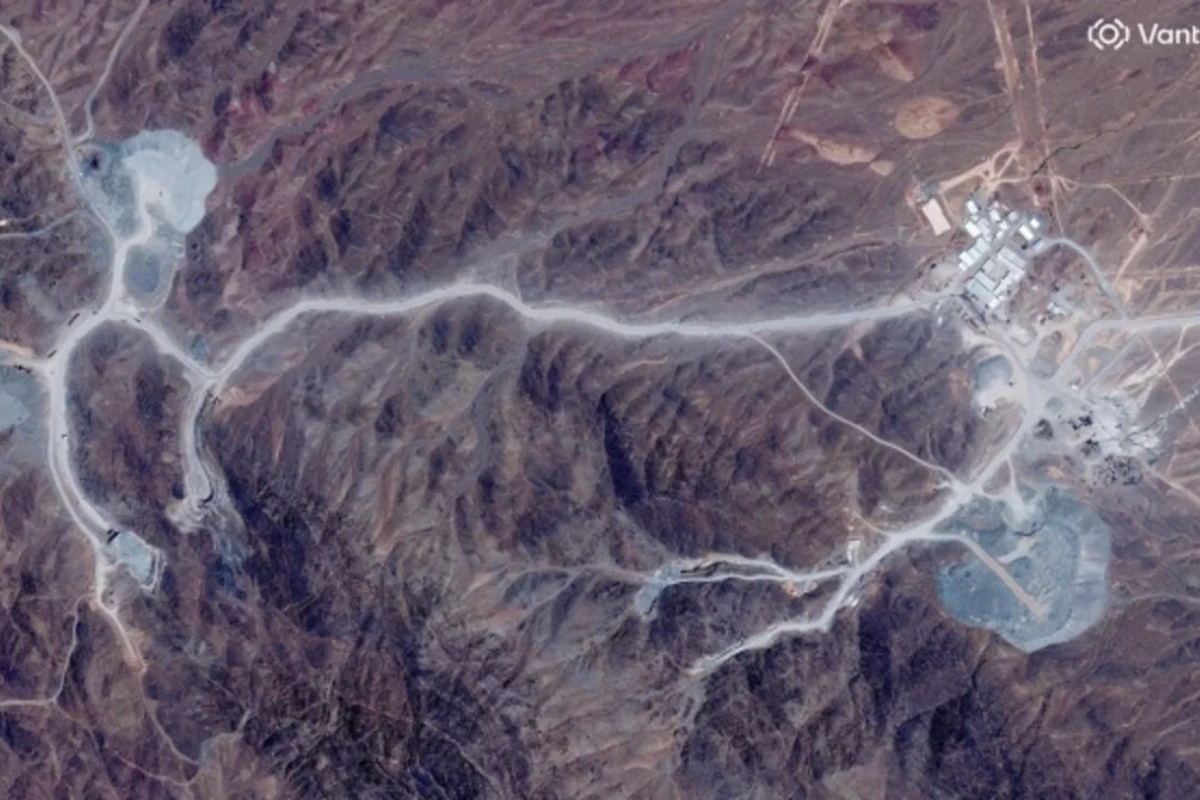
US strikes on three key nuclear facilities of Iran in 2025 and 2026 only slowed Tehran's program but did not stop it.
This is reported by The New York Times, citing officials and experts.
Iran has denied UN inspectors access to the most sensitive nuclear facilities, so the exact fate of the highly enriched uranium is unknown. According to the International Atomic Energy Agency (IAEA) estimate, Tehran may have retained approximately 440 kg of uranium enriched to 60%, most of which is believed to be stored near Isfahan. After additional enrichment, this amount would be sufficient for nine to ten nuclear bombs. American intelligence believes that Iran has retained access to the stockpile.
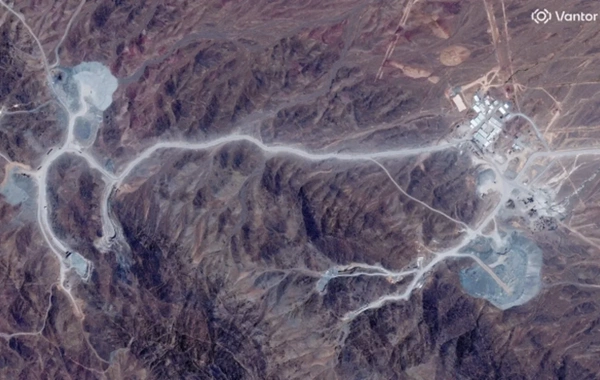
The strikes seriously damaged facilities at Natanz and Fordow, but the infrastructure was not completely destroyed. Near Natanz, Iran continued construction of an underground complex near Mount Pickaxe, intended for centrifuge production. Physicist and Iran expert James Acton suggested that without oversight, Tehran could build a nuclear bomb in less than a year.
In June 2025, the US struck nuclear facilities at Fordow, Natanz, and Isfahan. During a new conflict in the spring, American and Israeli forces again attacked Natanz. The IAEA reported damage to the entrance of an underground complex where Iran had been producing uranium enriched to up to 60%.
The key issue in Washington-Tehran negotiations is the fate of Iran's enriched uranium stockpile. In May, IAEA Director General Rafael Grossi spoke of approximately 440 kg of uranium enriched to 60%.
The US also demanded the elimination of sites at Fordow, Natanz, and Isfahan. In July, Donald Trump threatened a strike on the underground facility near Mount Pickaxe, and in early August stated that a peace deal must include the elimination of the nuclear threat from Iran.

Similar News
Turkey restricts the passage of commercial vessels into the Black Sea
Turkey is restricting the passage of commercial vessels into the Black Sea amid the country's government's growing concerns over the increasing attacks by Russi...