


 Azərbaycanca
  По-русски
  English
 About us
The mystery of the magnetic field on the Moon has been solved for the first time
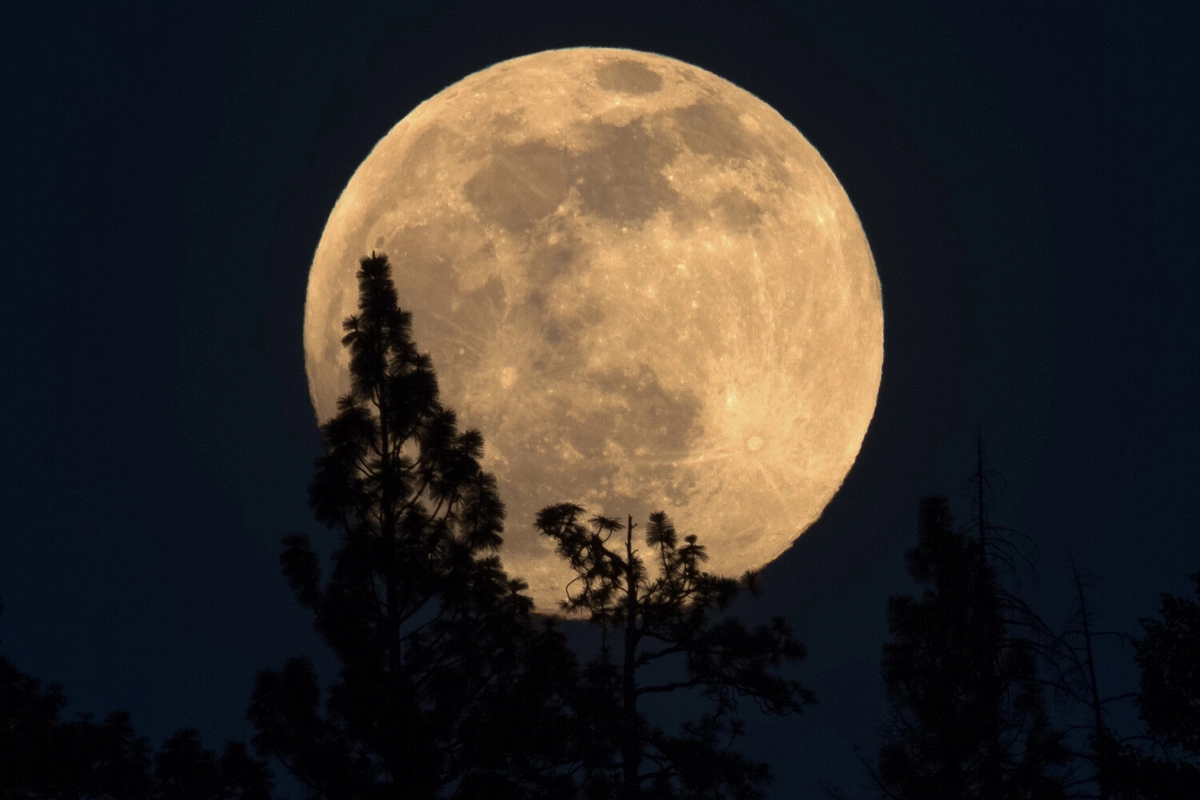
An international team of scientists has proposed an explanation for one of the long-standing mysteries of lunar geology: why some rocks brought to Earth by the Apollo missions indicate the existence of a powerful magnetic field on the Moon in the past. The study was published in the journal Nature Geoscience.
Today, the Moon's magnetic field is very weak and localized, unlike Earth's strong global field. However, lunar rock samples approximately 3.5 billion years old suggest that the satellite's magnetic field may have been significantly stronger in the past — sometimes comparable to the modern Earth's field. This has long puzzled scientists. The Moon is much smaller than Earth and does not possess the same internal processes and energy that sustain Earth's magnetic field.
Researchers from the University of Oxford suggested that the strong magnetic signals in lunar rocks are linked not to the prolonged existence of a powerful field, but to rare and short-lived bursts of magnetic activity.
The scientists reanalyzed so-called mare basalts — volcanic rocks formed in ancient lunar lava plains. They discovered a pattern: the most strongly magnetized samples contained elevated amounts of titanium.
The researchers then conducted computer simulations to determine how the formation processes of such rocks could have affected the Moon's magnetic field. The models showed that melting of titanium-rich rocks near the core-mantle boundary could have enhanced the heat flux from the core. This, in turn, temporarily activated or strengthened the dynamo process that generates the magnetic field.
At the same time, such processes led to eruptions of lava with high titanium content. It was precisely these rocks that were collected by the Apollo mission astronauts.
According to geologist John Wade, the results may have been skewed due to the limited set of samples. "If aliens came to Earth only six times and collected samples from just one type of terrain, they would have a similar data bias," he noted.
According to the new hypothesis, periods of a strong magnetic field on the Moon may have lasted only a few thousand years — a very short time compared to the age of the satellite.
The authors acknowledge that the model is based on a limited amount of data, as scientists have only a small number of lunar samples at their disposal. However, future missions may help test this hypothesis.
"We can now predict which types of rocks should preserve traces of different levels of the Moon's magnetic field," noted geophysicist Simon Stevenson. According to him, future missions of the Artemis program will provide an opportunity to collect new samples and better understand the history of the lunar magnetic field.

Similar News

Doctor warned about the insidiousness of lung diseases
Serious lung diseases can develop for a long time without cough or other obvious symptoms until the organ's function begins to significantly deteriorate. This w...