

 Azərbaycanca
  По-русски
  English
 About us
The hidden danger of popular disinfectants has been revealed
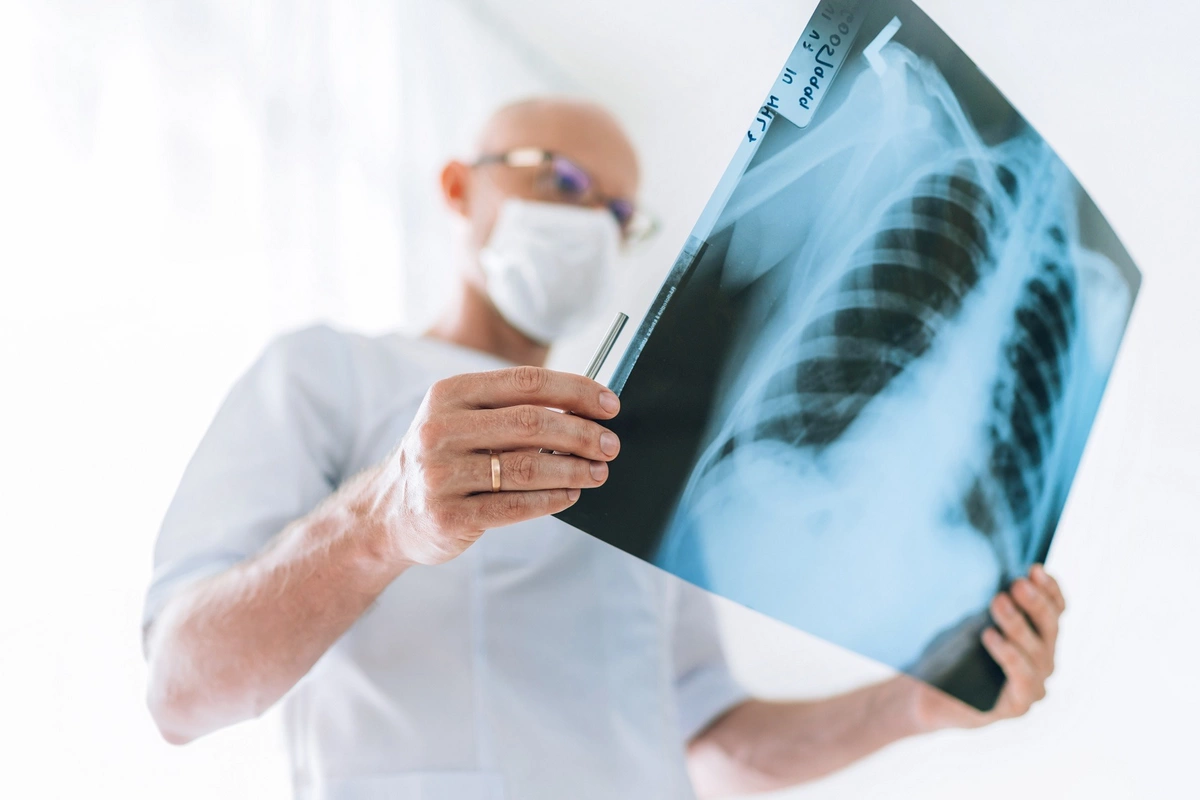
Disinfectant sprays widely used in homes, schools, and hospitals may damage the lungs when the aerosol is inhaled. This is the conclusion reached by scientists from the University of California, Davis, with the results of their study published in the journal Environmental Science & Technology.
In laboratory experiments, the researchers compared two routes of exposure to common disinfectants on the body - ingestion and inhalation. It turned out that when sprayed and inhaled, even significantly smaller doses caused more pronounced damage to lung tissue than when the same substances entered the body through the stomach.
According to the scientists, the primary risk is associated with a group of chemicals known as quaternary ammonium compounds (QACs). They are widely used in cleaning products and can also be found in herbicides, nasal sprays, mouthwashes, and fabric softeners.
These substances do not evaporate easily on their own, but when sprayed, they turn into microscopic droplets that are easily inhaled and can penetrate deep into the lungs. There, they come into direct contact with tissues designed for gas exchange, making the respiratory system particularly vulnerable.
In experiments on mice, one of the compounds - didecyldimethylammonium chloride - caused more severe lung damage than another common substance, benzalkonium chloride. The animals exhibited inflammation, edema, and destruction of alveoli, as well as increased mortality.
The researchers suggest that such substances may disrupt the function of mitochondria - cellular structures responsible for energy production. When cells lose energy, their protective barriers weaken, leading to inflammation and tissue damage.
Observational data on humans also raise concerns. In healthcare settings, exposure to such disinfectants has been linked to an increased risk of asthma, and studies among nurses have shown an association between frequent contact with cleaning products and the development of chronic obstructive pulmonary disease (COPD). However, the authors emphasize that they are not calling for the abandonment of disinfection.
Similar News

Heart disease unexpected risk factor discovered
Irregular sleep has been linked to an increased risk of heart disease. As reported by BAKU.WS with reference to foreign press, scientists have identified a conn...