


 Azərbaycanca
  По-русски
  English
 About us
Found the signal that triggers tooth regeneration in humans
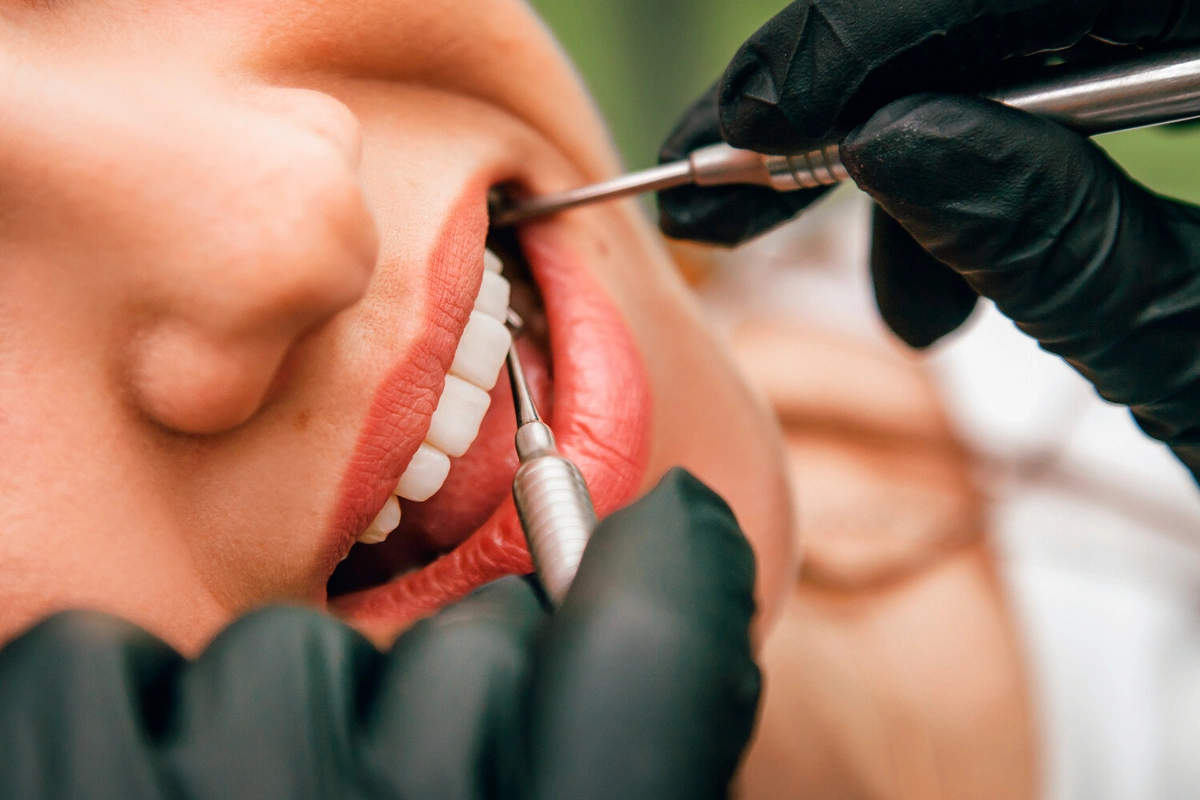
Scientists at the Stomatological Hospital of Sichuan University have discovered a molecular signal that helps trigger dental tissue repair. The protein in question is SMAD7, which activates the Wnt/β-catenin signaling pathway - one of the key mechanisms of regeneration. The results of the study have been published in the International Journal of Oral Science (IJOS).
Damage to the dental pulp - the soft tissue inside the tooth containing nerves and blood vessels - can occur due to trauma or deep cavities. In such cases, inflammation develops, the tissue can die, and the tooth loses its vitality. Even modern regenerative endodontic methods do not always reliably restore living tissue.
The researchers focused on the signaling pathways of pulp stem cells that regulate their division and differentiation into new dental tissue cells. The scientists paid particular attention to the protein SMAD7. Previously, it was considered primarily an inhibitor of signaling processes in the cell.
Experiments with human dental pulp stem cells revealed an unexpected role for this protein. It turned out that SMAD7 directly interacts with β-catenin in the cell nucleus and enhances the activity of the Wnt/β-catenin signaling pathway. This pathway activates genes responsible for stem cell division and their differentiation into cells involved in tissue repair.
At the same time, SMAD7 suppresses signals from another cellular pathway - TGF-β, which can limit β-catenin activity. As a result, β-catenin remains available in the cell nucleus and continues to stimulate regeneration processes.
According to the authors, the discovery shows that SMAD7 acts not only as a brake on signaling pathways but also as an active regulator of tissue repair. Understanding this mechanism may help develop new approaches to treating pulp damage.
In the future, targeting the interaction between SMAD7 and β-catenin could enhance the tooth's natural ability to repair itself. Furthermore, the results may prove useful in other areas of regenerative medicine, since the Wnt signaling pathway also plays an important role in bone tissue repair and craniofacial structure development.
Similar News
A non-obvious way to reduce the risk of developing diabetes has been named
Living at high altitude may reduce the risk of developing diabetes — a conclusion previously reached by epidemiological studies. New research by American scient...