


 Azərbaycanca
  По-русски
  English
 About us
A hidden backup system was accidentally discovered in the kidneys
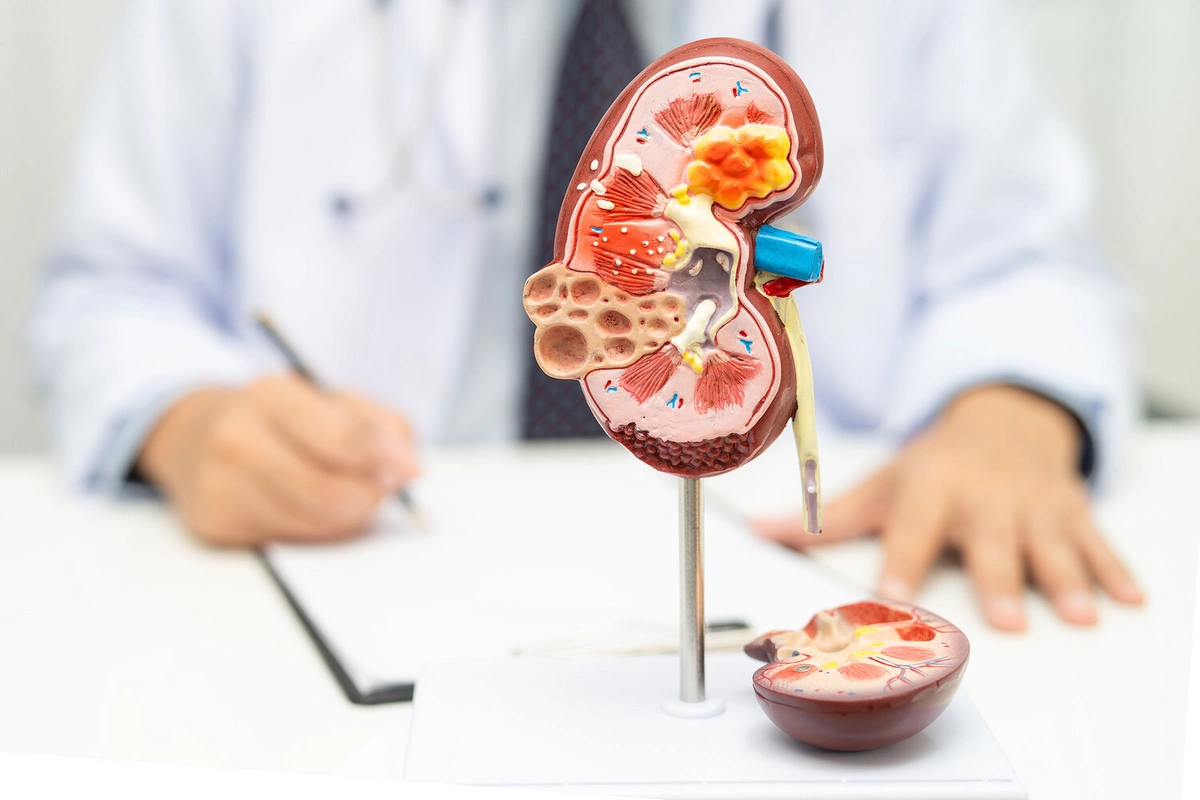
Nephrologists from the Mayo Clinic discovered a previously unknown way in which the kidneys regulate water balance. The discovery happened by accident: researchers were testing the old drug probenecid for polycystic kidney disease and obtained a result opposite to what was expected. The study was published in the Journal of Clinical Investigation (JCI).
For many decades, it was believed that the sole primary regulator of urine concentration was the hormone vasopressin. A new study led by nephrologist Fouad Chebib showed that the kidneys have another, vasopressin-independent pathway for retaining water.
At the core of this new pathway is uric acid (urates). Inside the cells of the collecting ducts, it triggers a signaling cascade that moves water channels to the cell surface, allowing the kidneys to reabsorb water without vasopressin involvement.
The discovery is important for patients with polycystic kidney disease. The only approved drug — tolvaptan — causes the production of 6–7 liters of urine per day. Adding probenecid reduces urine volume by approximately 30% while preserving the therapeutic effect.
"Probenecid helped us uncover the mechanism. Our goal is to develop therapies targeting specifically this new pathway," noted Dr. Chebib.


Similar News

A tea that helps lose weight has been named
Ginger tea enhances thermogenesis, meaning it helps the body expend more energy even at rest, which promotes weight loss, gastroenterologist Evgeny Belousov fro...