

 Azərbaycanca
  По-русски
  English
 About us
Priorities of Baku's Master Plan Have Been Announced
Climate change, rapid urbanization, social inclusiveness, mobility, housing affordability, sustainability, and the growing demand for healthier and more viable cities are the main challenges of our time.
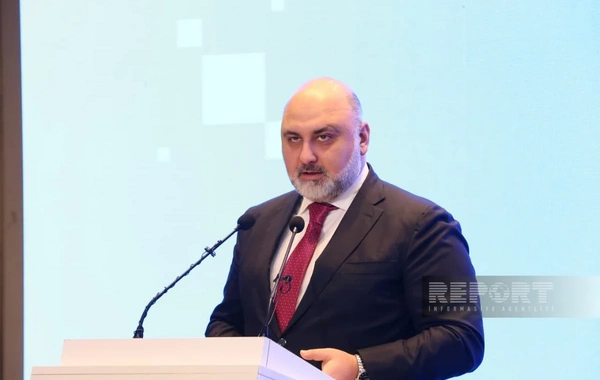
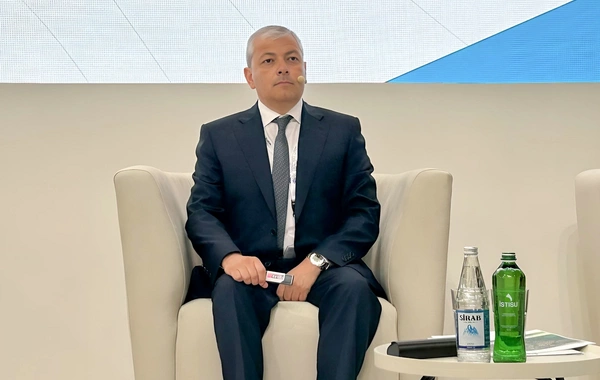
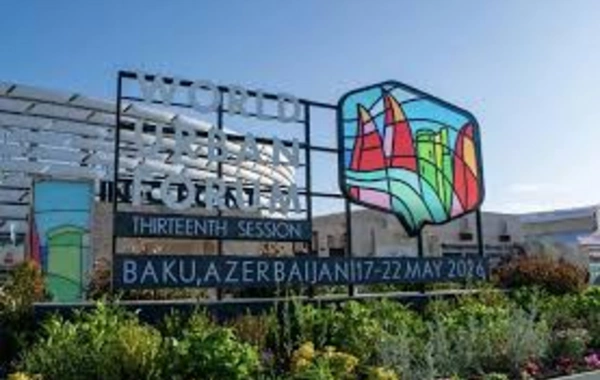
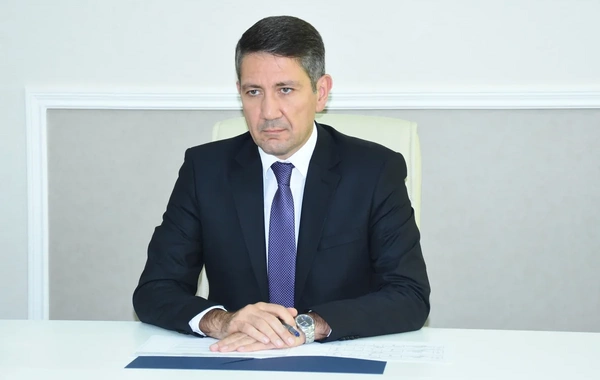
As reported by Oxu.Az, this was stated by Riad Gasimov, Head of the Main Department of Architecture and Urban Planning of the City of Baku under the State Committee for Urban Planning and Architecture. His speech took place within the framework of the 13th World Urban Forum (WUF13) at the event "Baku Master Plan 2040 - A New Stage of Development," held in the Azerbaijani pavilion.
According to Gasimov, modern cities face unprecedented pressure.
"According to the United Nations, by 2050 approximately 70% of the world's population will live in urban areas. This means that the decisions we make today regarding land use, infrastructure, mobility, public spaces, and environmental management will directly determine the lives of future generations.
This is precisely why modern urban planning can no longer be limited to traditional zoning and construction policy alone. It must transform into a human-centered, climate-oriented, comprehensive, and integrated process.
The "Baku Master Plan 2040" was developed based on precisely this understanding. For the first time in decades, our city will receive a long-term strategic planning framework designed to ensure a systemic and comfortable transformation.
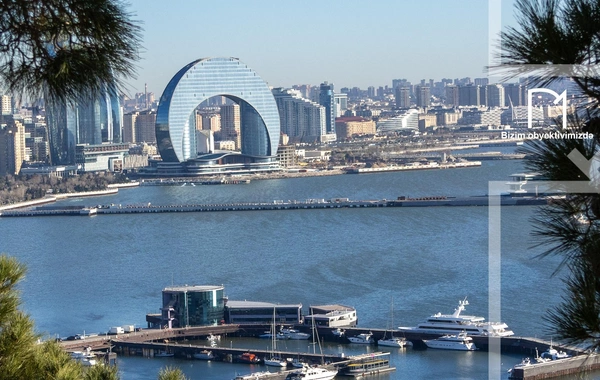
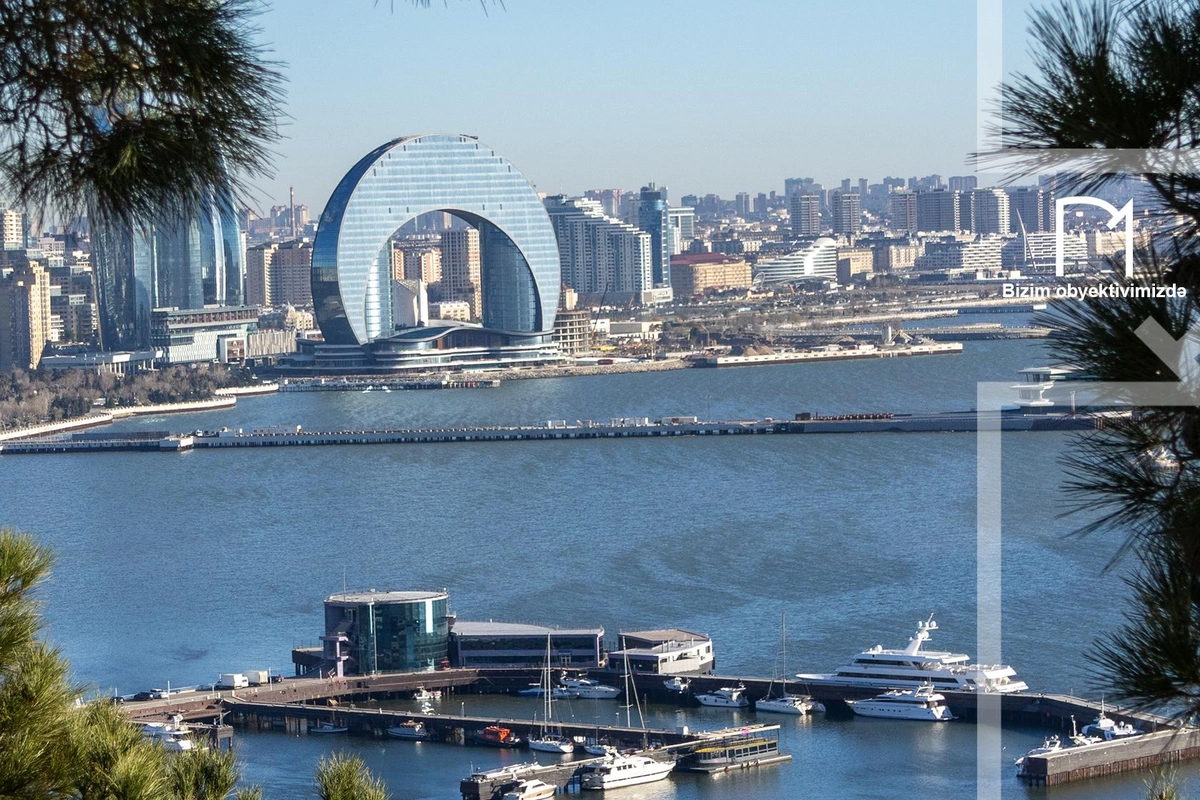
The master plan presents Baku not merely as a growing megacity, but as a greener, more inclusive, more sustainable, and globally competitive city.
The priorities of the master plan are clearly defined.
The first priority is improving the quality of life for urban residents. A successful city is measured not only by the height of its buildings or the scale of its infrastructure projects. It is assessed by how comfortable, healthy, safe, and accessible people's daily lives are. This is why the master plan pays special attention to the development of public spaces, including parks, pedestrian zones, social infrastructure, and accessible public services. Efforts in this direction will serve to integrate and implement the principles of a more livable city.
The second priority is environmental sustainability and climate resilience. Like many coastal cities around the world, Baku faces serious environmental and climate challenges. Therefore, the master plan incorporates the principles of green urbanization, energy efficiency, environmental restoration, and sustainable development. Special attention is given to increasing green areas, reducing environmental pressure, promoting renewable energy solutions, and improving air quality and urban ecology.
Through partnerships with international organizations such as the International Finance Corporation (IFC), Azerbaijan is also advancing the development of a national green building code aimed at introducing modern standards for sustainable construction and resource efficiency. These efforts make a direct contribution to achieving global climate goals and align with broader discussions within the UN system, including such major global events as COP29, held in Baku in 2024, and the upcoming COP30.
The third priority is integrated and efficient mobility. A modern city cannot function effectively without a well-coordinated and sustainable transportation system. The master plan prioritizes the development of public transportation, strengthening connectivity between different modes of transport, reducing traffic congestion, and ensuring better integration between residential, commercial, and recreational zones.
Our goal is not simply to improve travel options, but to create a more balanced urban structure in which people spend less time commuting and more time actually living.
The fourth priority is the preservation of historical and cultural identity. Baku is a city with a unique architectural and cultural heritage reflecting its centuries-old history and intercultural exchange. Preserving the historical appearance and urban identity of the city is one of the key objectives.
This is precisely why the master plan aims to create harmony between modern urban development and heritage protection, safeguarding historical architecture while simultaneously ensuring innovative and sustainable development," said Riad Gasimov.