

 Azərbaycanca
  По-русски
  English
 About us
Territory of Opportunities: How Azerbaijan is Restructuring its Economy Away from the Capital
Last year, the economy was restructuring under the influence of global challenges and internal reforms. Dependence on the oil and gas sector is gradually giving way to new growth drivers. At the same time, reducing the imbalance between the capital and other regions of the country remains an important problem, writes the newspaper "Caspian".
According to Azerbaijan's State Statistics Committee, the country's GDP grew by 1.6% in January-November 2025, with the non-oil sector's contribution increasing by more than 3% year-on-year, while the oil and gas sector reduced its added value.
This indicates that Azerbaijan's economy is becoming less dependent on hydrocarbons, and non-resource sectors such as industry, construction, services, and agro-industrial complex are acting as the engines of growth.
The growth in trade turnover, increase in retail sales, and investments in fixed assets (about 16.7 billion manats) also emphasize the sustainability of economic activity outside the oil sector.
Despite the moderate pace of economic growth overall, the strategy of diversification and regional development is specifically reflected in attracting investments to new industries: logistics, transport, renewable energy, agricultural processing, tourism.
Development of economic regions
The structure of Azerbaijan's economy as a whole is still characterized by significant concentration in the capital, but noticeable shifts are already observed in the regions. According to official data, about 77,700 new jobs were created in Azerbaijan during the first 9 months of last year, of which 9.1% were in newly established enterprises and organizations. This indicates that part of the employment growth is provided precisely by new productions, especially in regions and industrial and economic zones.
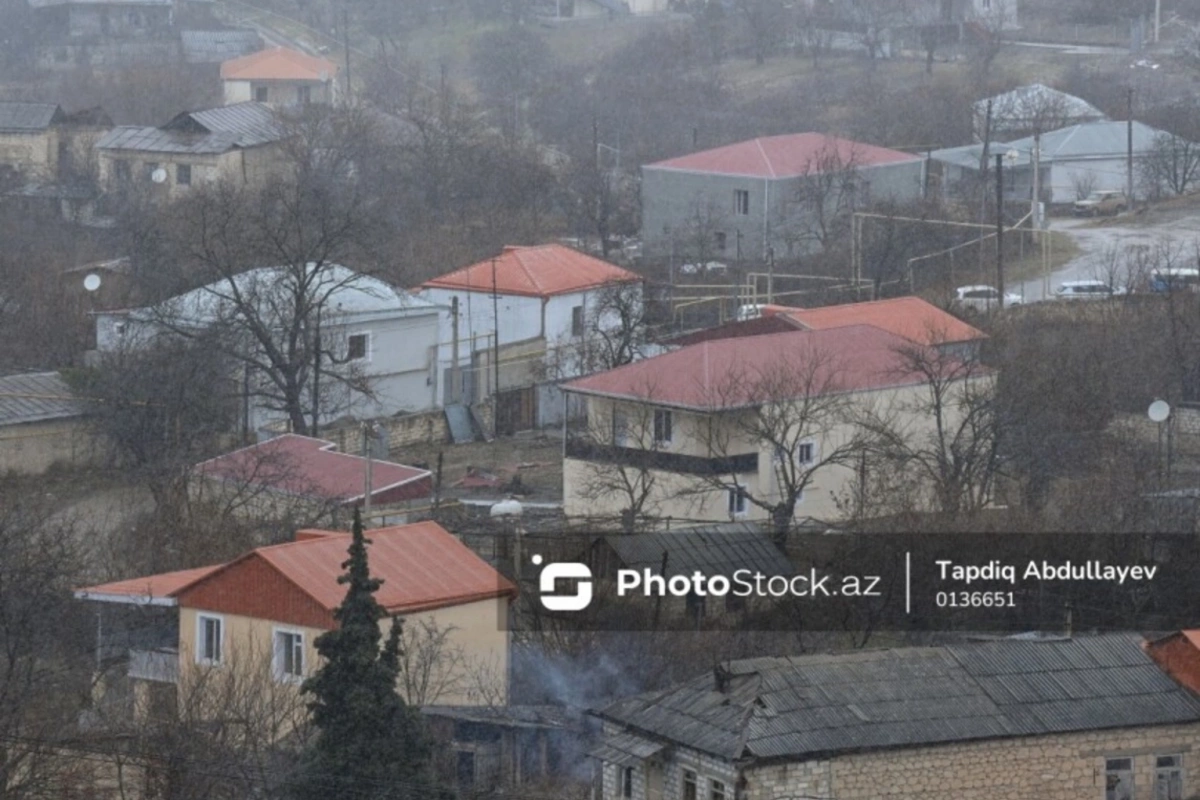
The Karabakh and East Zangezur economic regions are among the most dynamic examples. According to the State Statistics Committee, 2,560 new jobs were opened in the economic regions of Karabakh and East Zangezur during the first nine months of last year, which is 723 positions, or 39.3% more compared to the same period last year. During the period under review, 1,855 new jobs were created in Karabakh (an increase of 58.4%), and 705 in East Zangezur (5.9% more).
In the Khojaly region in 2025, new production facilities were introduced: a livestock complex, a brick factory with a capacity of 16.2 million units per year, and a furniture manufacturing enterprise. All this creates a base for industrial and agricultural growth outside of Baku.
In the Sheki-Zagatala economic zone, the Gabala region is developing the processing industry: dairy and bakery productions, nut processing, canneries - industries that form stable sources of income and employment.
In 2025, a construction chemicals production plant was opened in the Sumgayit Chemical Industrial Park, and the production of trucks and special equipment was established.
A new light industry facility appeared in the Ismayilli region, a building materials production enterprise in the Goranboy region, and tobacco products production was established in the Aghdam Industrial Park. An agrochemical products manufacturing enterprise was put into operation in the Sabirabad industrial quarter.
In Nakhchivan, 107 new manufacturing enterprises and service facilities were opened in the first nine months of last year. Among them were productions of bakery and flour products, furniture, building materials, beverages, and food products. These enterprises create additional jobs and strengthen the local economy of the region.
Drivers of regional growth
The agro-industrial complex acts as a

Similar News

Azerbaijan and Turkey will produce the SİVRİSİNEK UAV
Azerbaijan, jointly with Turkey, will produce an unmanned aerial vehicle (UAV) called SİVRİSİNEK. As reported by BAKU.WS, this was announced by Baykar's CEO Hal...