

 Azərbaycanca
  По-русски
  English
 About us
The UN announces the onset of the era of water bankruptcy
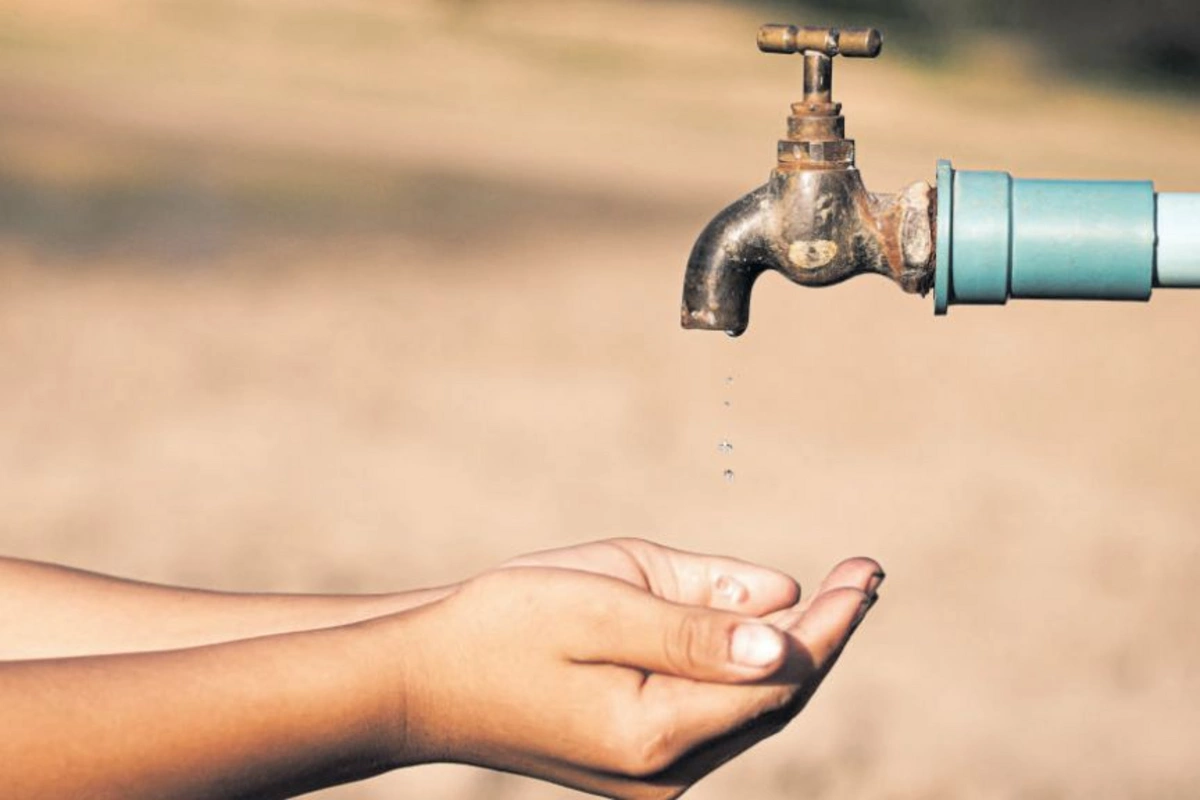
The UN has declared a period of "water bankruptcy" in the world, where degradation of certain water resources becomes permanent and irreversible. According to new analysis, half of the 100 largest cities on the planet are already facing water shortages, and 39 of them are located in regions with extremely high levels of water deficit.
As reported by BAKU.WS with reference to data published as part of a study by Watershed Investigations organization and the Guardian, megacities such as New York, Los Angeles, Rio de Janeiro, and Delhi have fallen into the high-risk zone. They are classified as cities with extreme water stress, while London, Bangkok, and Jakarta are classified as cities with high stress.
Experts note that water scarcity does not mean complete exhaustion of resources for the population and industry. The main problem remains ineffective management of water resources at the local level.
Analysis of satellite data conducted by scientists at University College London using NASA information showed that over the past two decades, the world has seen both a tendency toward drying out in certain regions and toward excessive moisture in others. In particular, severe drying has been recorded in Chennai, Tehran, and Zhengzhou, while Tokyo, Lagos, and Kampala, on the contrary, are becoming wetter.
All 100 cities and forecasts for them are presented in a new interactive atlas of water security, the publication notes.
Meanwhile, more than one billion people live in large megacities located in regions where severe drought has become long-term in nature. At the same time, only about 96 million people live in waterlogged cities and their surrounding areas.
It is noted that cities such as Cape Town and Chennai have already come close to the so-called "zero day," and many of the world's fastest-growing megacities are located in arid zones and may face acute water shortages in the near future. In Tehran, according to experts, the possibility of relocating the capital is even being discussed.
The World Bank is also sounding the alarm. According to its researchers' estimates, over the past 20 years, global freshwater reserves have decreased so much that annual losses amount to about 324 billion cubic meters - this volume would be enough to meet the annual water needs of 280 million people.

Similar News

Media: Iran has not terminated dialogue with the US, but merely suspended it
Iranian authorities have notified Pakistan, which serves as a mediator in contacts between Tehran and Washington, that Iran has not ceased communication with U....