


 Azərbaycanca
  По-русски
  English
 About us
Einstein's brain revealed the reasons for his genius
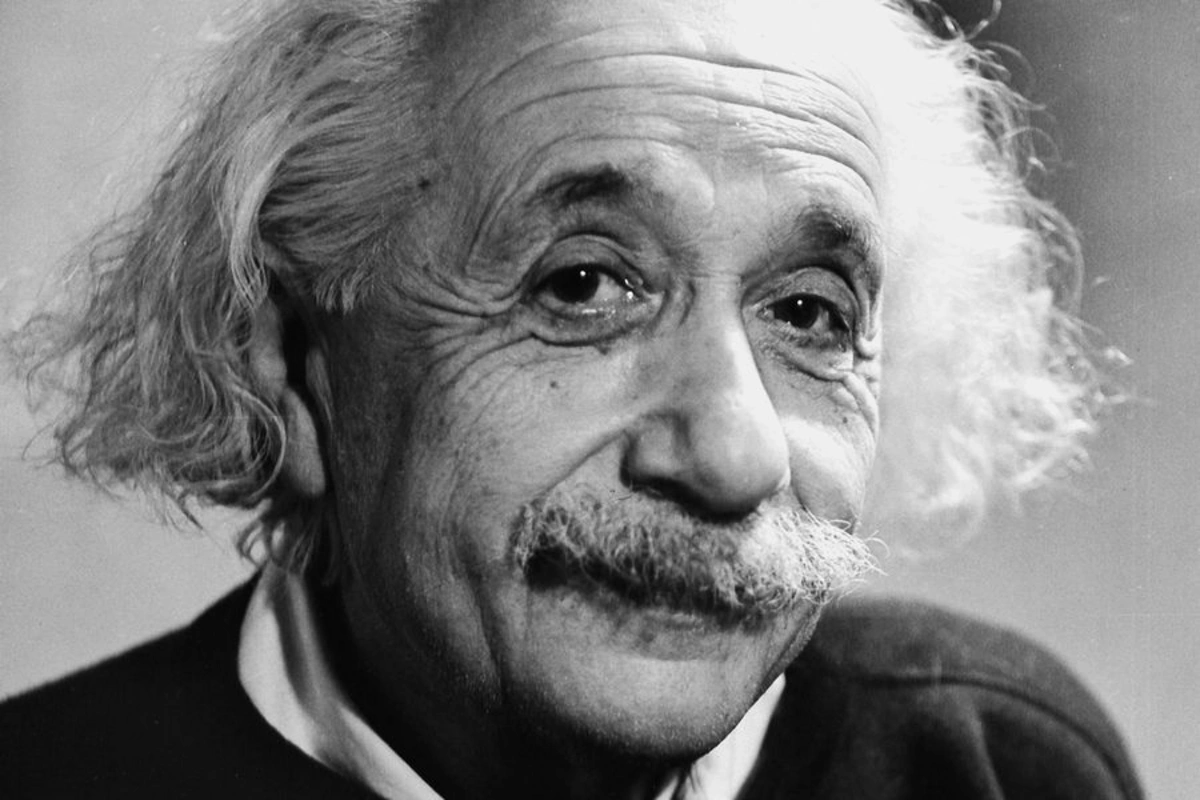
For decades, scientists have been trying to unravel whether the secret of Albert Einstein's genius was hidden in the peculiarities of his brain. Modern research shows that, despite its normal size, the organ had a number of unusual features related to thinking and information processing.
As reported by BAKU.WS with reference to PsyPost, after Albert Einstein's death in 1955, pathologist Thomas Harvey removed his brain for scientific purposes, but serious research did not begin until years later.
One of the first significant discoveries was the work of neuroscientist Marian Diamond (1985): an elevated number of glial cells was found in the parietal lobe, which may indicate more active neuron function.
Later, Sandra Witelson's team established that the scientist's parietal lobes were approximately 15% wider than normal, and the structure of the Sylvian fissure was different, likely improving connections between areas responsible for mathematics and spatial reasoning.
Anthropologist Dean Falk identified features of the motor cortex characteristic of musicians — it is known that Einstein played the violin, which confirms the influence of experience on the brain.
In 2013, the journal Brain reported a thicker corpus callosum, which may indicate enhanced communication between the hemispheres. Additionally, neurologist Frederick Lepore discovered a rare gyrus in the frontal lobe, associated with planning and complex thinking.
Despite these peculiarities, scientists emphasize that it is impossible to directly explain genius through anatomy. However, the combination of differences may have created a biological foundation for the scientist's unique thinking.

Similar News

The U.S. struck Iranian missile sites and boats in the Strait of Hormuz area
The United States Armed Forces fired 10-11 missiles at Iran's Qeshm Island. As reported by BAKU.WS, this was announced by the island's governor Hossein Amir Tey...