


 Azərbaycanca
 По-русски
 English

 About us
Why are watermelons sometimes so sweet that they "burn" the throat? Scientists explained the phenomenon
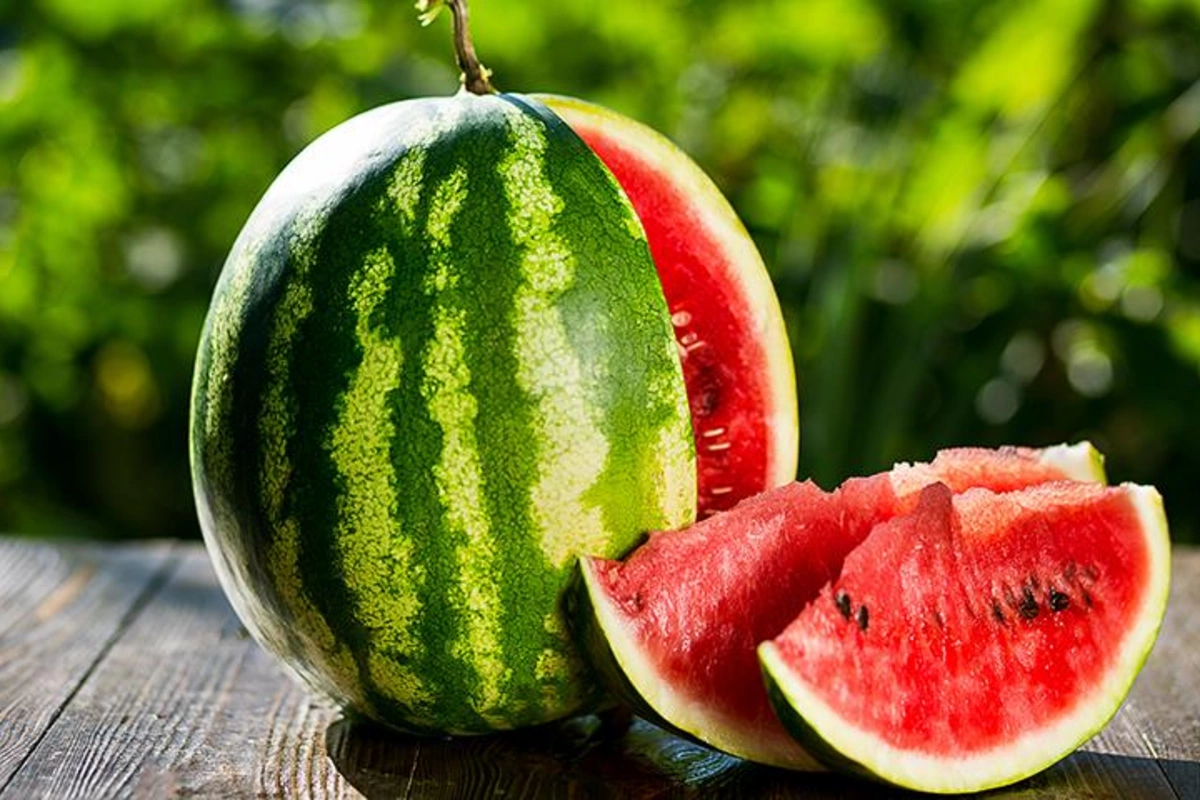
Summer is in full swing, and with it comes the watermelon season. However, many fans of this juicy berry notice: sometimes watermelons are so sweet that they literally "burn" the throat when eating. What's behind this unusual sensation - a sign of good taste or a cause for concern?
According to agronomists and nutrition specialists, the cause of the "burning" sweetness can be both the natural concentration of sugars and the influence of growing conditions. Watermelons accumulate fructose and glucose depending on sunlight, temperature, and amount of water. In hot, dry weather, the plant loses less moisture, and sugars in the fruits become more concentrated - hence the sharp, almost cloying taste.
However, it's not always just about sugars. According to experts, the "burning" sensation may be associated with increased content of certain organic acids or even nitrates. The latter are used in intensive agriculture to accelerate fruit growth, and when exceeding the norm, they can not only cause unpleasant sensations but also harm health.
Individual sensitivity should also be taken into account. Some people may experience throat irritation as a reaction to natural compounds in watermelon, especially when consuming large amounts of pulp at once.
To choose a safe and tasty watermelon, experts advise paying attention to the smell, sound when tapping, uniformity of color, and absence of cracks. And most importantly - don't overindulge: even the juiciest watermelon cannot replace a balanced diet and moderation.


Similar News

A protein has been found that causes fatty food to harm the brain
Fatty food harms more than just the figure: in mice, it reduces levels of the protein PQBP1 in the brain cortex, disrupting connections between neurons and impa...