


 Azərbaycanca
  По-русски
  English
 About us
Barberry compound slowed vascular cell aging
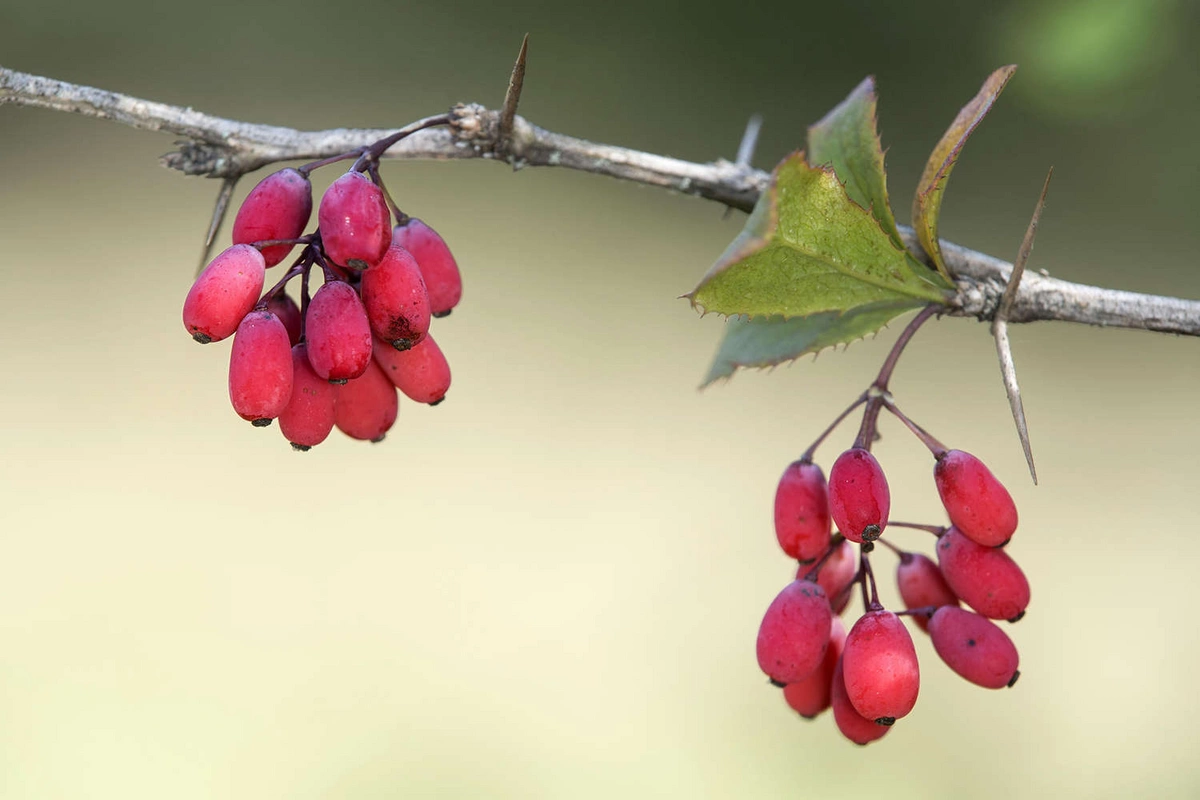
Berberine - a plant compound found in barberry - can prevent the death of endothelial cells lining blood vessels. This conclusion was reached by scientists from the Southwest Medical University in Luzhou (China). The research results are published in the journal Phytotherapy Research (PhytoRes).
Previous studies have already shown that berberine improves the cardiovascular system, lowers blood pressure, and reduces vascular dysfunction. However, the mechanisms of this effect remained unclear. The new research for the first time explains in detail how exactly this compound protects vascular cells.
Scientists focused on the signaling pathway of the EIF2AK2 kinase (also known as protein kinase R, PKR), which regulates aging and destruction of endothelial cells. Experiments showed that the substance methylglyoxal enhances cell aging and death by activating EIF2AK2. Berberine prevents this process by blocking the dimerization (coupling of molecules) of EIF2AK2.
It was also found that berberine protects vascular cells by influencing the process of the eIF2α protein. This protein helps cells synthesize new proteins - essentially controlling the "launch" of the cellular assembly line. When the protein undergoes chemical modification (phosphorylation), the assembly line stops, cells age and die. Berberine prevents such modification.
"Our results confirm that berberine can protect blood vessels and has significant therapeutic potential in the fight against cardiovascular diseases. The impact on the EIF2AK2 molecule can also serve as a basis for the development of new medications," notes the research team.
Similar News

Heart disease's underestimated risk factor identified
Sleep disorders may be a far more dangerous risk factor for the heart than previously believed and require the same level of attention as blood pressure or chol...