

 Azərbaycanca
  По-русски
  English
 About us
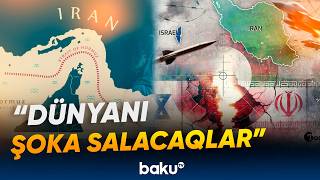
# Iran's Sensational Revenge Plan: How Could Events Affect Neighboring Countries?
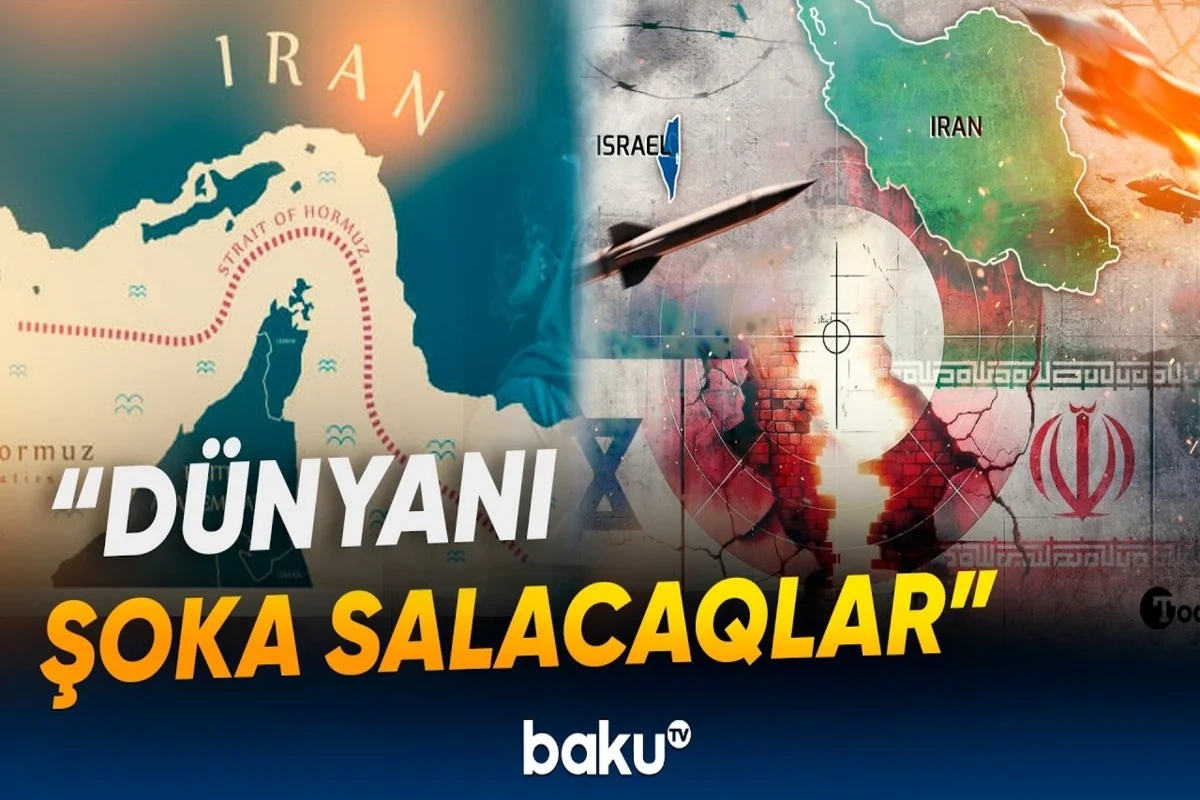
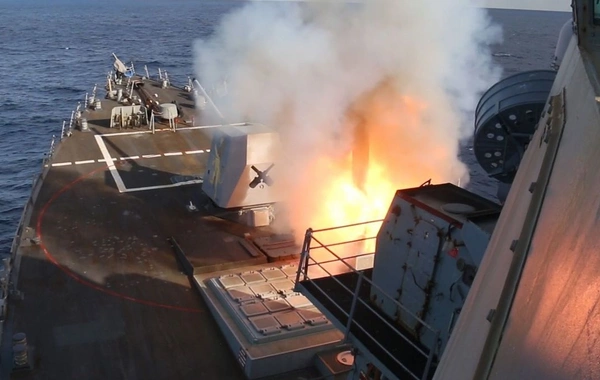
We hope that the military operations will be concluded in the shortest possible time, after which vessels will again be able to safely pass through the Strait of Hormuz, said German Chancellor Friedrich Merz.
As reported by BAKU.WS, this was stated in a video material by Baku TV.
It is noted that this is only a small fraction of the concerns associated with the Strait of Hormuz. According to information from the U.S. Energy Information Administration, approximately one quarter of the world's oil and petroleum product supplies pass through this sea route, and roughly one fifth of the global trade in liquefied natural gas (LNG), which is primarily exported from Qatar, is also conducted through it.
According to available data, 84% of oil and petroleum products transported through the strait, as well as 83% of LNG, are destined for Asian countries - primarily China, India, Japan, and South Korea. At the same time, Iran exports 90-99% of its oil through the Strait of Hormuz. The oil and gas sector accounts for approximately 25% of the country's gross domestic product and 45% of its state budget revenues.
Thus, if the ongoing military operations create problems in the Strait of Hormuz, this, in addition to other countries, also damages Tehran itself. Despite this, Iran is striking Persian Gulf states, which has a negative impact on the key maritime route in the region.
According to Ali Vaez, director of the International Crisis Group's Iran Project, Iran's strategy is to put pressure on Persian Gulf states, where U.S. President Donald Trump has economic interests, in order to hinder energy exports from the region.
"By doing so, raising global energy prices and plunging the global economy into shock, Iran wants to create an inflationary effect in the United States. This factor will make Trump think twice about continuing the conflict in the long term," he added.
In turn, Alex Vatanka, a fellow at the Iran program of the Middle East Institute, noted that Persian Gulf states are particularly concerned about internal instability in Iran.
"Iran is a country with a population of about 92 million people. For comparison, the population of Qatar is approximately 2.5 million people. That is comparable to the population of one neighborhood in Tehran. Imagine a civil war in Iran. Think about the flow of migrants and refugees who could leave the country. Then it becomes clear what this means for peaceful societies. That is why they fear instability emanating from Iran," he emphasized.
Similar News

Pezeshkian Revealed Iran's Goals: Are the US Counting on Baku in the Middle Eastern Plan?
Another episode of the program Bizdən nə danışırlar? ("What are they saying about us?") aired on Baku TV. The program notes that Iranian President Masoud Pezesh...