

 Azərbaycanca
  По-русски
  English
 About us
Doctors explained how to recognize the deadly Nipah virus in time
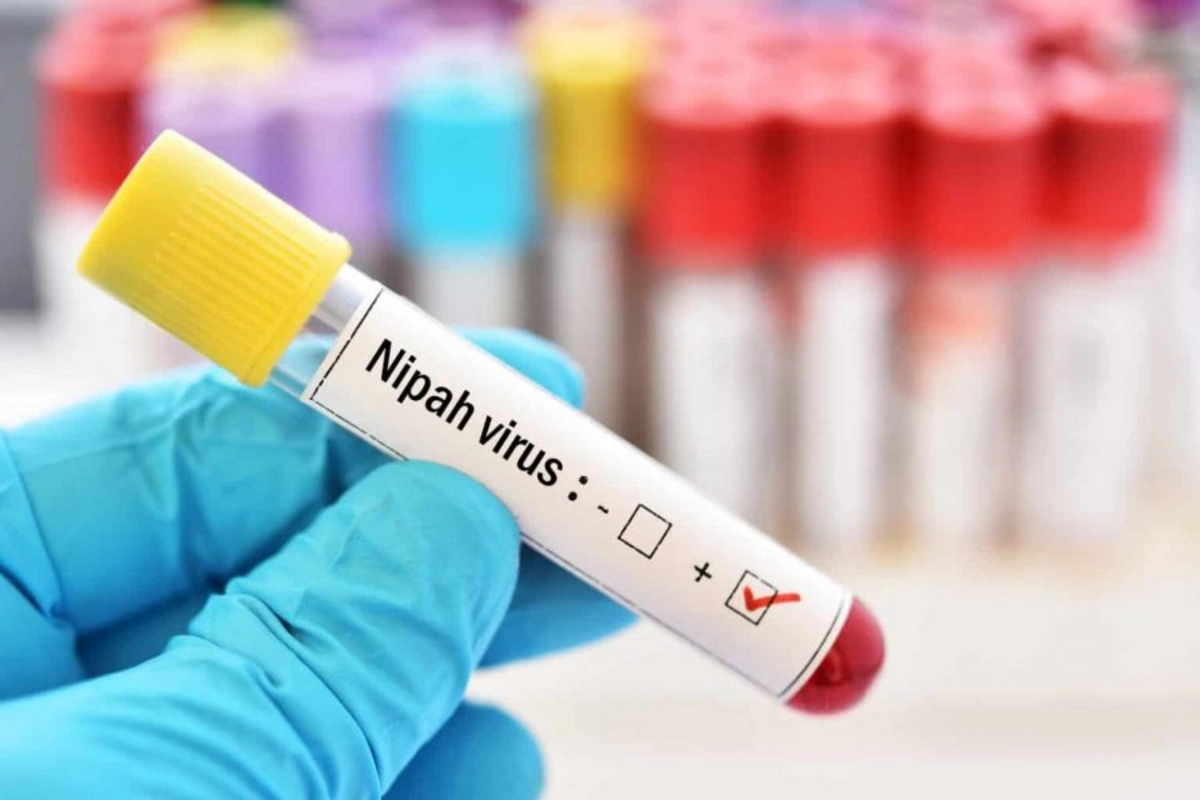
The incubation period of the Nipah virus can reach 45 days, which means that a person infected, for example, in India, can return to their homeland and face the disease at home. Russian therapist Nadezhda Chernyshova warned about this.
As reported by BAKU.WS with reference to "Moscow 24", the virus was named after the river in the area where it was first detected. Its natural carriers are bats, as well as farm animals infected by them, primarily pigs. In this regard, pig farm workers and residents of rural areas in Southeast Asia are at increased risk.
According to the specialist, the Nipah virus is classified as a particularly dangerous infection due to the high percentage of severe complications and fatalities. At the same time, some infected individuals may experience the disease asymptomatically or in a mild form.
The initial symptoms of the infection are non-specific and resemble flu or ARVI: fever, weakness, headache. This significantly complicates early diagnosis, especially considering the virus's ability to transmit from person to person. Chernyshova emphasized that if Nipah is suspected, it is extremely important to inform the doctor about recent trips to endemic regions in order to conduct targeted studies in a timely manner.
The virus affects the respiratory and central nervous systems, causing encephalitis. According to the medical expert, approximately 20% of recovered patients continue to have neurological complications, including chronic headaches, impaired consciousness, deteriorating vision, muscle weakness, and seizures.
Immunologist Nikolai Kryuchkov noted that the Nipah virus is difficult to diagnose, has high mortality, and potentially could be more dangerous than the Marburg and Ebola viruses. He reminded that the disease is zoonotic and is transmitted from animals to humans through contact with bats or pigs, through food and drinks contaminated with their secretions, as well as from person to person through close contact.
In the early stages, the symptoms of the disease coincide with the manifestations of common ARVI, which further complicates the timely detection of infection. As the disease progresses, the brain and respiratory system are affected, with possible epileptic seizures, mental changes, speech and motor function disorders, paralysis, vision problems, and convulsions.

Similar News

The tragedy that shook an Azerbaijani family in Ukraine: a police major killed in a drone strike
Pavlohrad, located in Ukraine's Dnipropetrovsk Oblast, is regularly subjected to airstrikes and drone attacks by the Russian military. As reported by Baku TV,...