

 Azərbaycanca
  По-русски
  English
 About us
# Bats have once again become a deadly threat: Asia is alarmed by the Nipah virus
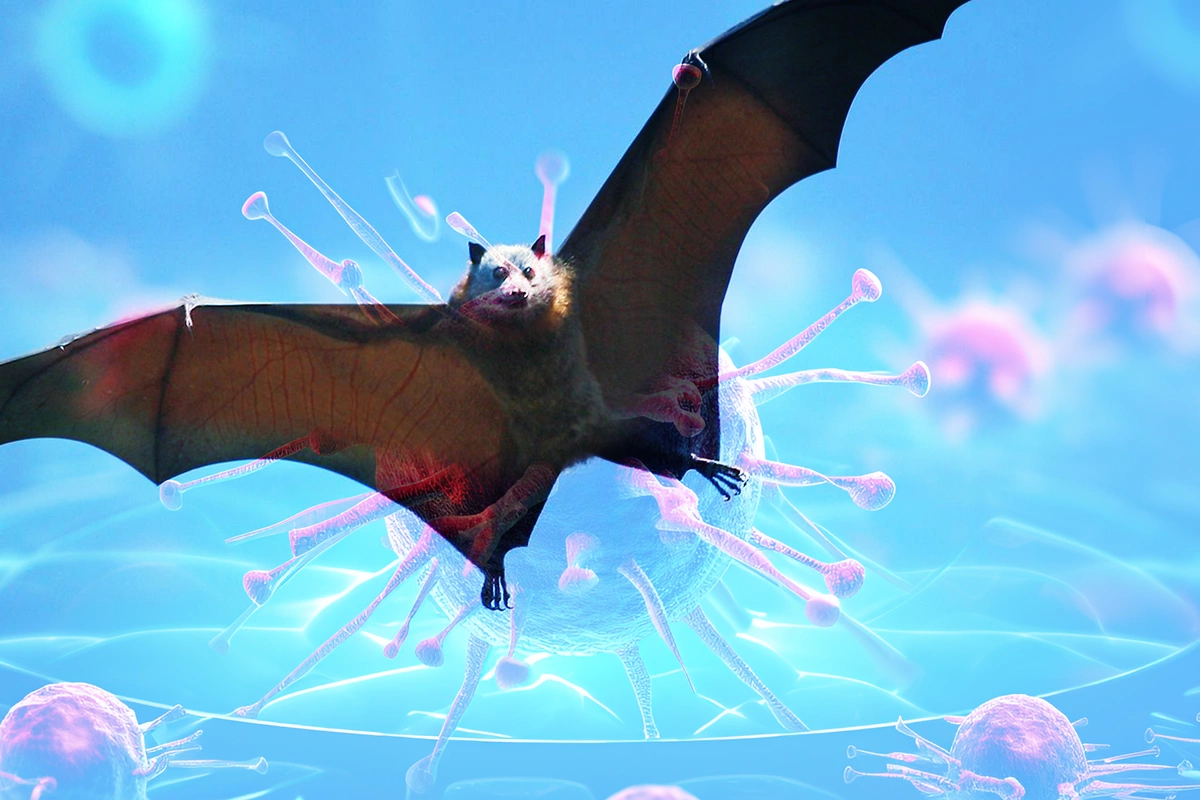
A new outbreak of the deadly Nipah virus in India, which has claimed the lives of several people, has forced a number of Asian countries to strengthen sanitary controls and put healthcare systems on high alert. Despite the high fatality rate of the infection and severe neurological complications, international experts consider the risk of a global pandemic comparable to COVID-19 to be low.
As reported by BAKU.WS citing foreign media, cases of Nipah virus infection have been recorded in the Indian state of West Bengal. In response to reports of deaths, authorities in Thailand, Malaysia, and Singapore have introduced additional screening and testing measures for arriving passengers. According to the World Health Organization, the mortality rate from this zoonotic virus, whose natural reservoir is fruit bats, can reach 40-75 percent.
The Nipah virus was first identified in 1998 during a major outbreak in Malaysia, where the source of infection was pigs that had contact with infected bats. Experts identify three main transmission routes: direct contact with biological fluids of infected animals, consumption of contaminated food products (particularly raw date palm juice), as well as human-to-human transmission through close contact, including in medical facilities. The latter mechanism is considered the least efficient.
The incubation period of the disease ranges from four days to three weeks, after which the illness develops rapidly. The first symptoms resemble the flu - high fever, headache, muscle weakness. However, the greatest danger is posed by severe neurological complications. The virus can cause encephalitis, leading to seizures, coma, disorientation, and dramatic mental changes. In some cases, survivors may experience delayed relapses of brain inflammation years later.
To date, there are no approved vaccines or specific treatment for the Nipah virus, which significantly complicates outbreak control. Medical care is limited to supportive therapy. At the same time, scientists note the promise of the experimental monoclonal antibody m102.4, being developed in Australia. The drug has successfully completed early safety trial stages, but its widespread use is still far off.
Despite the high mortality rate and lack of specific treatment, specialists emphasize that the Nipah virus does not have high contagiousness. Its spread, as a rule, remains local and is associated with certain dietary habits or occupational contact with animals. This is precisely why the probability of a global pandemic is assessed as minimal, and the risk to residents of countries not belonging to endemic regions is considered low.
Similar News

Man died during hair transplant
In Vladivostok, a 31-year-old man died during a hair transplant procedure at a private clinic. According to relatives, the cause of death was anaphylactic shock...