


 Azərbaycanca
  По-русски
  English
 About us
People have started sleeping 56 fewer hours per year, scientists have found
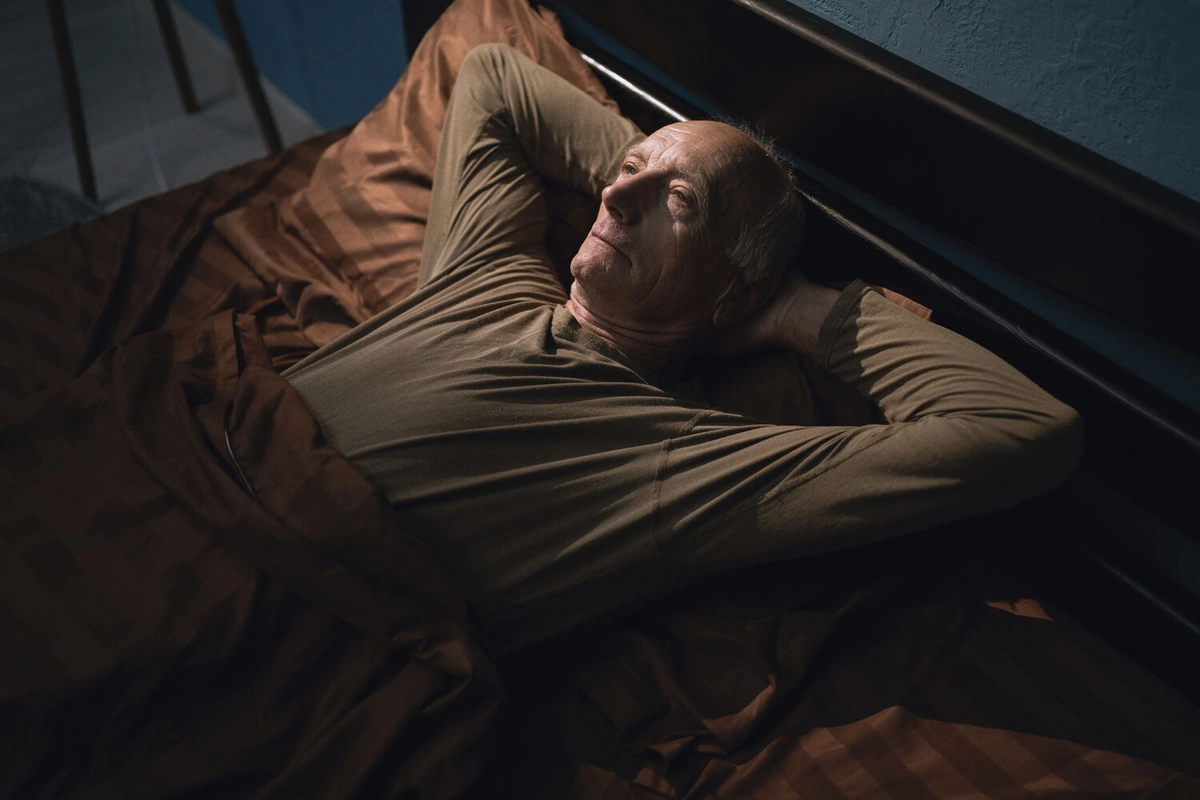
Climate change is causing people around the world to lose an average of about 56 hours of sleep per year due to hotter nights. This is the conclusion reached by specialists at the American organization Climate Central, who analyzed the impact of nighttime temperatures on sleep quality from 2020 to 2025. The results were reported by Bloomberg.
The researchers calculated that more than six hours of these losses — roughly one sleepless night per year — are directly linked to human-caused global warming. This is the first study to quantitatively estimate the duration of lost sleep based on nighttime temperature data and its effects on the body.
The authors analyzed the situation in 1,338 cities worldwide. It turned out that in 1,335 of them, sleep losses associated with climate change had at least doubled compared to the early 1970s. In 840 cities, this figure had more than tripled.
High nighttime temperatures have the strongest impact on residents of the Middle East. In cities in Saudi Arabia, Oman, and the United Arab Emirates, people lose between 55 and 87 hours of sleep per year, with 12 to 16 of those hours specifically attributed to climate change.
In India and Southeast Asian countries, annual losses reach 78 to 91 hours, of which 8 to 9 hours are due to global warming. In West African countries, this figure exceeds 65 hours per year, with about 10 to 11 hours also attributed to climate changes.
In the United States, residents lose an average of about 36 hours of sleep per year due to hot nights. Researchers attribute approximately four hours of this time to climate change. This effect is most noticeable in the states of Arizona, California, Florida, and Nevada.
According to the study's authors, rising nighttime temperatures are dangerous because the body recovers less effectively during sleep. While people can partially compensate for daytime heat with air conditioning or changes in activity patterns, warm nights significantly reduce the quality of rest and can negatively affect health.


Similar News

A simple way to save blood vessels from destruction during sedentary work has been named
Researchers from Tianjin University of Sport and their colleagues have found that prolonged sitting destroys blood vessels. The scientists discovered that short...