Azərbaycanca
 По-русски
 English

 About us
Doctor named an effective product for lowering "bad" cholesterol levels
Be the first to know
A nutritionist named a product that helps lower "bad" cholesterol.
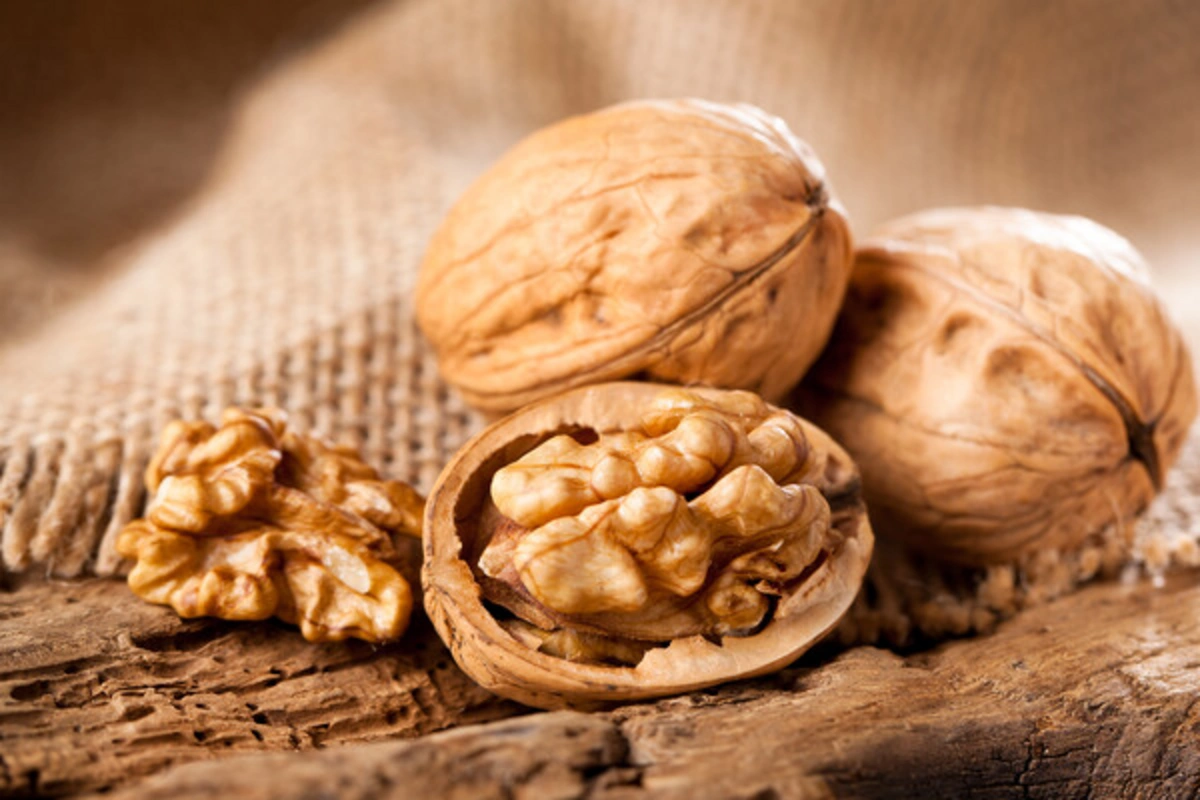
As reported by BAKU.WS citing the Daily Mail, regular consumption of walnuts can help reduce total cholesterol and low-density lipoprotein (LDL) levels, which are considered the main factor in the formation of vascular plaques.
According to nutritionist Jen Walpool, the benefits of this product are backed by scientific research. A study published in the journal Circulation showed that including walnuts in the daily diet helps adults lower their cholesterol levels.
The expert also highlighted the results of the WAHA (Walnuts and Healthy Aging) project, where elderly participants showed improvement in their lipid profile with regular nut consumption. Additional data published in The American Journal of Clinical Nutrition confirmed a sustained reduction in LDL levels.
Walpool explained that the main effect is linked to the product's composition: walnuts are rich in unsaturated fats, fiber, and protein. Omega-3 fatty acids, including alpha-linolenic acid, play a particularly important role, as they help reduce inflammatory processes and support cardiovascular health.
According to the specialist's assessment, just one handful of nuts per day is enough to lower "bad" cholesterol levels by approximately 7%. In addition, the product contains vitamin E, magnesium, and polyphenols, which help reduce oxidative stress — a condition in which an excess of free radicals begins to damage cells, proteins, and DNA, accelerating aging and increasing the risk of various diseases.
At the same time, the expert emphasized the importance of moderation: one serving (about 28 grams) contains up to 200 kilocalories and a significant amount of fat. Excessive nut consumption can cause digestive problems, and people taking blood-thinning medications should include them in their diet with caution.


Similar News

Scientists discovered that childhood stress programs the brain for anxiety for life
Early childhood stress alters DNA packaging in the brain, making a person more vulnerable to adversity. By reproducing these molecular changes in young mice, re...