


 Azərbaycanca
  По-русски
  English
 About us
An unexpected "harbinger" of death for elderly people has been identified
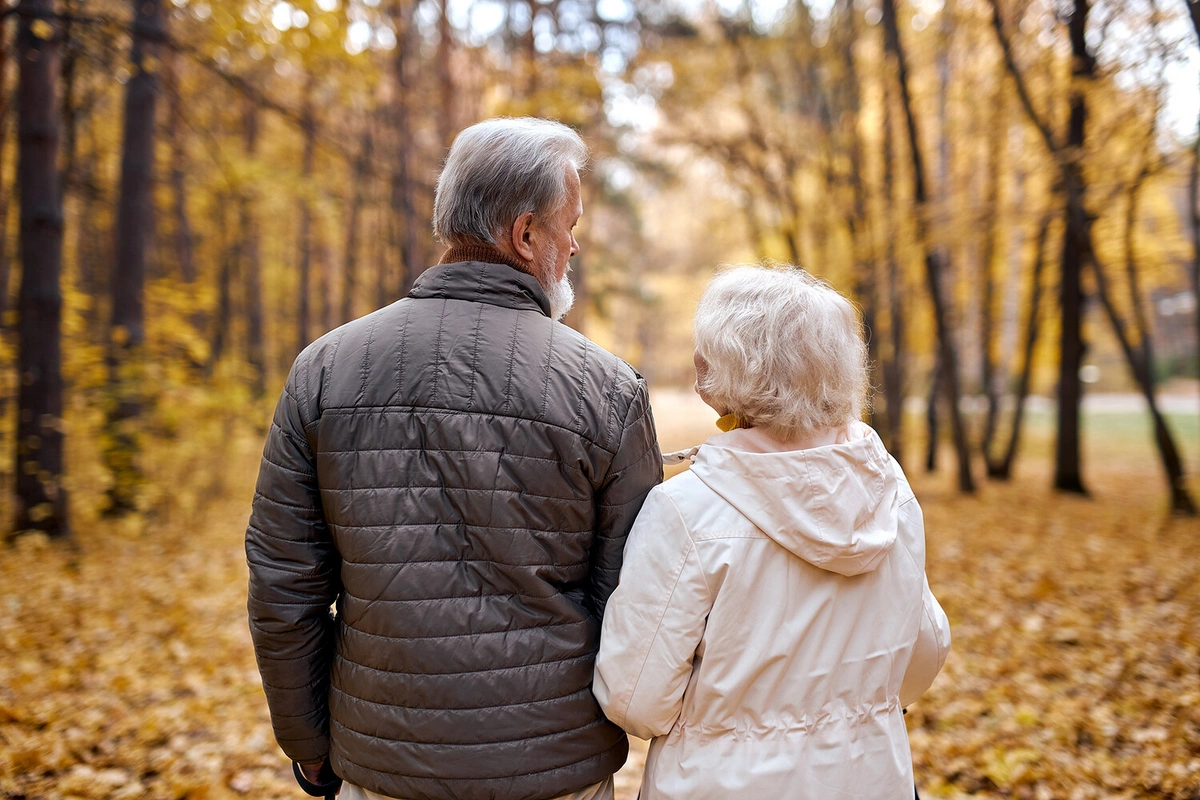
Regular physical exercise, proper nutrition, and active social interaction can slow the progression of age-related frailty and even reverse the process. This is the conclusion reached by researchers from the University of Limerick in Ireland.
This was reported by The Conversation.
Frailty is considered one of the most serious risk factors for older adults. It is associated with an increased likelihood of hospitalization, disability, loss of independence, and death. At the same time, as scientists note, a person's condition is determined not so much by age as by the body's reserve of physiological resources.
In people with frailty, this reserve is diminished, so even a minor event — such as a cold, a change in medication regimen, or a few days of bed rest — can lead to a sharp decline in health. Meanwhile, their peers without signs of frailty are able to recover quickly even after more serious illnesses.
Experts emphasize that frailty should not be considered an irreversible condition. An analysis of data from more than 42,000 older adults showed that over nearly four years of observation, about 14% of participants improved their condition, while almost 30% became more frail. The rest showed no significant changes. This suggests that the process can go in both directions.
According to the researchers, the most effective method of prevention remains regular physical activity. Strength exercises using body weight, resistance bands, or weights at least twice a week are particularly beneficial. Additional benefits can come from cognitive training and a well-balanced diet with adequate protein intake.
For instance, in an Irish study, older adults with early signs of frailty performed a home-based set of muscle-strengthening exercises, walked regularly, and followed recommendations for a protein-rich diet. After three months, the proportion of participants with signs of frailty decreased from 17.7% to 6.3%, while in the control group it slightly increased.
Social interaction proved to be an equally important factor. In a study involving more than 5,000 people over the age of 75, nearly a third of those with frailty transitioned to a less severe category within two years. The chances of recovery were higher among those who participated in group physical activity sessions, maintained contact with neighbors, and had a positive perception of their own health.
The authors note that current evidence is changing our understanding of aging. Although frailty remains a serious medical problem, in many cases it can be prevented or mitigated. Regular movement, mental activity, and social connections can help maintain health and independence in old age.

Similar News

The type of coffee that least disrupts sleep has been named
Dietitian Salena Sainz stated that one type of coffee can be drunk in the afternoon without the risk of insomnia. She named it in a conversation with the public...