

 Azərbaycanca
  По-русски
  English
 About us
The Balance of Power in Eurasia IS CHANGING: Baku and Tashkent at a New Stage
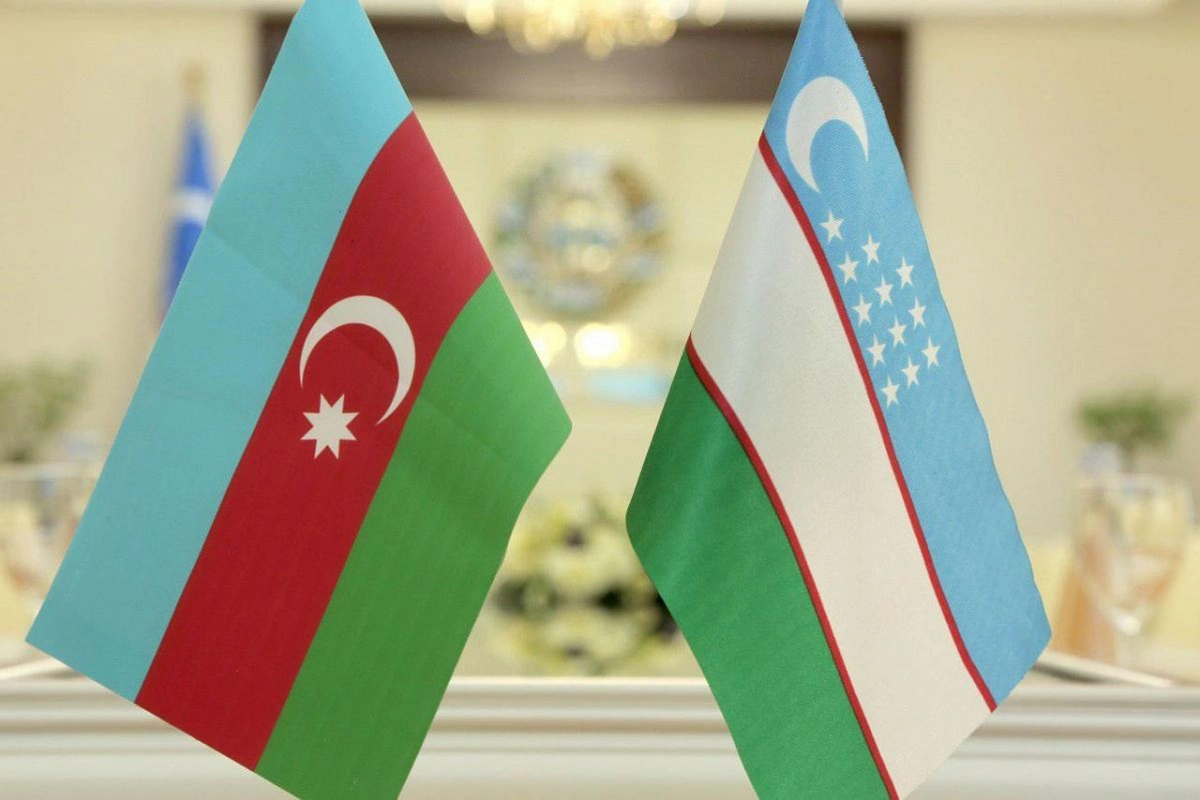
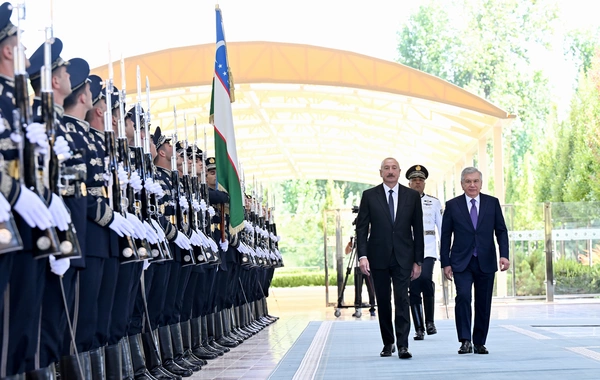
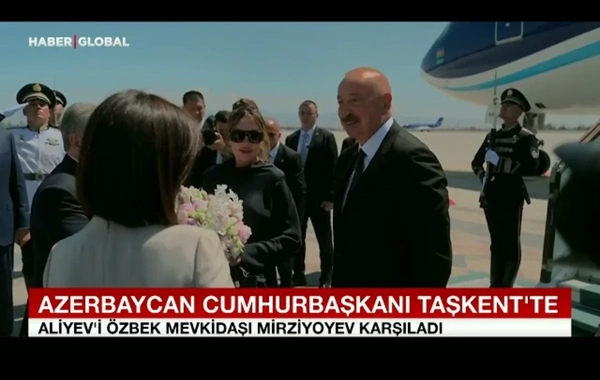
The historic victory achieved as a result of the 44-day Patriotic War and the full restoration of sovereignty created new geopolitical realities shaped by the President of Azerbaijan, fundamentally changing the balance of power in the Eurasian space. Against the backdrop of deepening contradictions between poles and the formation of new geostrategic realities at the junction of the South Caucasus and Central Asian regions, relations between Baku and Tashkent have entered a qualitatively higher institutional stage.
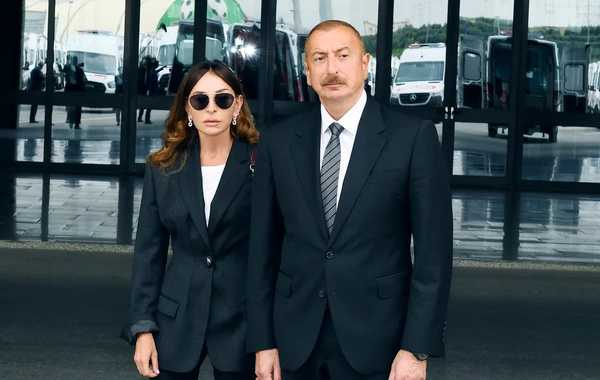
As reported by BAKU.WS, this was stated to Oxu.Az by Milli Majlis deputy Bahruz Maharramov, commenting on President Ilham Aliyev's visit to Uzbekistan.
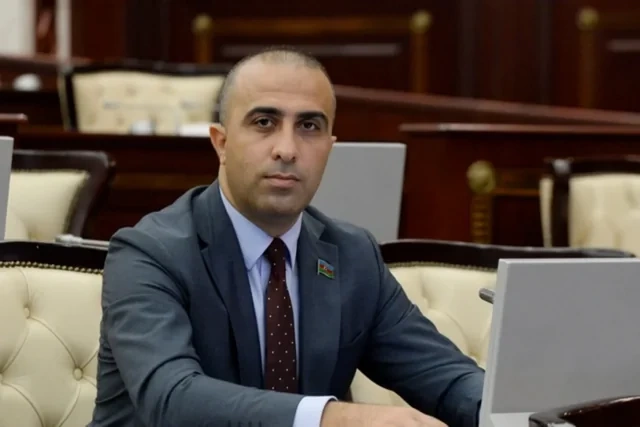
He noted that the South Caucasus, which was previously perceived primarily within a regional framework, is today transforming into a reliable geo-economic bridge providing Central Asia with access to Europe and international markets. This also impacts the partnership based on the principles of sovereign equality, territorial integrity, and mutual respect for national interests enshrined in modern international law, transforming it from a predominantly bilateral interaction into one of the main drivers of regional integration.
"In this context, Azerbaijan's election as a full member of the Consultative Meeting of Central Asian Heads of State and the de facto transformation of the former 'C5' format into a 'C6' format represents, from the standpoint of international law, the formalization of a new model of regional dialogue and strategic partnership in Eurasia.
At the international legal level, the joint position demonstrated by Azerbaijan and Uzbekistan on such multilateral platforms as the UN, the OIC, the Non-Aligned Movement, and the Organization of Turkic States enhances the political weight of both states in global decision-making mechanisms. In particular, Baku and Tashkent presenting a united front in defense of the principles enshrined in the Charter of the United Nations and the application of international law without double standards testifies to the institutional strength of the strategic partnership.
Efforts to translate economic diplomacy into a legal framework, the already traditional Azerbaijan-Uzbekistan interregional forums conducted in this direction, the study of large-scale infrastructure projects such as 'New Tashkent,' as well as the establishment of contacts with historical and cultural centers such as Bukhara, and the recourse to mechanisms enabling regional administrative units, municipalities, and business circles of both countries to cooperate directly alongside central government bodies, ensure the diversification of economic integration and contribute to the expansion of the mutual legal and contractual framework in the spheres of investment and urban development.
The existing picture shows that the offensive diplomatic strategy and the course toward regional integration defined by the President of Azerbaijan have qualitatively renewed allied relations with Central Asian states. In a period of growing strategic importance of the Middle Corridor, this multilateral platform taking shape between Azerbaijan and Uzbekistan serves as one of the main legal and political guarantees of regional stability, security, and long-term economic development," the parliamentarian noted.
Similar News
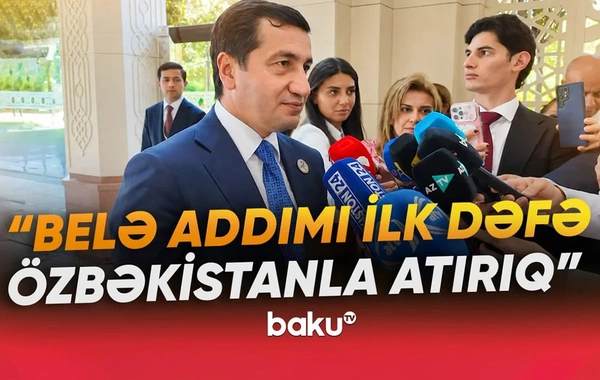
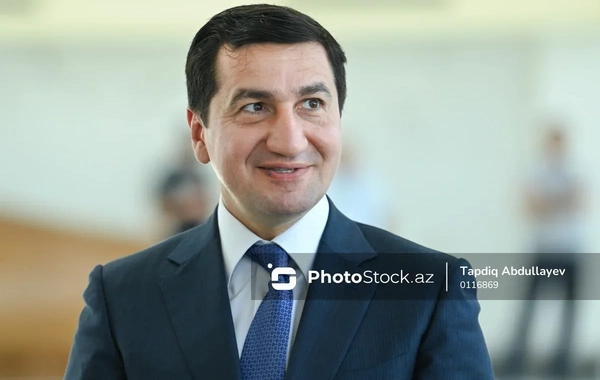
Hikmet Hajiyev: Relations between Azerbaijan and Uzbekistan already bear the character of a strategic alliance
Relations between Uzbekistan and Azerbaijan already bear the character of a strategic alliance. As reported by BAKU.WS, Assistant to the President of Azerbaijan...