Azərbaycanca
 По-русски
 English

 About us
An unexpected cause of intestinal disease flare-ups has been identified

Be the first to know
Zinc deficiency in the body may increase the likelihood of flare-ups of chronic inflammatory bowel diseases, including Crohn's disease and ulcerative colitis. This conclusion was reached by British researchers who studied the effect of the trace element on the functioning of the digestive system.
As reported by BAKU.WS with reference to the scientific journal Nutrients, specialists conducted a review of scientific studies and found that zinc deficiency is observed in nearly half of patients suffering from inflammatory bowel diseases.
Scientists note that zinc plays an important role in maintaining the health of the digestive tract. This trace element is involved in strengthening the protective barrier of the intestine, mucus formation, and regulation of immune processes. Its deficiency can weaken natural defense mechanisms, increasing the susceptibility of tissues to inflammation and damage.
Analysis of scientific data showed that reduced zinc concentration in the blood is associated with a higher risk of disease flare-ups, hospitalization, and the need for surgical intervention. The most notable correlation was identified in patients with Crohn's disease.
At the same time, the researchers drew attention to an important nuance: inflammatory processes themselves can lead to a decrease in zinc levels in the blood. Thus, low levels do not always indicate a real deficiency of the trace element and are sometimes a consequence of disease activity.
The authors of the review emphasize the need for timely detection and correction of zinc deficiency in patients with inflammatory bowel diseases. However, the specialists caution that there is not yet sufficient convincing scientific evidence that supplemental zinc intake can prevent flare-ups or improve the course of these diseases.


Similar News
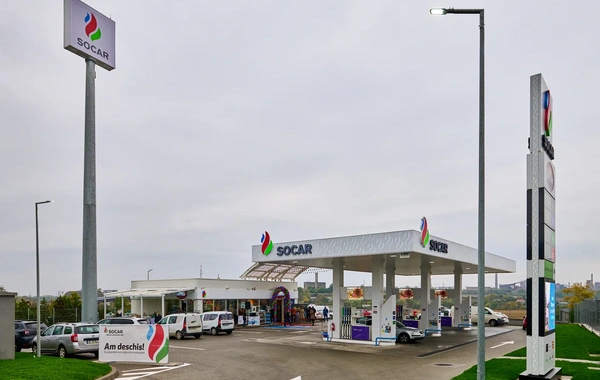
SOCAR gas station network in Romania expanded to 100 stations
The State Oil Company of Azerbaijan (SOCAR) has launched its 100th gas station in Romania. As reported by BAKU.WS with reference to SOCAR Petroleum SA, the gas...