


 Azərbaycanca
  По-русски
  English
 About us
Japanese scientists have found a way to treat Parkinson's disease for the first time
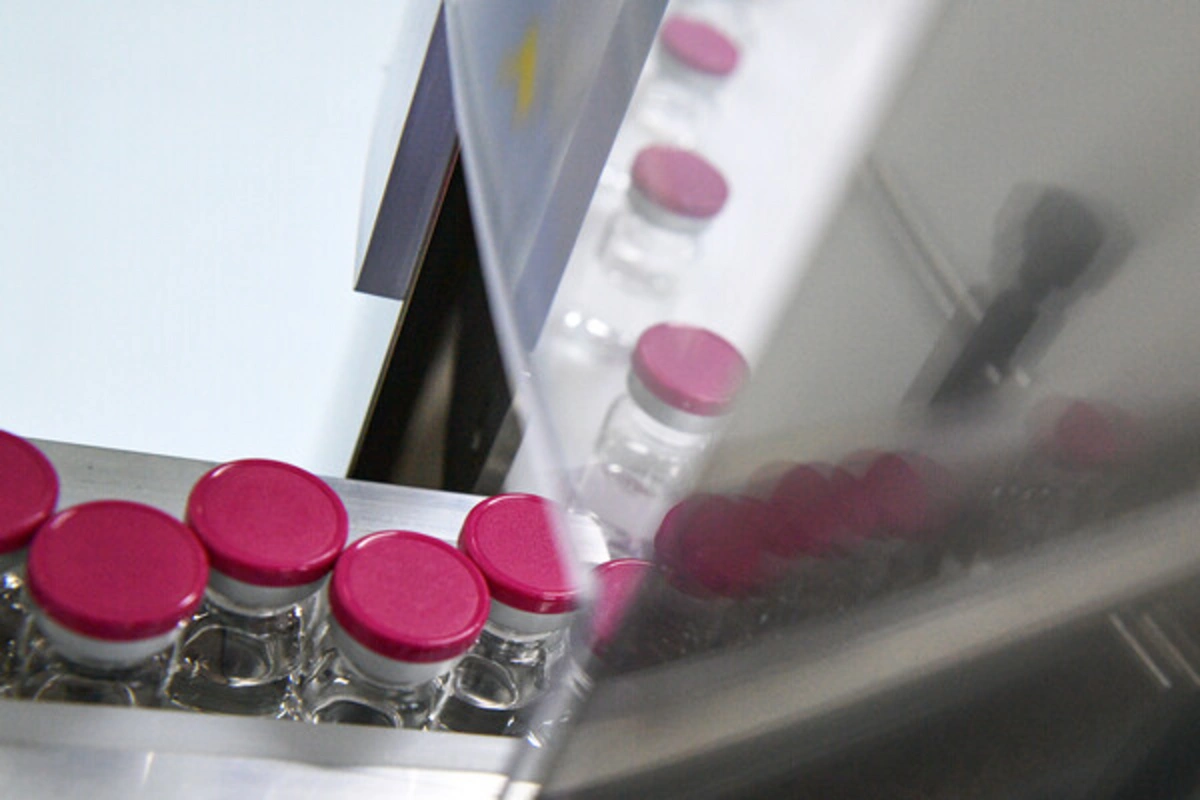
In Japan, partial approval has been granted for the use of a drug for treating Parkinson's disease, created based on induced pluripotent stem cells (iPS cells). This was announced by the Center for iPS Cell Research and Application at Kyoto University.
As reported by BAKU.WS citing data from the institute, director Jun Takahashi noted that this decision is an important step in the development of regenerative medicine. "We will make every effort to ensure that the new treatment method becomes standard and earns the trust of patients," he emphasized.
The developed drug contains nerve cells grown from iPS cells, which are transplanted into patients with Parkinson's disease. Earlier, the university published the results of clinical trials: some patients showed improvement in their condition after cell transplantation. In August, pharmaceutical company Sumitomo Pharma submitted an application to register the product under the trade name Amshepuri, with review conducted under an accelerated procedure.
In addition, regulators partially approved another iPS cell-based drug for the treatment of ischemic cardiomyopathy. Both drugs are considered unique and have no analogues in the world.


Similar News
Scientists have discovered how the aging brain "poisons" itself
With age, the chemical balance in brain cells becomes disrupted, causing proteins to lose their normal structure and form toxic clusters. An international team...