

 Azərbaycanca
  По-русски
  English
 About us
# Living Model: The Shocking Story Behind the Creation of the Monument "A Mother's Cry"
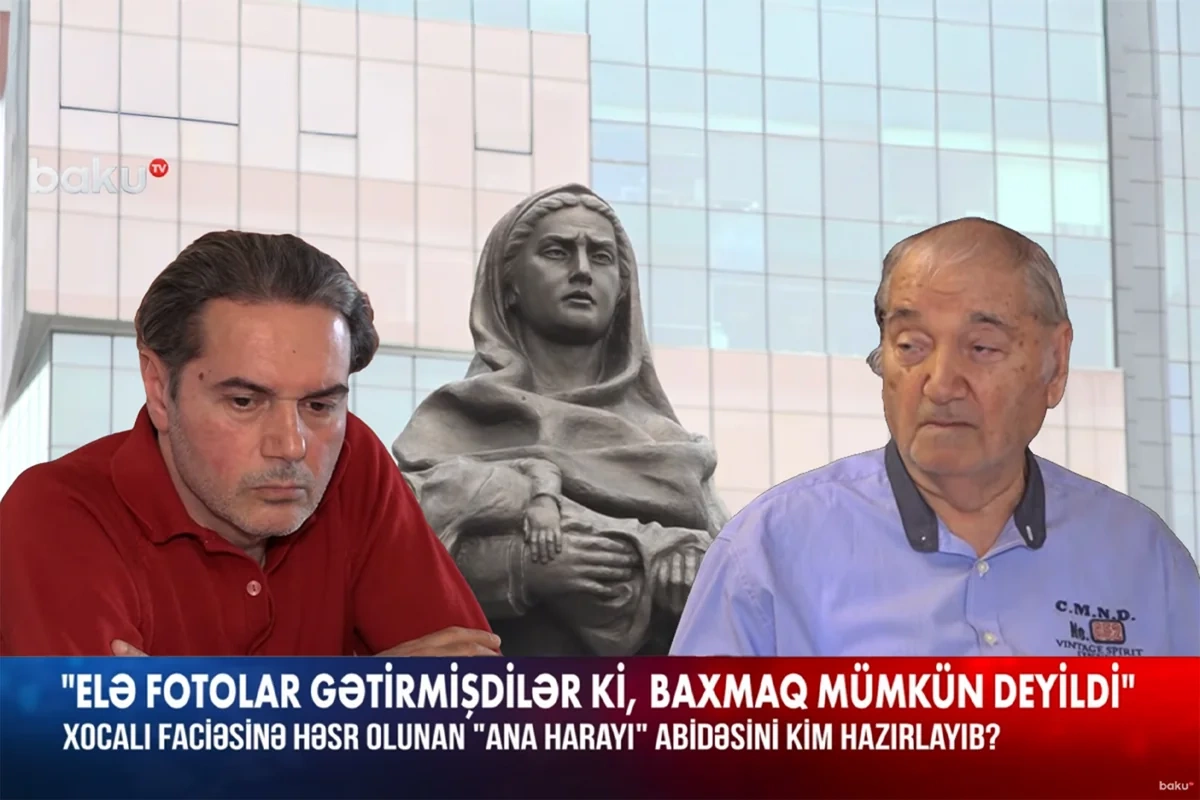
Thirty-four years after one of the bloodiest pages in the modern history of Azerbaijan, the pain of the Khojaly tragedy continues to live not only in the memory of the people but also in monumental art. The authors of the legendary monument Ana harayı ("The Cry of a Mother"), which has become a silent symbol of the genocide, are Honored Artist Aslan Rustamov and his sons — sculptors Teymur and Mahmud Rustamov. This monument, standing tall as an eternal reminder of the night of February 25-26, 1992, when 613 civilians were brutally killed, including 63 children, was born through the anguish of creative work and profound emotional shock.
In their interview with Baku TV, the creators of the memorial complex admitted that the process of working on the sculpture became the most difficult psychological ordeal for them.
"We were provided with archival photographic materials of such a degree of cruelty that it was practically impossible to look at them. What we saw in those images far exceeded any footage broadcast in the media," Mahmud Rustamov noted with bitterness.
A particular dramatic quality is added to the story of the monument's creation by the fact that in order to authentically convey the body posture of a dead child, the sculptors needed a live model. Mahmud Rustamov shared a piercing detail that reveals the price of art:
"At that time, my daughter was only two years old — the same age as many of the innocent victims of that night. I had to take her in my arms and hold her as if she were lifeless, imitating the pose of a murdered child. We took a photograph, and it was precisely this image of my living daughter that served as the basis for creating that very girl in the arms of the bronze mother."

Similar News
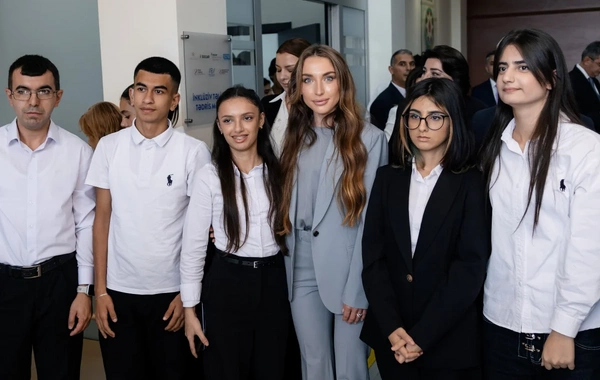
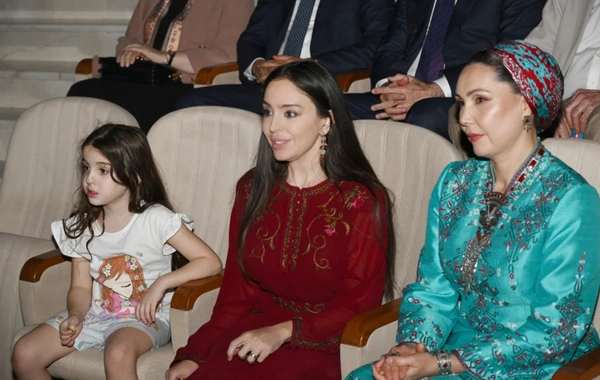
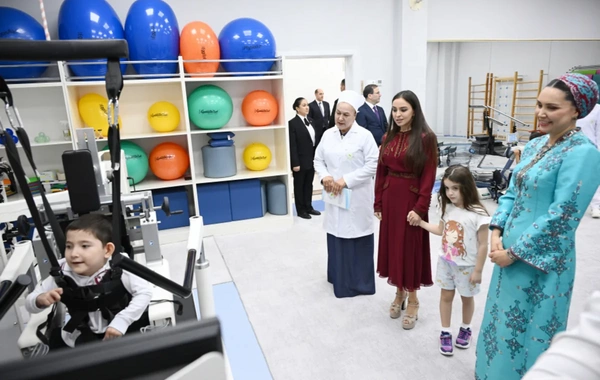
Alyona Aliyeva shared a post from the opening ceremony of the Center for Inclusive Learning and Education in Baku
The daughter-in-law of the President of Azerbaijan Ilham Aliyev, Alyona Aliyeva, shared a post from the opening ceremony of the Center for Inclusive Training an...