Azərbaycanca
 По-русски
 English

 About us
Scientists warned about unprecedented heat waves in the future: they could last up to half a year
Be the first to know
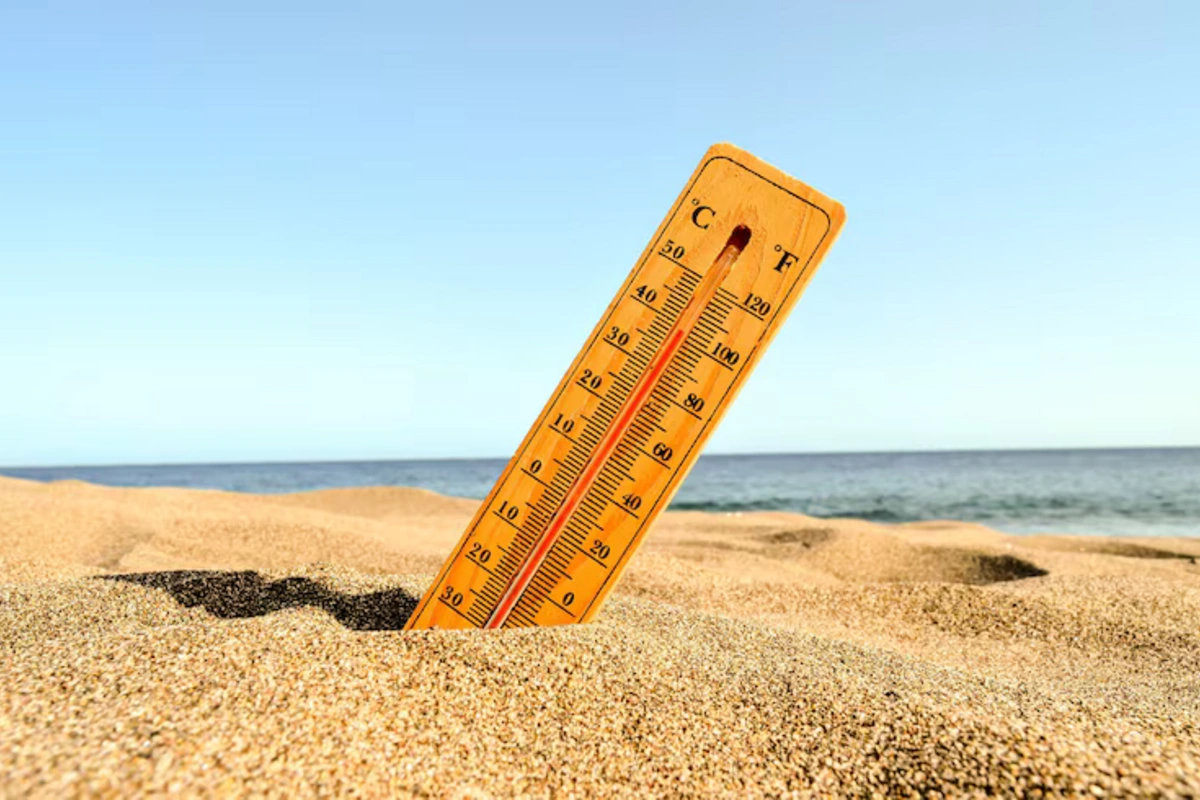
Future heat waves could be significantly longer, larger, and more intense than those observed in recent years. In some regions, extreme heat could persist for up to six months straight. This is the conclusion reached by climatologists at the Free University of Berlin together with researchers from Australia, Switzerland, and New Zealand.
As reported by BAKU.WS with reference to the journal Nature Communications, the study's findings indicate a substantial intensification of extreme temperature events in the 21st century.
The scientists analyzed nine major heat waves recorded between 2015 and 2023. These included large-scale fires and anomalous heat in Australia, the drought-stricken summer in Europe in 2018, and extremely high temperatures in Eastern Siberia in 2020. Each event was assessed using six indicators, including duration, area of spread, intensity, and cumulative heat.
According to the study's results, even with a relatively low level of greenhouse gas emissions, heat waves in five of the nine regions could last up to six months. Moreover, 10 to 20% of such events will accumulate twice as much heat as current record-breaking heat periods.
With high emission levels, cumulative heat during many regional heat waves could increase fivefold. If countries fail to meet their commitments under the Paris Climate Agreement, a significant proportion of future extreme temperature events will surpass existing records across all six studied indicators simultaneously.
Particularly alarming forecasts concern North Africa and the Middle East. With global warming of 3.5–4.5 degrees, 75 to 90% of future heat waves in these regions could exceed the record indicators of the summer of 2023 across all characteristics simultaneously. In Europe, the corresponding figure would be 36–64%.
The researchers also noted that some extreme weather events in recent years would have been virtually impossible without climate change. In particular, the probability of the heat dome forming over North America in 2021 without the influence of global warming was estimated at less than 0.3%.
The study's authors emphasize that past experience with extreme heat can no longer serve as an adequate benchmark for preparing for future climate threats. In their view, urban infrastructure, energy systems, and healthcare must be ready for temperature events of a scale that humanity has not yet experienced.
Even fulfilling current climate commitments, which, according to the cited estimates, limit warming to approximately 2.6–2.8 degrees, will not provide complete protection against extreme heat in the future.


Similar News

In Europe, several passenger aircraft were threatened with bomb explosions
Several passenger aircraft operating flights in Europe received messages about the possible presence of explosive devices on board. As a result, some aircraft h...