


 Azərbaycanca
  По-русски
  English
 About us
An unexpected "superpower" has been discovered in dance enthusiasts
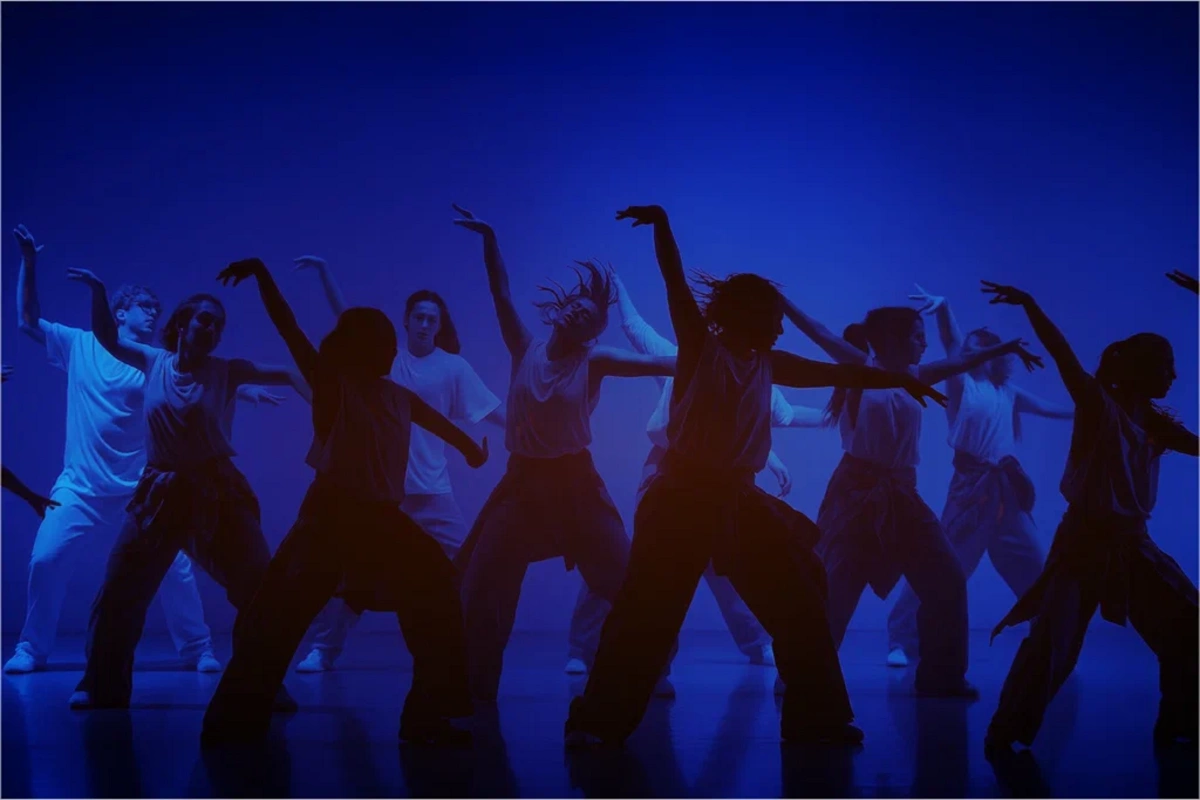
Scientists have discovered that people with dance training have better control over their movements when they see happy faces: they stop an initiated action faster than those who do not practice dance. Moreover, the advantage manifested specifically with positive emotions. The study was published in the journal Psychology of Sport & Exercise (PSE).
The study involved 83 people — 45 dancers and 38 non-dancers. Dancers were defined as those who had been practicing for at least six months and trained at least six hours per week. Participants performed computer-based tasks in which they needed to inhibit a response in time.
It turned out that when seeing happy faces, dancers stopped their movements noticeably faster. At the same time, on neutral tasks without emotions, they showed no advantage — meaning that training develops not general movement control, but specifically the ability to cope with emotional stimuli. In people without training, the facial expression on the screen had no effect on movement control.
Additionally, it was found that dancers on average reported lower levels of stress and depression, and the longer a person had been practicing, the better their mental health indicators were.
The authors from the Indian Institute of Technology Bombay attribute this to the fact that dancing enhances the activity of brain regions responsible for emotional regulation. However, the study does not prove a causal relationship: it is possible that people with certain predispositions are simply drawn to dance. Nevertheless, the authors believe that dance can be considered an accessible way to train not only the body but also emotional management.

Similar News

An unpleasant property has been found in the "love hormone"
Oxytocin is often called the "love hormone," but a new study by Canadian scientists has shown that in people with relationship anxiety, it can make childhood me...