

 Azərbaycanca
  По-русски
  English
 About us
Short-sightedness prevention: a simple method discovered
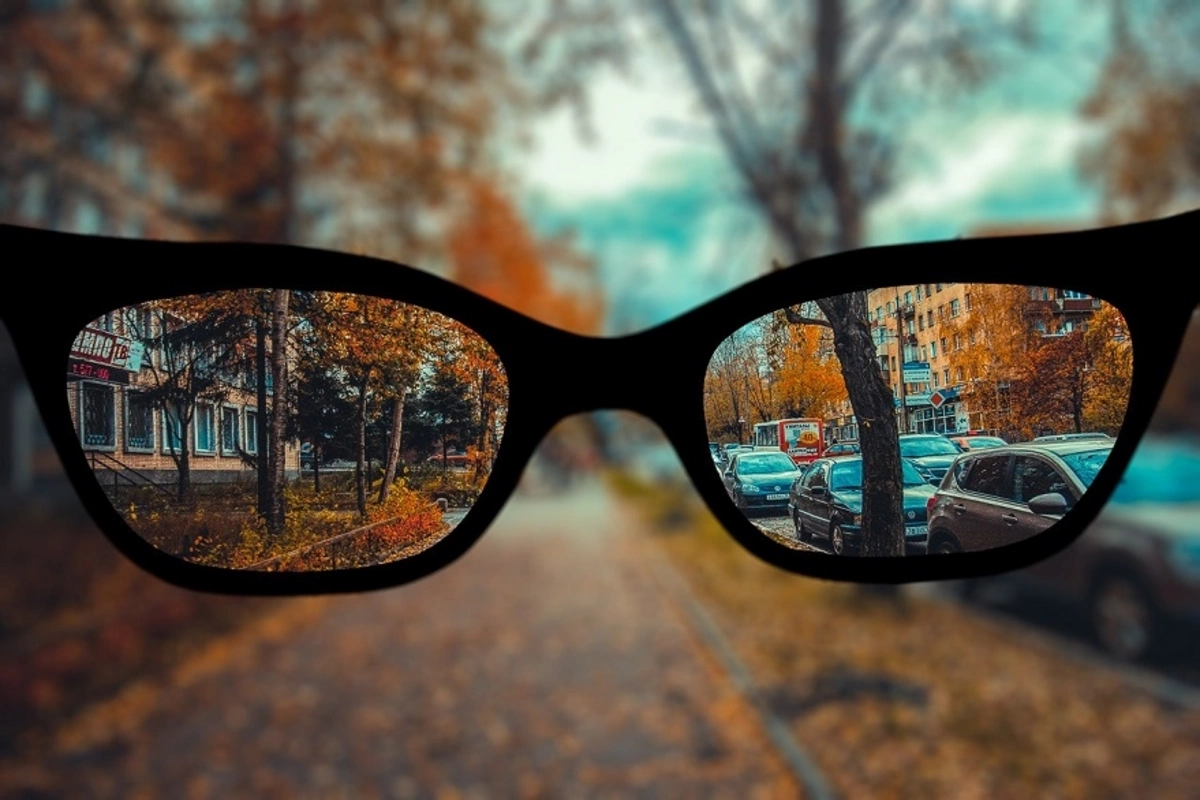
Scientists have found that light of a special blue-violet shade — indigo — can prevent the development of myopia, and suggested that redesigning indoor lighting could reduce the rise of nearsightedness in children. The study was published in the journal Cell Reports Medicine.
Myopia is becoming an increasingly widespread problem: by 2050, an estimated 5 billion people — roughly half the world's population — are expected to suffer from it. One of the reasons is believed to be a lack of proper light: standard white LEDs produce a peak emission around 450 nanometers, whereas natural light is richer in spectral variety.
Researchers tested the effect of indigo light with a wavelength of 419–446 nanometers on tree shrews — small animals whose eyes are similar in structure and optics to human eyes. Animals that received this light did not develop myopia at all.
Earlier experiments on mice had shown that violet light around 380 nanometers reduces myopia, but this did not work on tree shrews: the lens blocks most wavelengths shorter than approximately 400 nanometers, so violet light was ruled out as an option. The indigo range proved to be both effective and capable of penetrating into the eye.
The next step will be installing improved lighting systems in participating kindergartens to compare how often children develop myopia under standard versus "redesigned" light. According to the authors, this is still an experiment rather than a ready-made recommendation. Nevertheless, the scientists believe that properly selected lighting in kindergartens and schools could become a simple and safe way to slow the spread of myopia among children worldwide.


Similar News
Debunked: Popular myth about mandatory sleep duration
Researchers have concluded that the widespread notion of needing exactly eight hours of sleep per night lacks definitive scientific evidence. Studies of modern...