


 Azərbaycanca
  По-русски
  English
 About us
Popular sugar substitutes that accelerate brain aging have been named
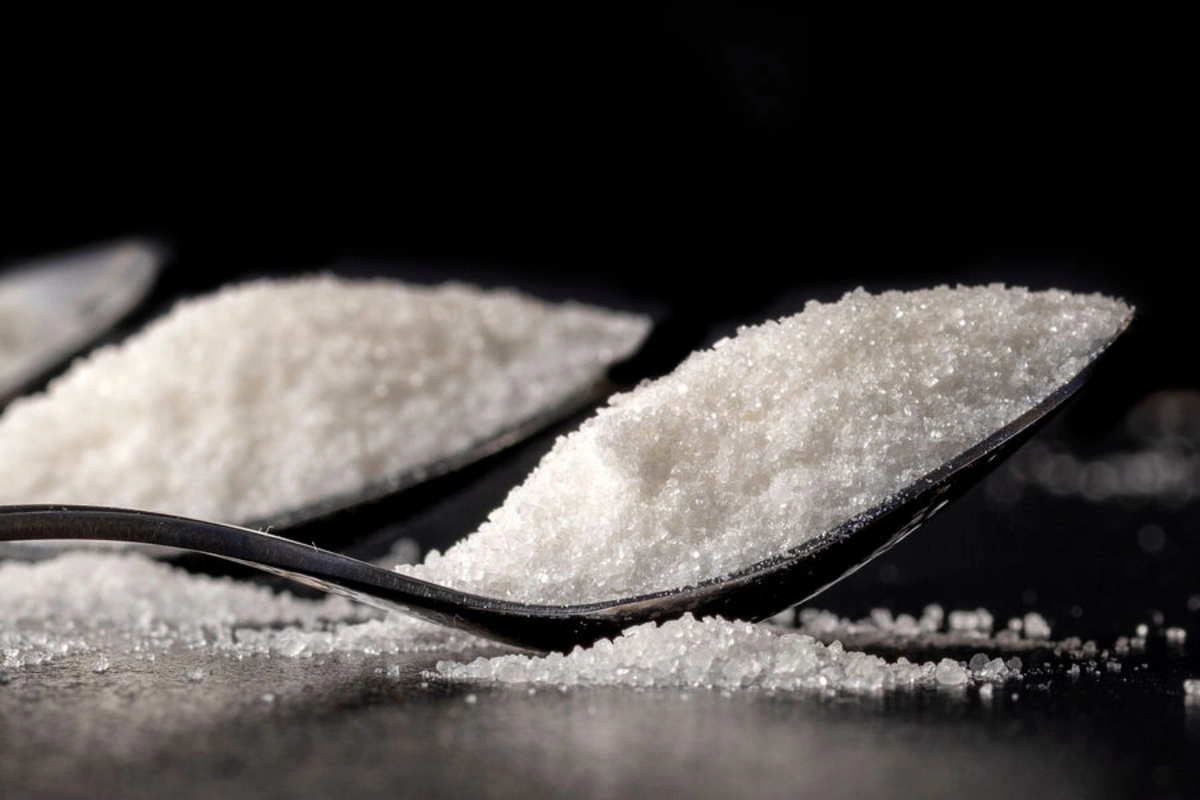
Sugar substitutes are positioned as a harmless alternative to sugar, especially for people with diabetes and excess weight. However, a large Brazilian study calls into question their neutrality with respect to the brain. The work was published in the journal Neurology.
Scientists led by Claudia Kimie Suemoto from the University of São Paulo observed 12,772 adults with an average age of 52 over eight years. Participants were divided into three groups based on the total consumption of seven sweeteners: aspartame, saccharin, acesulfame K, erythritol, xylitol, sorbitol, and tagatose. In the highest consumption group, the average daily dose was 191 mg, while in the lowest group it was 20 mg.
Participants with the highest sweetener consumption demonstrated a 62% faster decline in memory, verbal fluency, and processing speed compared to those who consumed the least. The difference corresponds to approximately 1.6 additional years of cognitive aging. For the middle group, it was 1.3 years. The effect was particularly pronounced in people under 60 and in diabetics, who are the ones most likely to switch to substitutes for medical reasons.
Of the seven substances studied, only tagatose showed no association with cognitive decline. The remaining six — aspartame, saccharin, acesulfame K, erythritol, xylitol, and sorbitol — were associated with memory deterioration.
The authors emphasize that this is an observational study and cannot prove a causal relationship. It cannot be ruled out that people with emerging cognitive changes are more likely to switch to diet products. Nevertheless, the scale of the sample, the duration of observation, and the consistency of results across most sweeteners make this finding significant.

Similar News

Unexpected cause of inflammatory bowel disease identified
Inflammatory bowel diseases — Crohn's disease and ulcerative colitis — affect millions of people worldwide, yet the mechanism of their development remains incom...