


 Azərbaycanca
  По-русски
  English
 About us
A dangerous liver effect has been found in a dry cleaning agent
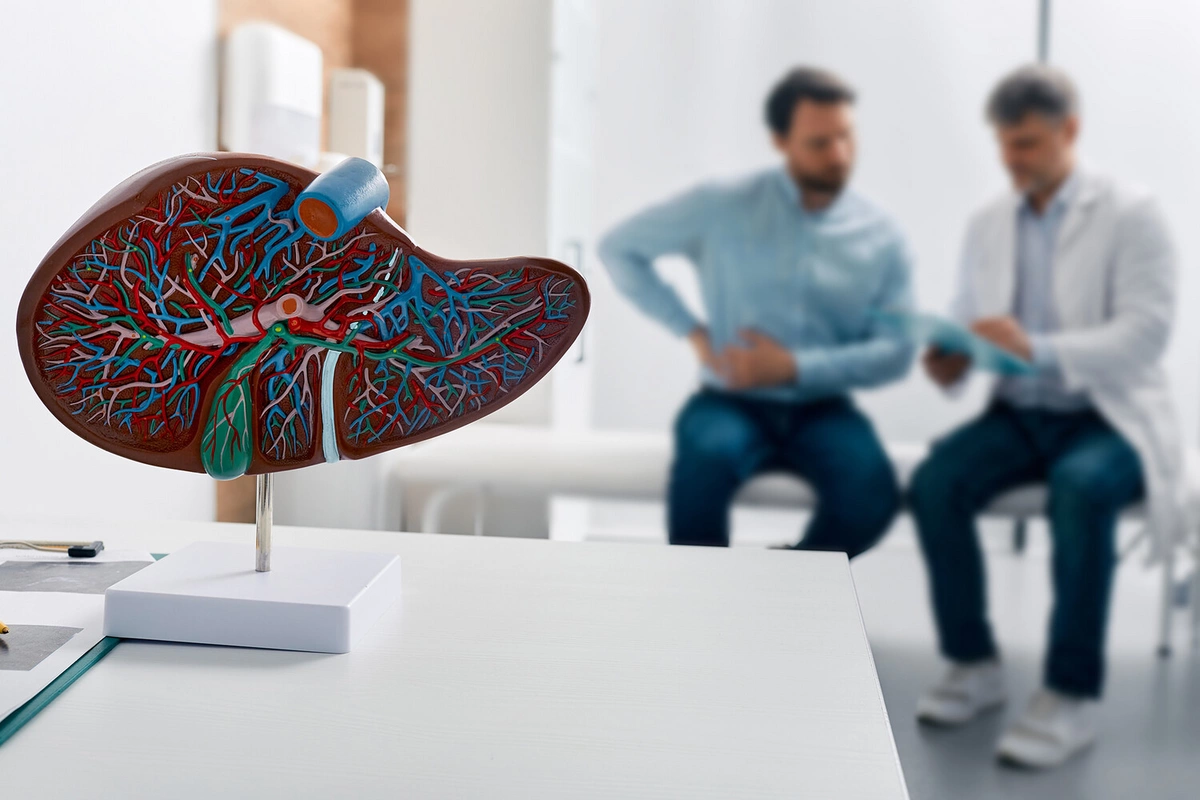
Contact with industrial solvent tetrachloroethylene (PCE), used in metalworking and dry cleaning of fabrics, can significantly increase the risk of developing liver fibrosis.
As BAKU.WS reports, this conclusion was reached by the authors of a study published in the journal Liver International (LI).
As part of the work, researchers analyzed data from a large adult survey where liver stiffness was assessed using elastography. This method allows determining the degree of fibrosis - the volume of scar tissue replacing normal liver tissue. It turned out that even minimal PCE content in the blood more than tripled the likelihood of fibrosis compared to situations where the chemical was completely absent.
The relationship was dose-dependent: the higher the concentration of tetrachloroethylene in the blood, the greater the risk of liver damage. To exclude the influence of other factors, researchers used the "negative control" method and checked a similar relationship for a biomarker reflecting general contact with volatile organic compounds. The dependency was not confirmed, indicating the specific action of PCE.
The authors emphasize that the toxicity of tetrachloroethylene was previously proven mainly among workers who encounter it in their line of work, as well as in laboratory experiments. New data suggest that harm can also manifest among the general population. Scientists call for further clinical and toxicological studies to more accurately assess potential risks and, if necessary, revise environmental standards.
Similar News

The mystery of the magnetic field on the Moon has been solved for the first time
An international team of scientists has proposed an explanation for one of the long-standing mysteries of lunar geology: why some rocks brought to Earth by the...