

 Azərbaycanca
  По-русски
  English
 About us
The Era of Conflict Is Over: The New Reality of the South Caucasus Through the Eyes of an Expert
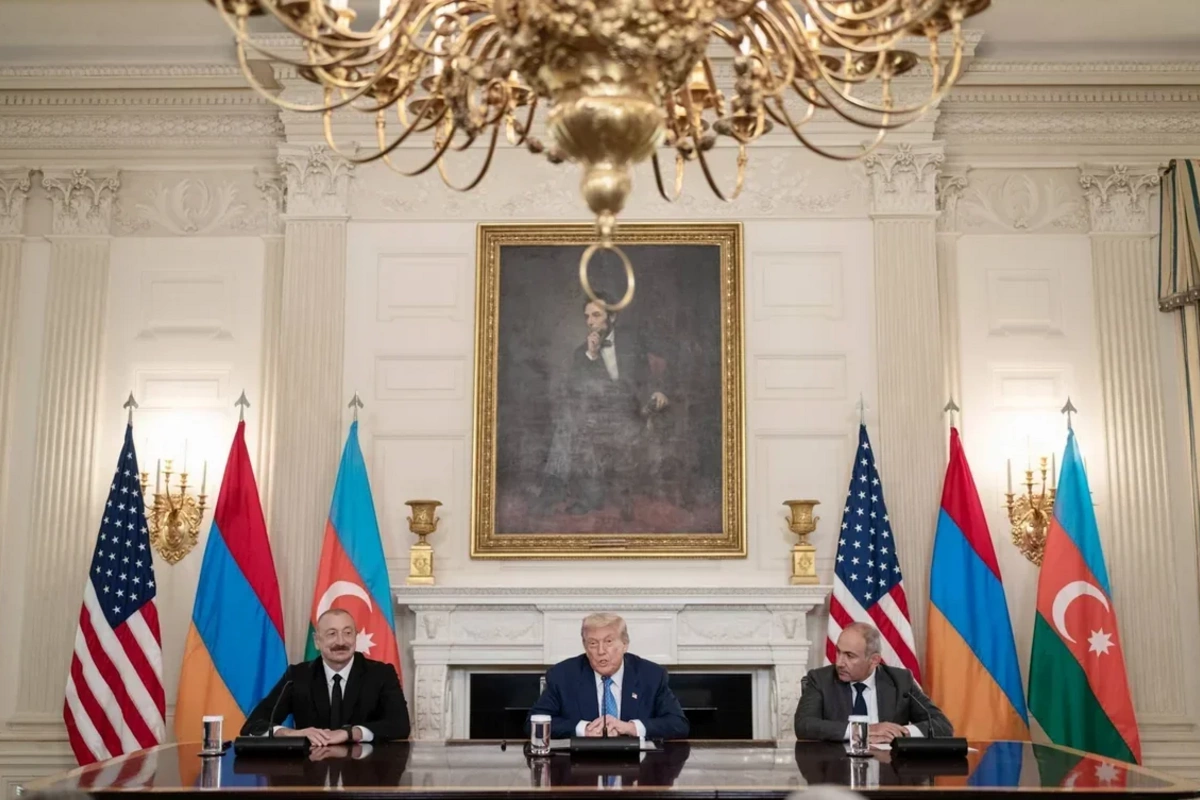
A year after the Washington Summit, the peace process between Azerbaijan and Armenia is entering a new phase. The newspaper "Caspian" spoke with Doctor of Political Sciences and State Counselor of the Russian Federation, 1st Class, Tatyana Poloskova about the role of the United States and the TRIPP project, the transformation of Russia's influence in the South Caucasus, and the economy as a guarantee of peace.

- Can we already speak of the irreversibility of the peace process between Baku and Yerevan?
- As is known, Azerbaijan, the United States, and Armenia published a Joint Statement on the occasion of the first anniversary of the Peace Summit, held on August 8, 2025, in Washington. It noted, in particular, that a year ago, in the presence of the three leaders, the foreign ministers of Azerbaijan and Armenia initialed the draft "Agreement on the Establishment of Peace and Interstate Relations between the Republic of Azerbaijan and the Republic of Armenia."
The past year has been a period of important steps toward implementing these agreements. Armenia and Azerbaijan have maintained stability along the Armenian-Azerbaijani border, and a productive dialogue between the countries is ongoing. Of course, this is not a matter of one day or even one year. But the era of conflict has truly ended. And it is not only about the constructive steps taken by the leaders of Azerbaijan and Armenia and the business elites of these countries. But above all, it is about the shift in public sentiment. A significant part of contemporary Armenian society genuinely wants peace and good-neighborly relations. Although proponents of revanchism have not disappeared, their capabilities have been significantly curtailed after Pashinyan's well-known measures.
The geopolitical situation has also changed dramatically. A new and very promising center of gravity is taking shape — the Turkic Union. And it is not unlikely that we will soon witness Armenia expressing a desire to join it. Especially since a number of traditionally Christian countries are already within its orbit — Hungary, for example. So for Pashinyan, the choice between the EAEU and the EU is no longer a top priority.
- How is the strengthening of the U.S. presence in the South Caucasus perceived in Moscow?
- I'm afraid that in the current geopolitical situation, the opinion of official Moscow is not that important to Pashinyan when determining his foreign policy strategy. It

Similar News
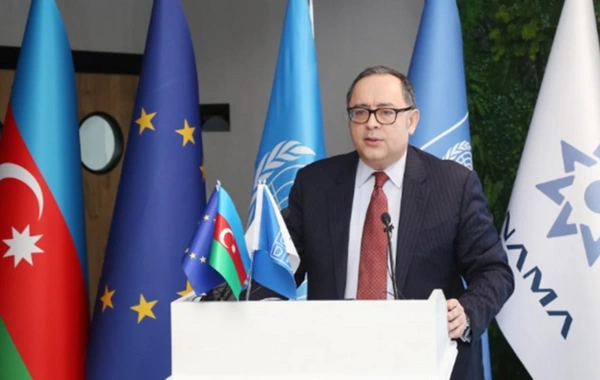
Ambassador Sultan Hajiyev will become the new Secretary General of CICA
Ambassador Sultan Hajiyev will become the new Secretary General of the Conference on Interaction and Confidence-Building Measures in Asia (CICA). As reported by...