Azərbaycanca
 По-русски
 English

 About us
Memorial Sites of Western Azerbaijan: the village of Akerak, where the ruins of a 17th-century mosque have been preserved
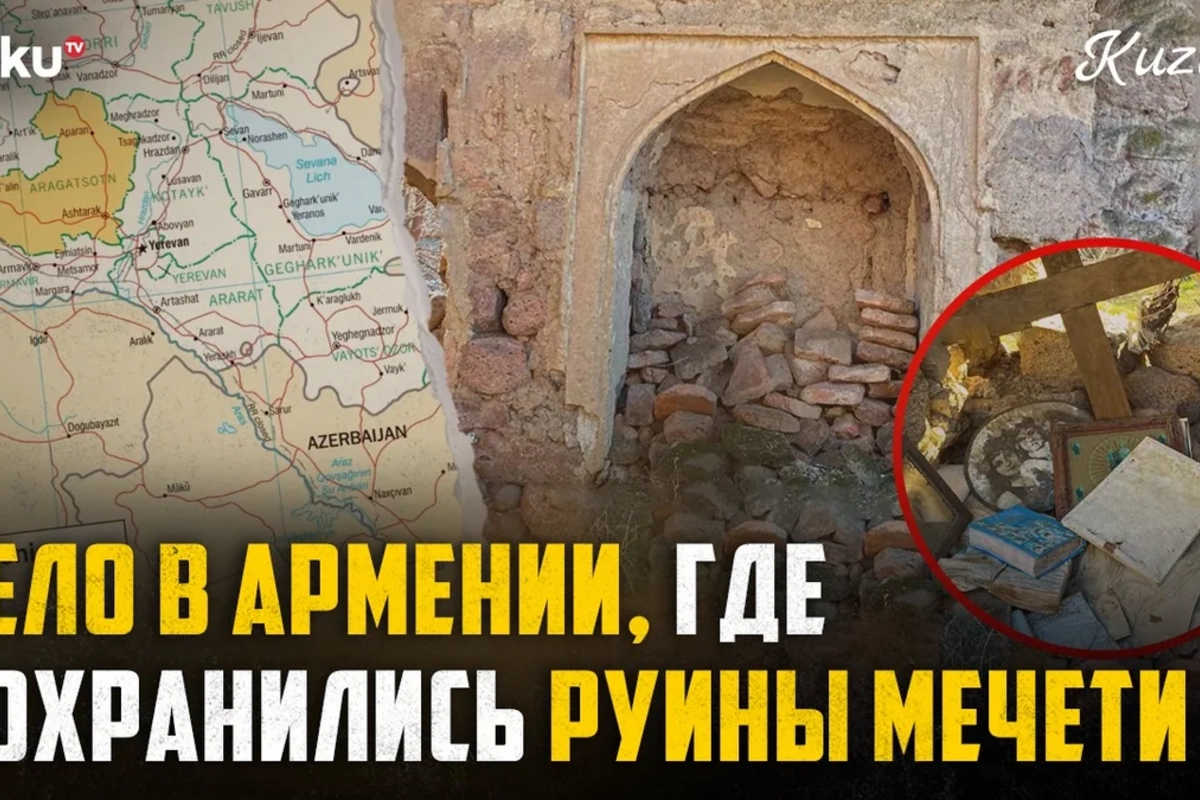
A unique project has been presented to the public - the research work "Places of Memory of Western Azerbaijan".
For the first time, during field research on the territory of modern Armenia, data on nearly 600 villages where the ancestors of modern Azerbaijanis historically lived has been collected and systematized. In some of them, fragments of Turkic cultural and historical heritage have been preserved - cemeteries, shrines, mosques.
A separate video has been prepared for each village in three languages (English, Azerbaijani, Russian), containing fragments of photo and video footage of the specific village on the territory of modern Armenia, documented data on the number of Turks (ancestors of modern Azerbaijanis) in the 19th-20th centuries in the specific village, as well as the history of the village and the chronology of the gradual "disappearance" of the Turkic population as a result of expulsions and ethnic cleansings.
Western Azerbaijan has historically been a geographical space where hundreds of thousands of Azerbaijanis lived. Despite attempts to erase the traces of our compatriots in these territories, remembering the ancient places of residence of Azerbaijanis in Western Azerbaijan and being aware of them is the duty of each of us.
Oxu.Az presents to readers the next part of the series, dedicated to the village of Akerak (now Agarak) in Armenia, whose indigenous population fell victim to a massacre carried out by Armenian armed formations.
During the tsarist period, the settlement was called Akerak, Akarak, Akeran, and during the Soviet period - Agarak.
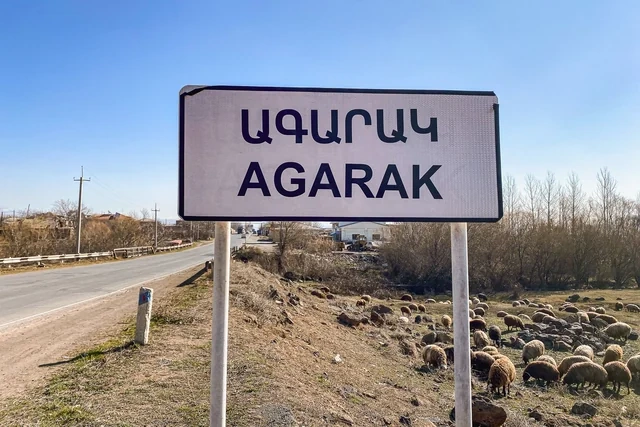
Since 1995, the village has been part of the Aragatsotn Province of the Republic of Armenia.
Mentions of the village are found in Ottoman sources of the 16th and 18th centuries.
From the mid-18th century until the Russian conquest, the village was part of the Karpi-basar magal of the Iravan Khanate.
In 1827, Russia occupied the territory of the Iravan Khanate, and the Treaty of Turkmenchay of 1828 formalized its incorporation into the Russian Empire. During the tsarist Russian period, the village was part of the Echmiadzin district of the Erivan Governorate.
In 1829-1832, a cameral description of the territories of the former Iravan and Nakhchivan Khanates was compiled on behalf of the Russian authorities.

Similar News
Athletes who attacked a State Fire Service major will face trial again
A cassation appeal has been filed against the decision in the case of three kickboxers who were criminally prosecuted in connection with the attack on Major of...