Azərbaycanca
 По-русски
 English

 About us
The Tariff Council of Azerbaijan explained the price difference for identical medicines in pharmacies

In some pharmacies in Azerbaijan, the same medicines are sold at different prices. The price difference amounts to approximately 15-20 manats. This creates certain difficulties when purchasing medicines, especially for families with limited financial means and those who have sick people at home.
As reported by bakıvaxtı.az, this was stated by the Tariff Council of Azerbaijan, commenting on the difference in medicine prices.
The council emphasized that medicine prices in the country are regulated in accordance with rules approved by the Cabinet of Ministers and the Tariff Council's instruction on price calculation. An upper limit for wholesale and retail medicine prices is established. Pharmacies may sell medications below the established ceiling price.
"Therefore, the price of the same medicine may differ across different pharmacies. The Code of Administrative Offenses provides for liability for selling at a price exceeding the established upper limit.
For example, if the ceiling price of a certain medicine is approved at 5 manats, its maximum price cannot exceed 5 manats, but it can be sold for less," the agency explained.
It is noted that the external reference pricing methodology is applied when calculating prices. In other words, prices from official and open sources in countries selected as reference markets are taken as the basis.
Based on the established base price, the maximum selling price is calculated taking into account the markups provided for wholesale suppliers and pharmacy organizations, the cost of the control stamp, and value-added tax (VAT).
"The regulatory documents governing pricing and reference price sources can be found on the official website of the Tariff Council. The cost of medicines with the same composition but manufactured by different companies may also vary. When regulating prices, groups of manufacturing countries, medicine production requirements in those countries, the level of pharmaceutical industry development, and prices on reference markets are taken into account," the council reported.
It was also noted that biologically active dietary supplements (BADs) sold in pharmacies are not classified as medicines, and therefore the state does not regulate their prices:
"For this reason, the cost of such products may differ across different pharmacies."


Similar News
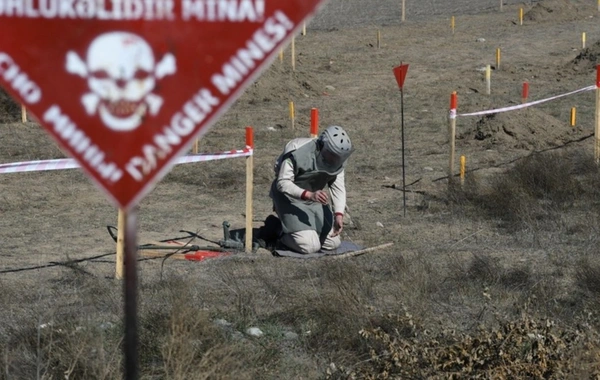
ANAMA: Last week, 997 hectares of territory were cleared of mines
From October 19 to 25, 42 anti-tank mines, 122 anti-personnel mines, and 526 unexploded ordnance were discovered and neutralized in the liberated territories of...