

 Azərbaycanca
  По-русски
  English
 About us
The secret of fast home internet revealed
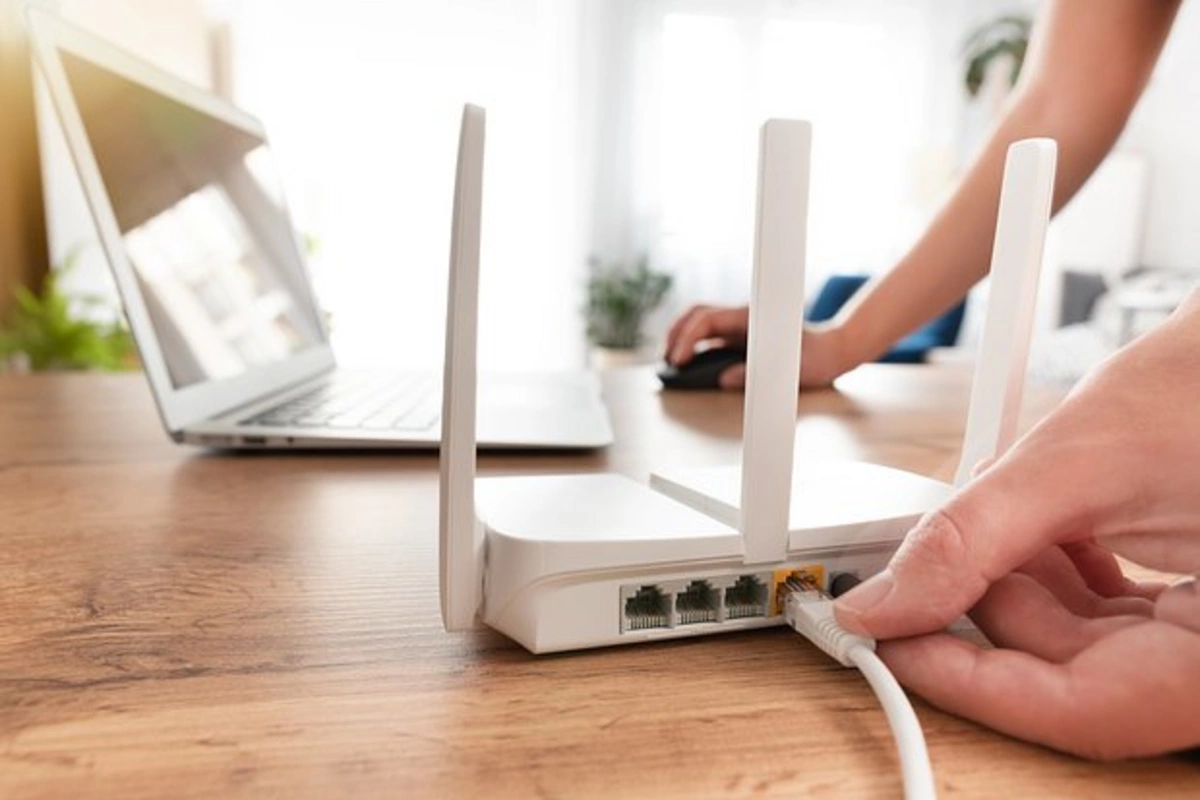
Problems with home internet quality are not always related to the tariff plan or the provider's performance. In many cases, the cause of a slow connection may be improper configuration or poor placement of the Wi-Fi router.
As reported by BAKU.WS with reference to How-To Geek, experts recommend first checking the wireless network settings. In particular, it is worth making sure that the router is not creating two networks that incorrectly use the same connection.
One of the useful features experts highlight is Smart Queue Management (SQM). This technology helps reduce connection latency and prevents so-called bufferbloat, which can noticeably slow down the internet under heavy load.
Another important factor is the choice of DNS server. Users can change it on their own or seek help from a specialist. A properly configured DNS can improve the speed of request processing and make working with internet services more comfortable.
Experts also advise splitting devices between Wi-Fi networks operating on the 2.4 and 5 GHz frequencies. This approach allows for more efficient load distribution and enables choosing the appropriate band depending on the location and capabilities of each specific device.
Finally, the placement of the router itself is of significant importance. Experts recommend installing it as high as possible and not blocking it with furniture or other objects. The fewer physical obstacles there are between the router and the connected devices, the more stable the wireless signal can be.
Therefore, before switching to a more expensive tariff plan, users should check their router settings, DNS, distribution of devices between Wi-Fi bands, and the placement of the equipment.


Similar News

The doctor explained how many calories a person burns spending the entire day on the couch
Even a day spent at home on a laptop or on the couch does not mean a complete absence of energy expenditure. The body continues to burn calories to maintain vit...