


 Azərbaycanca
  По-русски
  English
 About us
Scientists have found out what is behind nightmares
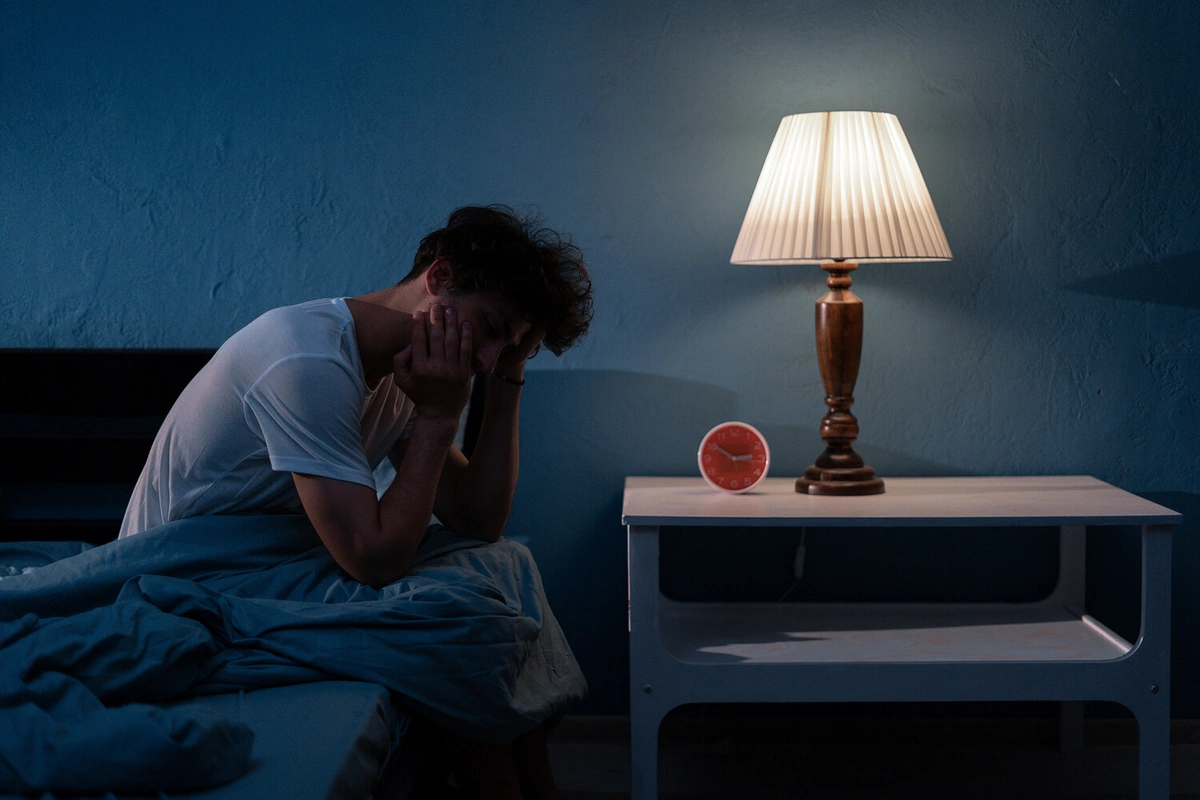
People with high levels of waking stress are more likely to experience negative emotions in their dreams. At the same time, strategies for coping with daytime stress do not appear to change these nighttime reactions. The results have been published in the scientific journal Dreaming.
Psychologists describe the connection between everyday life and sleep through the concept of continuity: experiences, thoughts, and feelings from waking life carry over into dream content. If a person has experienced significant stress, the same anxiety and fear will resurface in their dreams.
Psychologist Jonas Mathes from Heidelberg University (Germany) and his colleagues recruited 65 participants aged 17 to 61, mostly female students. They completed a questionnaire assessing stress in various areas of life—finances, pressure at work or school, health—and indicated which coping strategies they used: adaptive (positive thinking, support from loved ones) or maladaptive (alcohol and cigarettes).
The participants then kept a dream diary for 14 days. Each morning, they noted whether they remembered a dream, rated the intensity of emotions on a scale from zero to three, and identified specific feelings: fear, sadness, anger, joy, surprise, and others. At the end, they decided for themselves whether it was a nightmare.
Over two weeks, participants recorded 276 dreams. The most frequently occurring emotions were surprise and joy, but negative emotions were present in 39% of dreams. About 11% of dreams were classified by participants as nightmares. Their frequency was associated with negative emotions, particularly anger, and inversely associated with joy.
Waking stress predicted negative emotions in dreams: the higher the everyday stress, the more intense the negative experiences in dreams. Interpersonal and financial concerns—uncertainty in relationships with loved ones and debts—carried over most strongly.
The researchers expected that adaptive strategies would reduce negative dreams, while maladaptive ones would intensify them. However, the effects of both turned out to be statistically insignificant. Support from loved ones, positive thinking, alcohol, or cigarettes did not change the emotional tone of dreams. How a person manages stress during the day apparently does not affect how that stress manifests at night.
The study relies on self-reports filled out in the morning from memory, which may distort the results. The sample is small and consists mostly of young female students recruited online. The frequency of nightmares was low, and maladaptive coping was measured only through alcohol and cigarettes. Future studies could expand the range of strategies and focus on people with frequent severe nightmares.

Similar News

A fruit that helps lower blood pressure has been named
The exotic fruit feijoa has unexpectedly shown benefits for blood pressure: people with prediabetes who took powder made from this fruit saw greater improvement...