Azərbaycanca
 По-русски
 English

 About us
Late-night snacking turned out to be harmful for the liver
Be the first to know
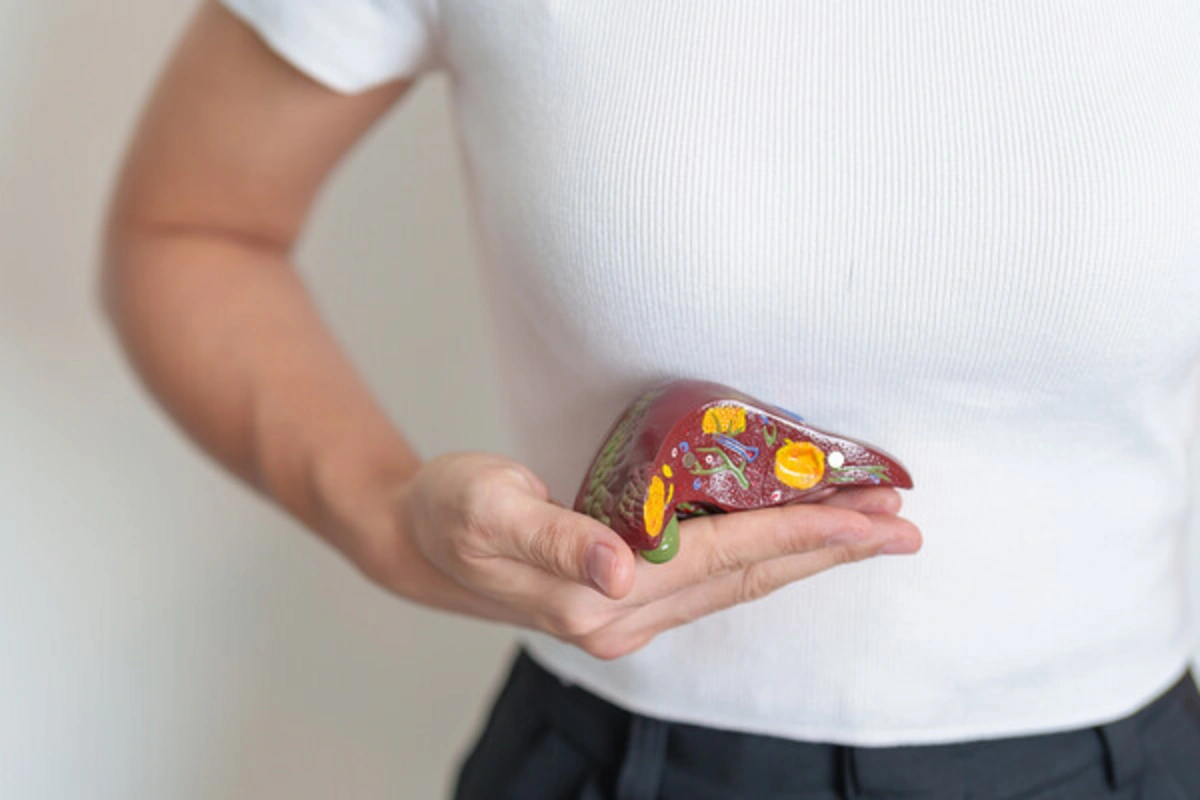
The habit of snacking after the evening meal or right before bedtime may be associated with an increased likelihood of developing fatty liver disease and cirrhosis. This is the conclusion reached by researchers from Oregon Health & Science University (USA).
As reported by BAKU.WS with reference to the journal Clinical Gastroenterology and Hepatology (CGH), scientists analyzed data from 199,155 healthcare professionals who participated in three large-scale American studies. At the start of the observation period, none of them had liver disease. Over the subsequent 16 years, fatty liver disease was diagnosed in 4,492 individuals, and cirrhosis in 315 participants.
The analysis showed that people who habitually ate during late evening hours had a 36% higher likelihood of developing fatty liver disease and a 28% higher likelihood of cirrhosis compared to those who refrained from eating after dinner. Notably, the identified pattern persisted even after accounting for body mass index, dietary characteristics, caloric intake, alcohol consumption, and physical activity levels.
A possible explanation for this association, according to the scientists, is related to circadian rhythms — the body's internal biological clocks that regulate various processes in the body, including metabolism. Since liver function is closely linked to these rhythms, food intake during the period when the body is preparing for sleep may disrupt its natural functions.
At the same time, the researchers caution against drawing definitive conclusions. The results indicate an association between late-night snacking and liver disease but do not confirm that nighttime eating is their direct cause.
The study also has other limitations: information about dietary habits and diagnoses was based on the participants' self-reported responses rather than on the results of medical liver examinations. Furthermore, the majority of volunteers were highly educated individuals working in the medical field. Therefore, the findings cannot be automatically generalized to the entire population.


Similar News

Tomorrow in Baku predominantly no precipitation
On November 10, variable cloudiness is expected in Baku and on the Absheron Peninsula, predominantly without precipitation. This is reported by BAKU.WS with ref...