

 Azərbaycanca
  По-русски
  English
 About us
Dangerous types of fish for children have been named
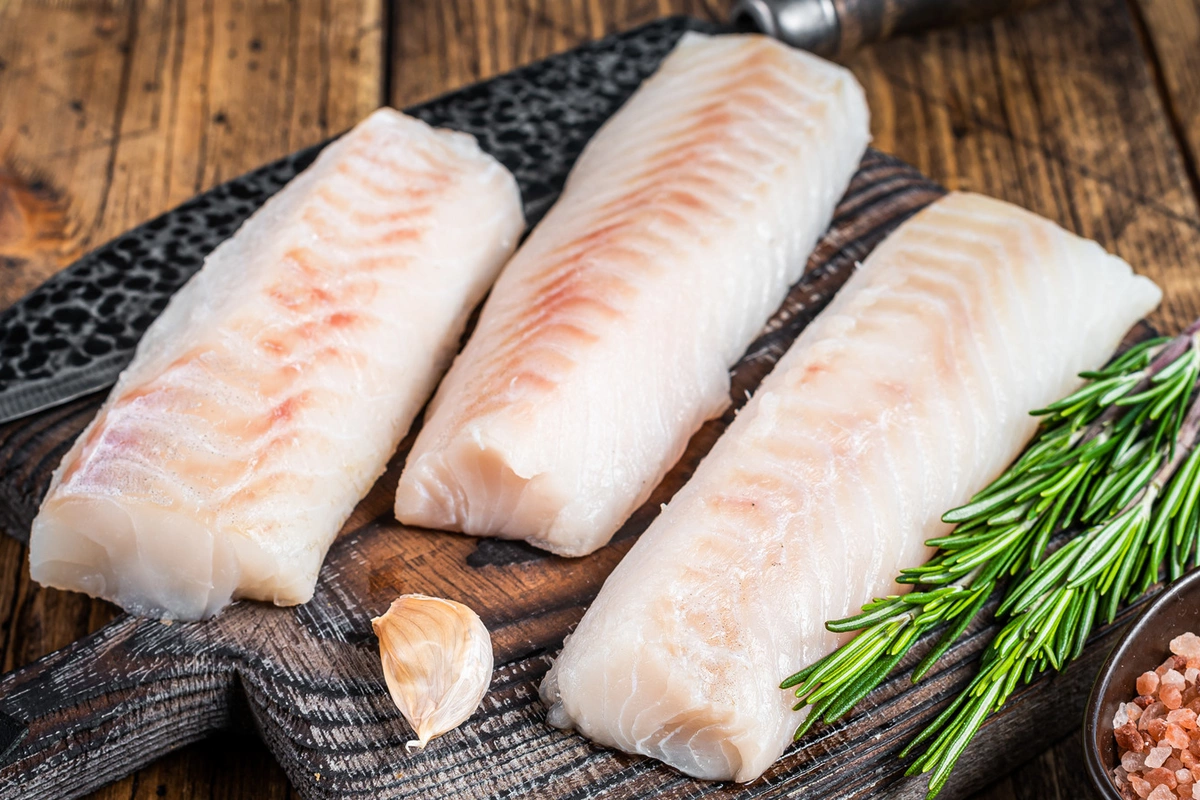
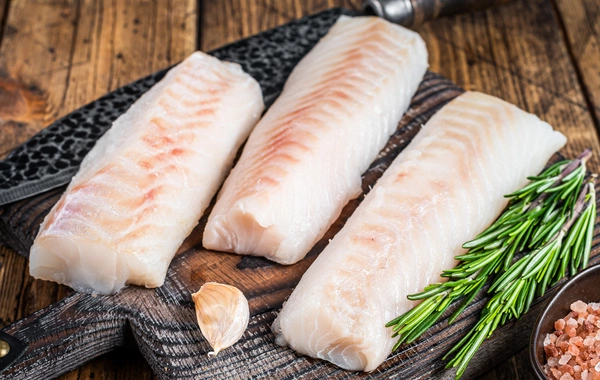
Large predatory fish, including tuna and swordfish, should not be consumed frequently by young children due to the risk of methylmercury accumulation. This warning was issued by doctors from the clinical nutrition department of one of the major hospitals in Guangdong Province in a conversation with the publication Sohu. The comment came after a report about a two-year-old child who was diagnosed with mercury poisoning after consuming "children's cod."
According to the publication, the parents had been regularly feeding the child a product made from processed Antarctic toothfish with factory labeling of "children's cod" for approximately eight months. The child ate it two to three times a week, consuming about 110 grams in total. On September 23, 2026, upon admission to the hospital, tests showed a blood mercury level of 27.87 µg/L, with the norm being less than 10 µg/L. The child was hospitalized for treatment.
The doctors noted that regular consumption of large deep-sea predatory fish can indeed lead to excessive intake of methylmercury. This organic compound is a potent neurotoxin; the substance easily penetrates the blood-brain and placental barriers, damaging the brain.
First and foremost, the specialists highlighted large fish that are high in the food chain, including tuna, swordfish, and certain species of cod.
"Methylmercury accumulates in the bodies of marine animals, and its concentration can be higher in large predators that feed on other fish. For young children, this issue is particularly important: their nervous systems are actively developing, making them more sensitive to the effects of this substance," the doctors said.
According to the medical professionals, the danger increases with regular consumption of the same type of fish over an extended period. Even though the body gradually eliminates methylmercury, constant intake of the substance can increase its overall burden on the body.
At the same time, an elevated mercury level in a child does not in itself prove that the consumed fish was the cause. To identify the source of exposure, all possible pathways of mercury intake and examination results must be considered.
The supplier of the product the child had been consuming stated that the mercury content in the fish complies with national standards. The doctors, meanwhile, recommend that parents not give up fish entirely but rather diversify the diet and more frequently choose species with low mercury content.

Similar News

Physical activity "erases" the consequences of childhood trauma from the brain, scientists have found
Scientists from Heidelberg University in Germany and their colleagues have shown that the consequences of childhood trauma are not "engraved" in the brain forev...