Azərbaycanca
 По-русски
 English

 About us
EU presented 22nd package of sanctions against Russia
Be the first to know
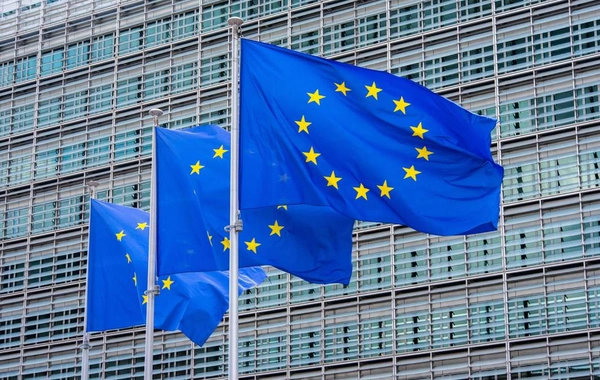
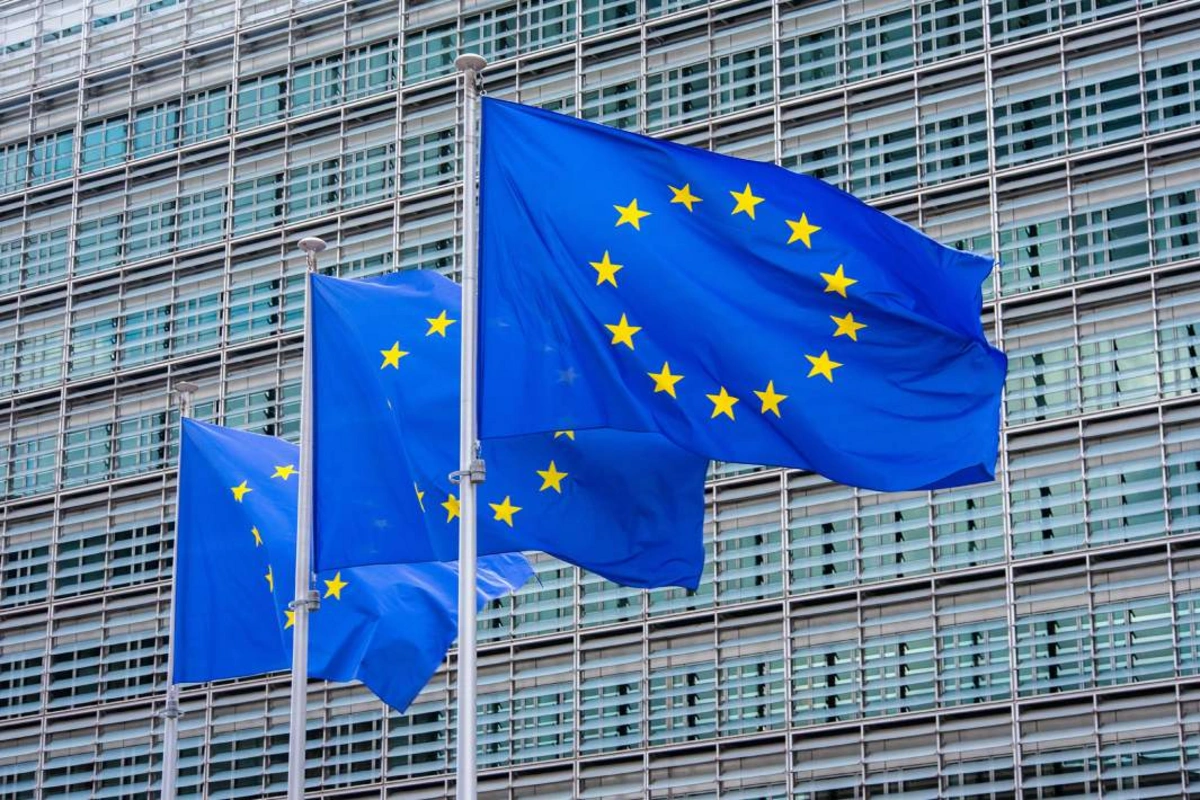
The European Union intends to intensify sanctions pressure on Russia, targeting its banking sector, cryptocurrency platforms, energy infrastructure, and the so-called shadow fleet.
This was stated by European Commission President Ursula von der Leyen, presenting the new 22nd sanctions package in a video address.
"We will continue to propose new sanctions until Russia demonstrates a genuine intention to achieve lasting peace in Ukraine," she said during the presentation of the main provisions of the EU's 22nd sanctions package.
According to her, the new package envisages intensifying pressure in three directions: restricting the sources of funding for Russia's military campaign, further isolating Russia, and tightening enforcement of the sanctions regime.
In the financial sector, the European Commission proposes extending the ban on transactions to approximately 60 more Russian banks, which will also be disconnected from the international SWIFT system. Restrictions will affect cryptocurrency and payment networks used by Russia to circumvent sanctions, including through third countries.
Von der Leyen noted that combating the use of cryptocurrencies to evade restrictions will be one of the key areas of the new package. To coordinate this work, the European Commission has established a special working group on cryptocurrency sanctions.
In the energy sector, the EU intends to expand the ban on providing services related to the construction, operation, and maintenance of Russian energy infrastructure, particularly oil refineries. For the first time, restrictions of this kind will also extend to services in the electricity sector.
In addition, the European Commission proposes adding more than 70 vessels of Russia's shadow fleet to the sanctions list and banning the servicing of tankers insured in Russia.
A separate area will be the further international isolation of Russia. The EU intends to close off its ability to participate in European sports and cultural events, as well as tighten visa rules.
In particular, the European Commission proposes introducing a ban on issuing visas to former Russian military personnel who took part in combat operations.
Von der Leyen explained this initiative by the growing activity of Russian agents in Europe, including actions involving unconventional methods and forceful means. According to her, restrictions on the entry of former Russian combatants are part of the EU's response to emerging security threats.
As part of the new package, it is also proposed to prohibit citizens of EU countries from holding positions in the governing bodies of Russian companies. According to von der Leyen, the European Union intends to eliminate the possibility of doing business with Russia as usual.
In the area of sports and culture, the EU proposes banning the participation of Russian teams and athletes in competitions on EU territory under the national flag, as well as the use of official state symbols. In addition, it is planned to restrict financial flows from sponsors in the Russian Federation to European sports and cultural organizations and to prohibit Russian citizens from holding leadership positions in European sports federations.
"Our position is clear: we give Ukraine the strength to achieve peace and give Russia every reason to choose this path," the head of the European Commission concluded.
Thus, the new package is aimed not only at further reducing Russia's financial and energy capabilities but also at limiting its presence in the European space.

Similar News

The US dollar is rising against major world currencies
The US Dollar Index on the London-based ICE exchange is showing growth and has surpassed 104 points for the first time since April 2, 2025. This is evidenced by...