


 Azərbaycanca
 По-русски
 English

 About us
Blood test that helps "predict" heart attack
Be the first to know
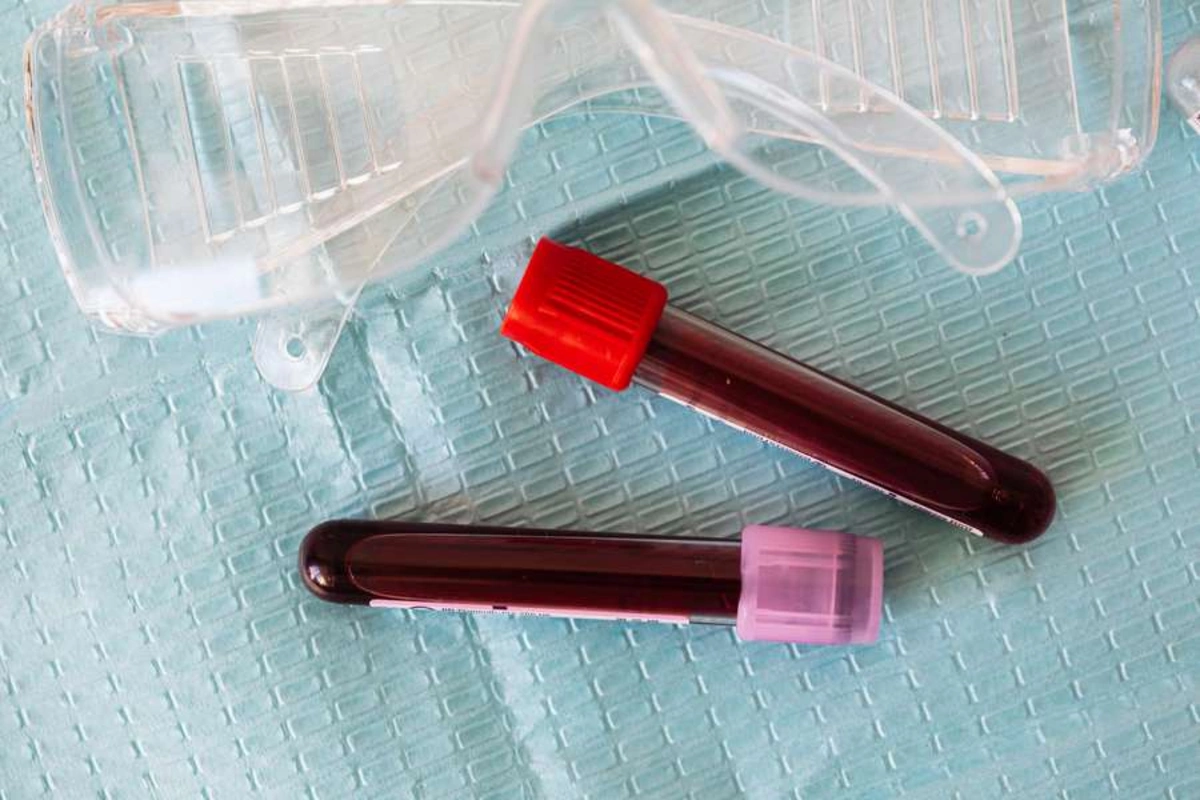
Elevated levels of C-reactive protein (CRP) in the blood may signal hidden inflammation, which can subsequently lead to a heart attack. This statement was made by renowned Spanish cardiologist Aurelio Rojas in an exclusive interview with Vanitatis.
According to information provided by the European specialist, a highly sensitive CRP test can detect even mild inflammation in the body. Such an inflammatory process can remain unnoticed for a long time, gradually damaging the walls of arteries. Of particular concern is the fact that this indicator may be elevated even with normal cholesterol levels.
As Dr. Rojas explained, C-reactive protein is produced by the liver in response to inflammation, infection, or tissue damage. The concentration of this protein in the blood can increase significantly within just a few hours after the onset of a pathological process. The expert emphasized the importance of considering the reference values of the specific laboratory when interpreting test results.
The Spanish cardiologist noted that C-reactive protein levels can be reduced without the use of medications - it is sufficient to change one's lifestyle. Among his recommendations: a balanced diet, normalization of sleep patterns and body weight, regular physical activity, and complete smoking cessation.
"Inflammation often has no obvious symptoms, but can pose a serious danger," warns the cardiologist. In concluding the interview, Dr. Rojas strongly recommended including C-reactive protein testing in regular medical examination programs.


Similar News

Exercise found to have the ability to "reprogram" the heart
Regular aerobic exercise changes not only how the heart works but also the structure of the nerve ganglia involved in its regulation. Moreover, the changes on t...