

 Azərbaycanca
  По-русски
  English
 About us
Climate Week in Baku: the world has moved from goals to the most painful question - who pays
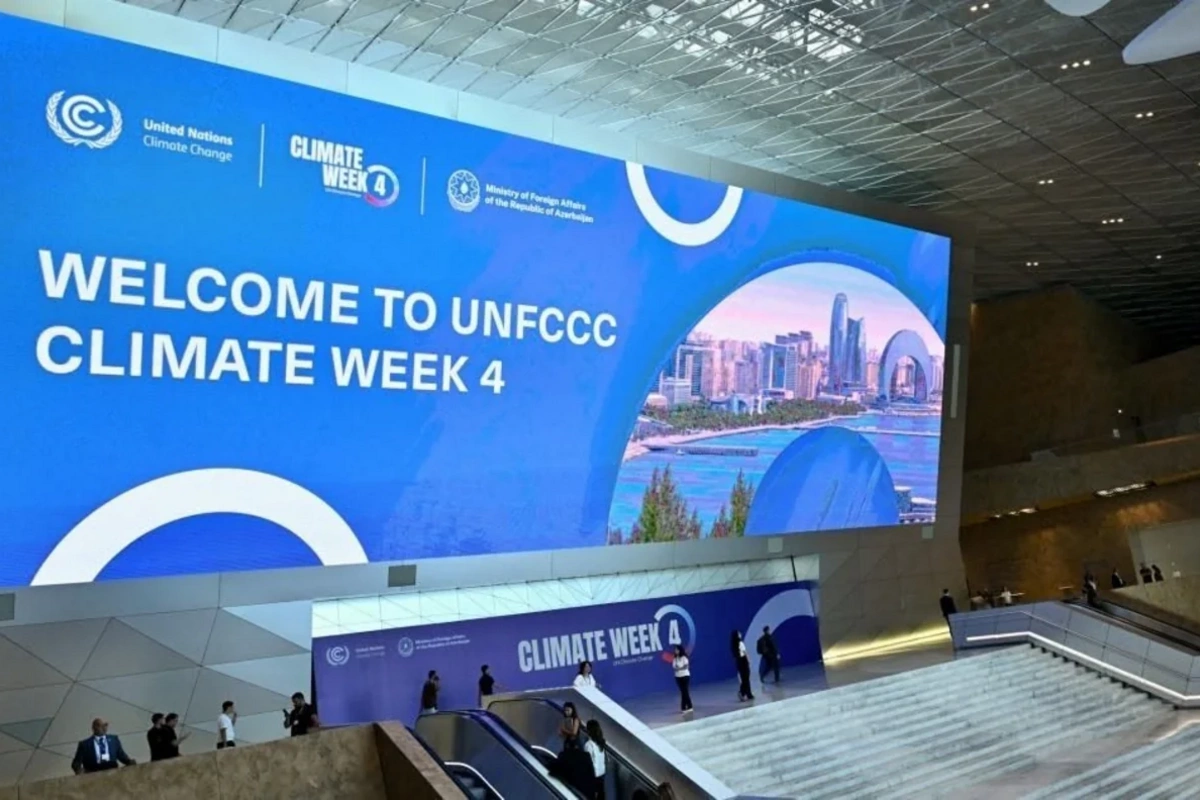
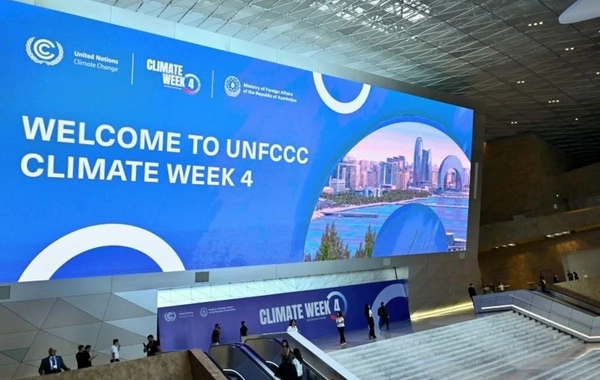
This week, Baku once again found itself at the center of international climate diplomacy. The Baku Climate Action Week this year was held jointly with the UN Framework Convention on Climate Change Climate Week and effectively became one of the main platforms between COP30 in Belém, Brazil, and the upcoming COP31 in Antalya, writes the newspaper "Caspiy."
Perhaps the most important aspect was that, unlike previous years when discussions mainly focused on setting objectives and searching for approaches to solving climate problems, this time in Baku the discussions already centered on specific mechanisms for financing climate goals.
In the ten years since the Paris Agreement, the world has accumulated an enormous number of climate commitments. However, it turned out that setting a goal is significantly easier than securing its financing, creating the necessary infrastructure, and making new technologies accessible to developing countries.
That is precisely why one of the central topics of discussion in Baku was money. A couple of years ago in Baku, at COP29, a target was agreed upon to bring climate financing for developing countries to at least $300 billion per year by 2035, and the total volume of mobilized funds to $1.3 trillion annually. Now the main question is where these funds should come from.
One of the main bets is being placed on private capital. Azerbaijan's Presidential Representative on Climate Issues Mukhtar Babayev noted that climate projects should become part of ordinary investment and banking decisions. However, a serious problem arises here. The same project can be quite attractive in a developed country and practically inaccessible in a developing one due to expensive loans, currency risks, and the absence of sufficient guarantees.
Therefore, during the events, broader use of state guarantees, concessional loans, blended finance, and resources from international development banks was discussed. Their task is to reduce risks enough so that private capital flows into climate projects.
But market capabilities have their limits. An investor willingly finances a solar power plant if it generates income. It is much harder to attract private money for protecting a city from heat, building water infrastructure, or adapting agriculture to drought.
The scale of the problem is particularly evident in the case of adaptation. According to UNEP estimates, by 2035 developing

Similar News
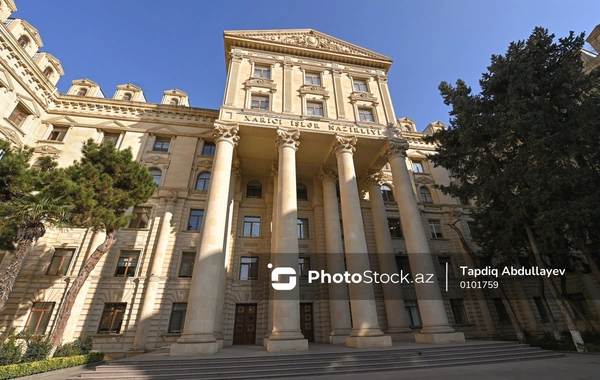
2,700 delegates from more than 140 countries took part in the UN Climate Week in Baku
Up to 2,700 delegates from more than 140 countries participated in the IV UN Climate Week in Baku. This was stated in a press release by the Azerbaijani Ministr...