Azərbaycanca
 По-русски
 English

 About us
Places of Memory of Western Azerbaijan: The History of the Village of Heydarli in Armenia, Where Azerbaijanis Lived Until the Late 1980s
Be the first to know
A unique project has been presented to the public - the research work "Places of Memory of Western Azerbaijan."
For the first time, during field research on the territory of modern-day Armenia, data on nearly 600 villages where the ancestors of modern Azerbaijanis originally lived have been collected and systematized. In some of them, fragments of Turkic cultural and historical heritage have been preserved - cemeteries, shrines, and mosques.
A separate video has been prepared for each village in three languages (English, Azerbaijani, Russian), containing photo and video footage of the specific village on the territory of modern-day Armenia, documented data on the number of Turks (ancestors of modern Azerbaijanis) who lived in the specific village in the 19th-20th centuries, as well as its history and the chronology of the gradual "disappearance" of the Turkic population as a result of expulsions and ethnic cleansings.
Western Azerbaijan is historically a geographical space where hundreds of thousands of Azerbaijanis lived. Despite attempts to erase the traces of our compatriots in these territories, remembering and being aware of the ancient places of residence of Azerbaijanis in Western Azerbaijan is the duty of each of us.
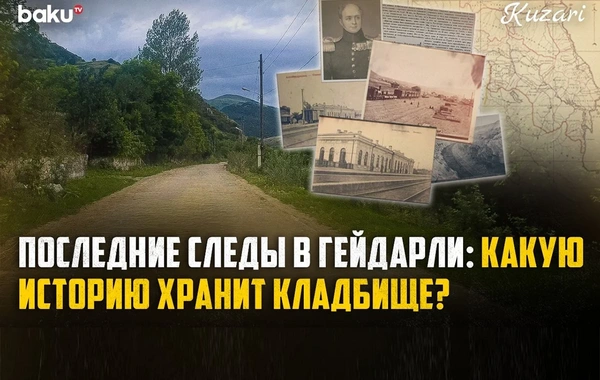
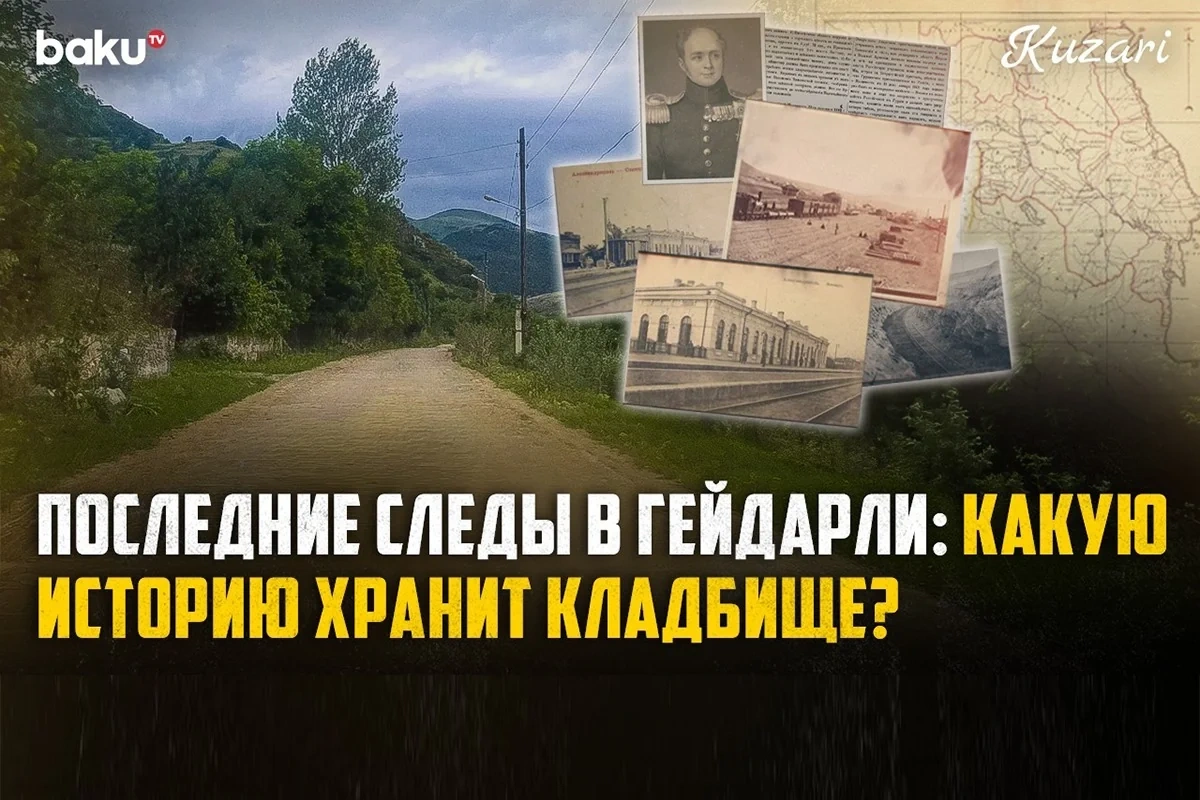
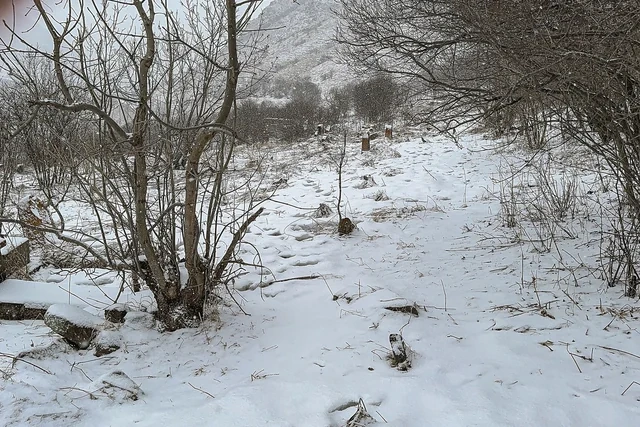
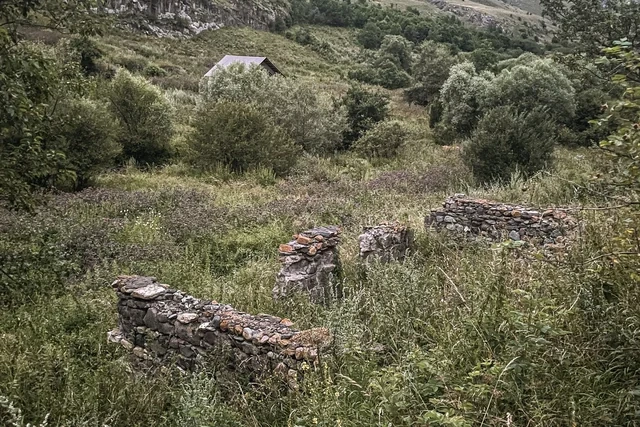
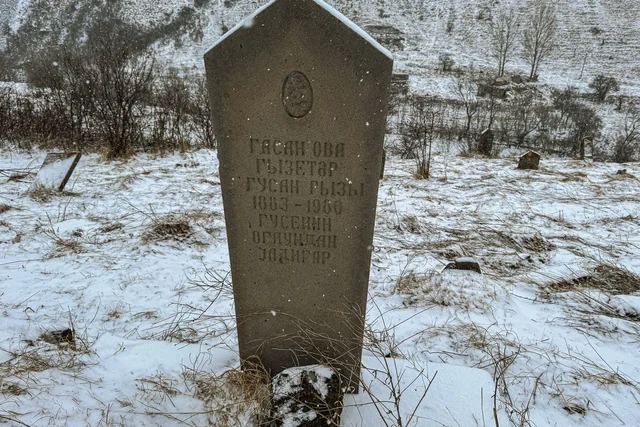
BAKU.WS with reference to Oxu.Az presents to its readers the following part of the series, dedicated to the village of Geydarli (now Tsakhkots) in Armenia, where Azerbaijanis lived until the late 1980s.
In the documents of the Russian Empire and other written sources of the 19th - first third of the 20th century, the ancestors of modern Azerbaijanis were designated by various terms: "Tatars," "Caucasian Tatars," "Turks," or "Muslims." In some sources used in the preparation of the project, the designations "Turks," "Turko-Tatars," "Islams," or "Muhammadans" are also found. Hereafter, for the period before 1920, the term "ancestors of Azerbaijanis" will be used conventionally, and for the subsequent period - "Azerbaijanis."
Names:
during the tsarist period - Khaydarli, Gaydarli, Geydarli, Gendarli;
during the Soviet period - Aydarli, Khaydarli.
For at least a century and a half, the village was called Geydarli. In September 2021, as part of the policy of Armenianization and destruction of Azerbaijani heritage in Armenia, the village was renamed Tsakhkots.
Since 1995, the village has been part of the Lori Province of the Republic of Armenia.
From the second half of the 18th century, the territory of the village was part of the Kartli-Kakheti Kingdom. In 1801, Alexander I, by his manifesto "To the Georgian People," definitively confirmed the annexation of the Kartli-Kakheti Kingdom: the Georgian monarchy was abolished, and Eastern Georgia was incorporated into the Russian Empire. During the period of tsarist Russia, the village was part of the Alexandropol Uyezd of the Erivan Governorate.
According to statistical data from the tsarist period, also cited in Armenian sources, at various times before 1908, exclusively or predominantly ancestors of Azerbaijanis lived in the village.
Korkotyan Z. The Population of Soviet Armenia over the Last Hundred Years (1831-1931):
In 1831, 26 people lived in the village, all - ancestors of Azerbaijanis.
Collection of Information about the Caucasus:
In 1873, 158 people lived in the village, all - ancestors of Azerbaijanis.
Compendium of Statistical Data on the Population of the Transcaucasian Region, Extracted from Household Lists of 1886:
In 1886, 175 people lived in the village, all - ancestors of Azerbaijanis.
Korkotyan Z. The Population of Soviet Armenia over the Last Hundred Years (1831-1931):
In 1897, 265 people lived in the village, all - ancestors of Azerbaijanis.
Caucasian Calendar for 1909:
In 1905, 257 people lived in the village, predominantly ancestors of Azerbaijanis.
Memorial Book of the Erivan Governorate for 1908:
In 1908, 357 people lived in the village, all - ancestors of Azerbaijanis.
The notable population growth of the village of Geydarli in the early 20th century may have been associated with the economic development of the region following the opening in 1899 of the Tiflis-Alexandropol railway line, which passed near the village.
On May 29, 1918, the government of the Azerbaijan Democratic Republic (ADR) ceded Erivan, now Yerevan, and some adjacent territories to the Armenians. Thus, the First Republic of Armenia was created on the land where the ancestors of modern Azerbaijanis had historically lived. Already in the first months of its existence, it began to make territorial claims against neighboring countries: Azerbaijan, Georgia, and Turkey (at that time the Ottoman Empire).
In 1918-1920, the nationalist Dashnaktsutyun party, which was in power in the Republic of Armenia, carried out ethnic cleansings of the Turkic population in the Erivan Governorate, as well as in other areas, especially in Zangezur, Karabakh, and Nakhchivan.
Geydarli was one of the few villages where available written sources contain no recorded evidence of mass killings of the Turkic population by Armenian armed formations.
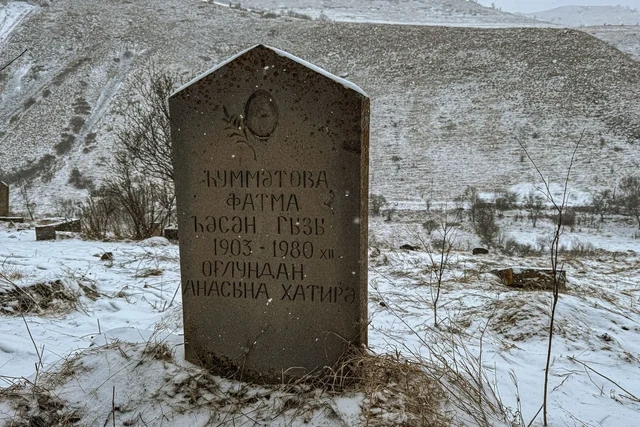
At the end of 1920, Soviet power was proclaimed in Armenia, and in 1921 the communist regime was definitively established in the country.
During the Soviet period, the village was part of the Karakilisa District, later renamed to Kirovakan, then to Spitak, and subsequently to the restored Gugark District.
According to Armenian sources, until the late 1980s, exclusively Azerbaijanis lived on the territory of the village.
Korkotyan Z. The Population of Soviet Armenia over the Last Hundred Years (1831-1931):
In 1922, 294 people lived in the village, all - Azerbaijanis.
In 1926, 325 people lived in the village, all -

Similar News

Hikmet Hajiyev: Partnership with NATO is based on shared interests and practical cooperation
Azerbaijan, as a reliable NATO partner, consistently contributes to international peace and security, including through participation in international peacekeep...