Azərbaycanca
 По-русски
 English

 About us
International Politics of Baku: From Energy to Strategic Partnership
Be the first to know
The intensification of visits by representatives of the EU, the US, and Georgia to Baku this year indicates Azerbaijan's transformation into a key geopolitical, logistics, and energy hub of Eurasia, writes the newspaper "Kaspi."
All of this is happening against the backdrop of the restructuring of global trade routes and the consolidation of the peace process in the South Caucasus.
Behind this diplomatic surge are several specific strategic factors, the most important of which is the development of the Middle Corridor and the new logistics architecture, which have become critically important for connecting Europe and Asia.
And while Brussels is actively integrating Azerbaijan's infrastructure into its Global Gateway strategy, Washington has consolidated the development of the Middle Corridor and TRIPP in the Charter on Strategic Partnership, signed in February this year during the visit of US Vice President JD Vance to Baku.
Strengthening Europe's Energy Security
At the same time, Azerbaijan's importance as a reliable energy supplier is growing.
This year, the number of European Union countries receiving Azerbaijani gas has reached 10, including Germany and Austria. The visits of European Commission President Ursula von der Leyen and European Council President António Costa are linked to the modernization of the Southern Gas Corridor and the transition to new agreements in the field of green energy.
Diplomatic activity also reflects the region's transition to post-conflict normalization following the Washington agreements between Baku and Yerevan.
Baku and Brussels have reached the final stage of negotiating new Partnership Priorities for 2026-2030 and an updated framework agreement. In addition, Western leaders are seeking to consolidate progress in the Armenian-Azerbaijani settlement, including on issues of opening regional transport communications.
Taken together, these visits demonstrate that external actors and closest neighbors view Azerbaijan not merely as a raw materials exporter, but as an independent center of power, without whose participation it is impossible to build a sustainable system of security and trade between Europe and Asia.
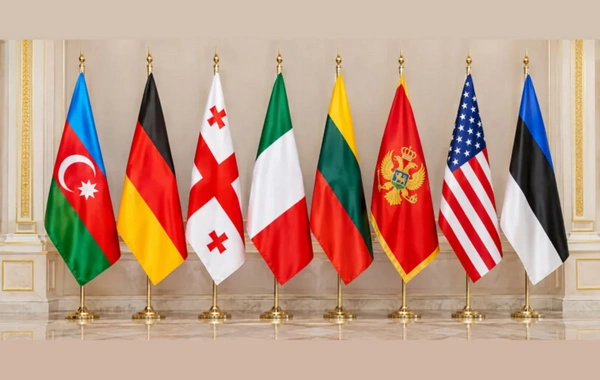
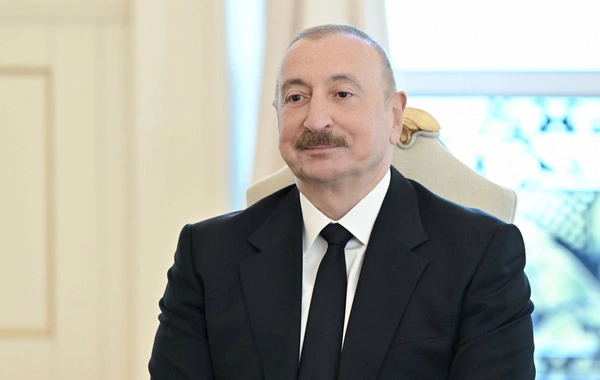
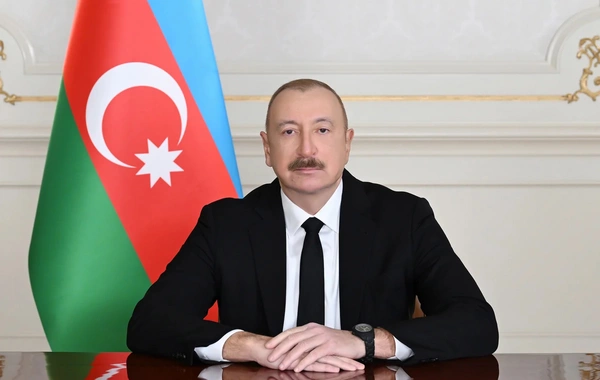
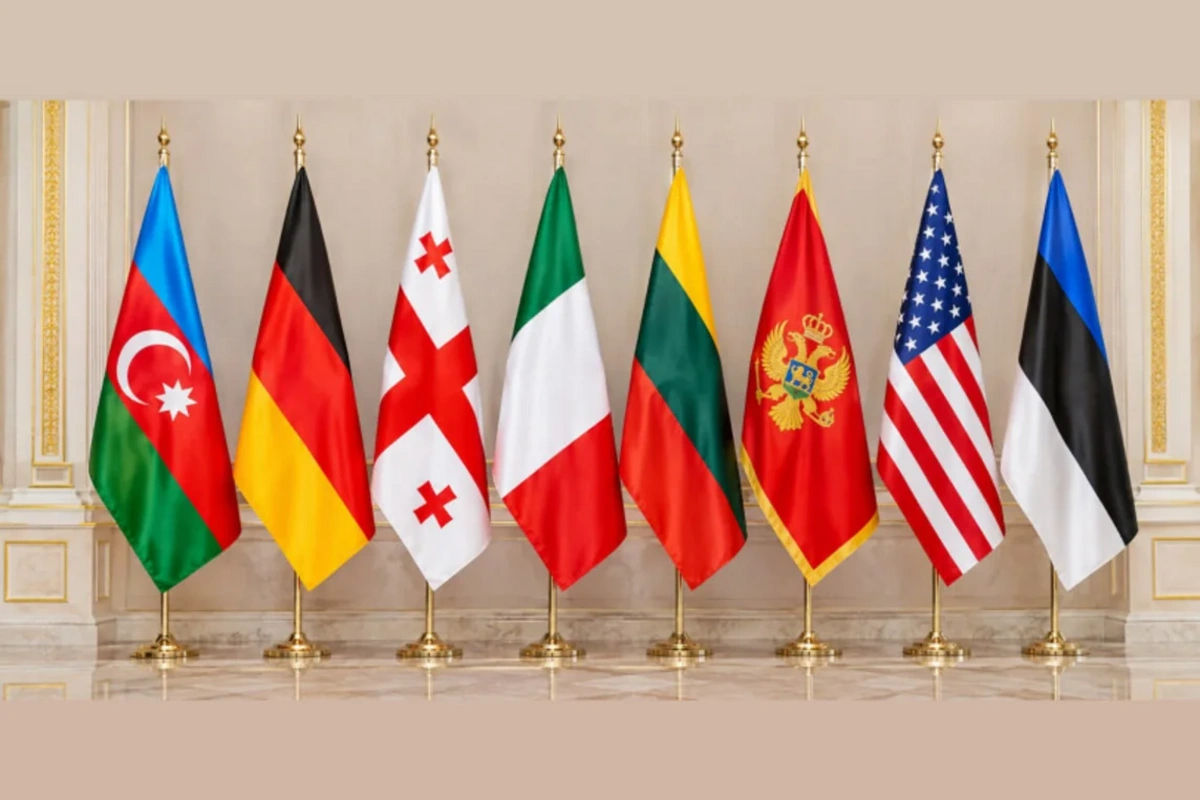
In this context, the meetings of President Ilham Aliyev with high-ranking representatives of Italy, Lithuania, Montenegro, and Germany attest to the expansion of Azerbaijan's ties with European countries and the strengthening of its international positions.
Just imagine that over nine days, from November 17 to 25, President Ilham Aliyev received the heads of foreign affairs departments of three European states and the prime minister of yet another country. Germany, Italy, Lithuania, Montenegro — states with different economic potential, political weight, and foreign policy priorities.
To this list, one can also add the November 27 visit of the Minister of Foreign Affairs of the Republic of Estonia, Margus Tsahkna, for the purpose of opening the Estonian Embassy in Baku, who was received by President of Azerbaijan Ilham Aliyev. During the conversation, issues of cooperation between Azerbaijan and Estonia in the fields of information technology, digital transformation, transport connectivity, and other areas were discussed, and it was emphasized that our country is increasing the number of new communication lines.
Italy — the Main Trading Partner
The visit to Baku on November 23 by Deputy Chairman of the Council of Ministers, Minister of Foreign Affairs and International Cooperation of Italy Antonio Tajani was a continuation of the intensive political dialogue between the two countries. During the meeting, President Ilham Aliyev recalled the visit to Azerbaijan this year by Italian Prime Minister Giorgia Meloni and meetings with Italian President Sergio Mattarella.
Azerbaijani-Italian relations are interesting primarily for the economic model that has developed over years of cooperation. Italy remains Azerbaijan's main trading partner in the energy sector. At the same time, our country is now present on the Italian market also as an investor possessing oil refining assets and a network of gas stations. Azerbaijan gains the opportunity to participate in oil refining and the sale of petroleum products directly on the European market.
Simultaneously, the presence of Italian business in Azerbaijan is expanding. Educational cooperation and political issues were also discussed during the negotiations. Antonio Tajani noted Azerbaijan's significance for regional stability and expressed Rome's readiness to facilitate the development of our country's cooperation with the European Union and NATO.
The Baltic Direction
A similar approach can be observed in relations with Lithuania. The main outcome of the visit to Baku by this country's Minister of Foreign Affairs Kęstutis Budrys was the signing on November 25 of a Joint Declaration on Strategic Partnership.
The document acquires particular significance in connection with Lithuania's upcoming presidency of the Council of the European Union, which will begin on January 1, 2027. Vilnius intends to facilitate the rapprochement between Baku and Brussels, advocates for updating the contractual framework of Azerbaijan's relations with the EU, and is ready to support the simplification of the visa regime.
Lithuania is also interested in the development of the Middle Corridor. For the Baltic state, which possesses its own port and railway infrastructure, the development of trans-Caspian transportation opens commercial prospects through the expansion of transport links between Central Asia, the South Caucasus, and Northern Europe.
From Germany to the Balkans
In the previous issue of "Kaspi," we reported on the visit to Baku of Germany's Minister of Foreign Affairs Johann David Wadephul. The negotiations on November 17 were a continuation of the July agreements reached in Berlin by President Ilham Aliyev and Chancellor Friedrich Merz.
This year, Germany began receiving Azerbaijani gas. However, for the largest economy in the European Union, cooperation with Azerbaijan is also of interest from the standpoint of industrial cooperation, investments, and the organization of freight transportation between Europe and Asia.
The geography of European contacts was complemented by the visit to Baku on November 24 of Prime Minister of Montenegro Milojko Spajić. In relations with this Balkan country, experience in investment cooperation has already been accumulated, and there are opportunities for expanding trade, tourism, and humanitarian ties.
The content of the November negotiations indicates that European states are increasingly taking into account Azerbaijan's capabilities when addressing tasks of economic development, ensuring energy security, and expanding trade with Asia. And the more long-term European projects are linked to Azerbaijan, the more significant Baku's positions in international politics will be.
Similar News
Ilham Aliyev awarded Ali Asadov the "Sharaf" order
President of Azerbaijan Ilham Aliyev signed a decree awarding Ali Idayat oglu Asadov the "Sharaf" (Honor) order for outstanding contributions to the socio-econo...