Azərbaycanca
 По-русски
 English

 About us
Ancient Azerbaijani village of Goychi — a look at the history of Gunashli
Be the first to know
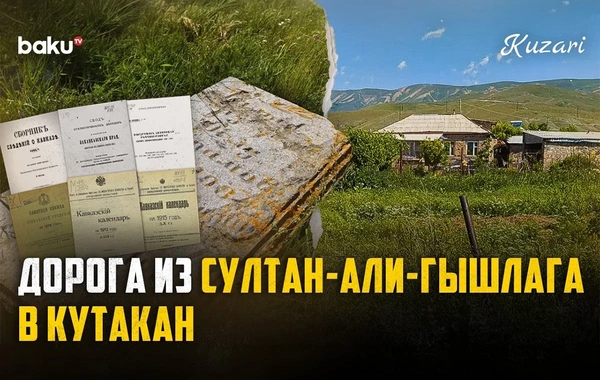
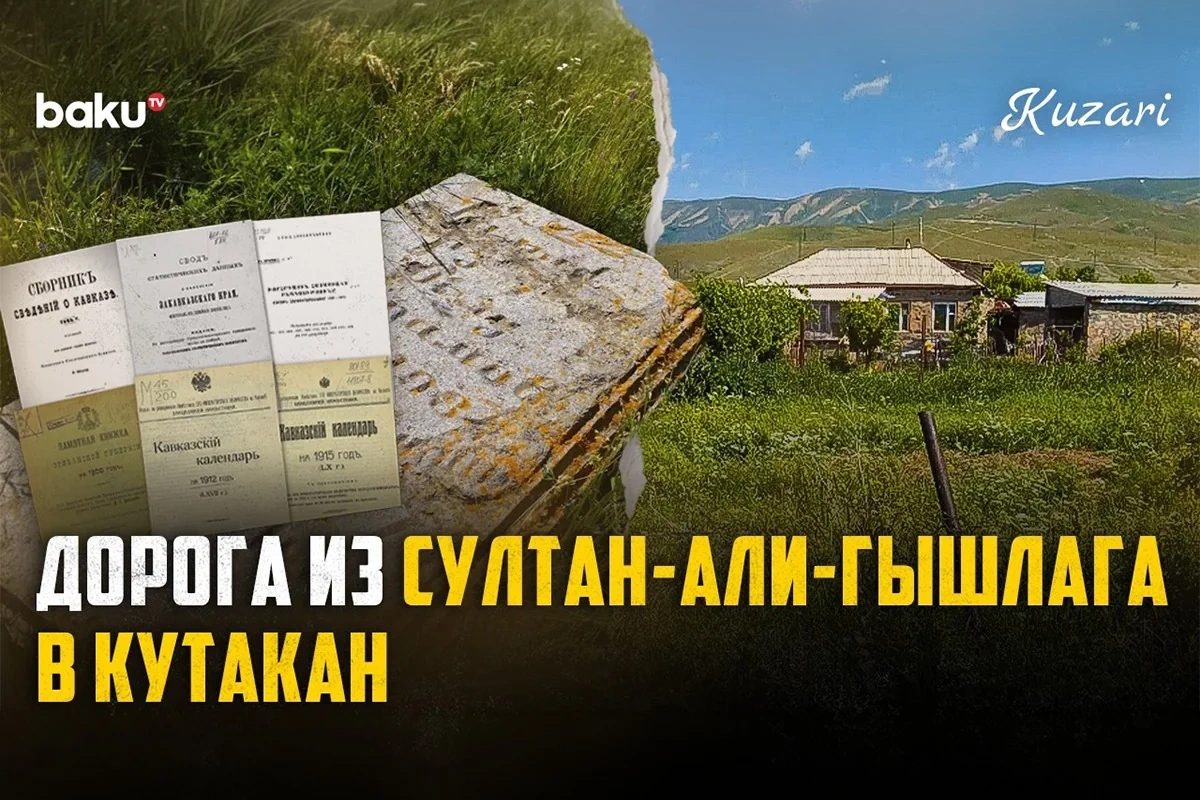
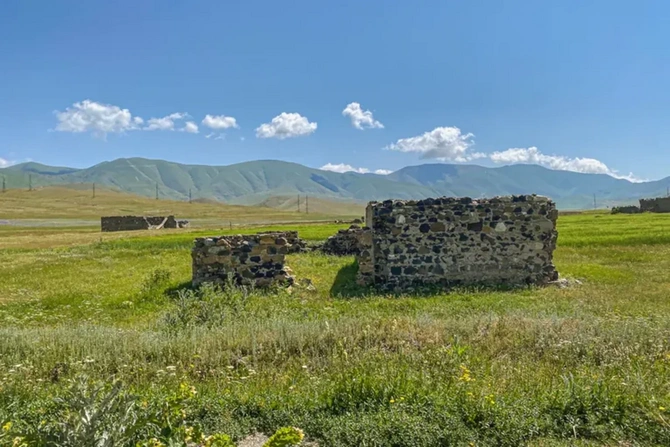
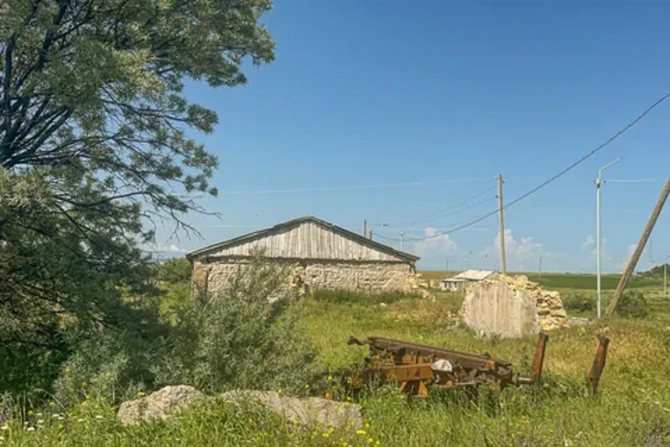
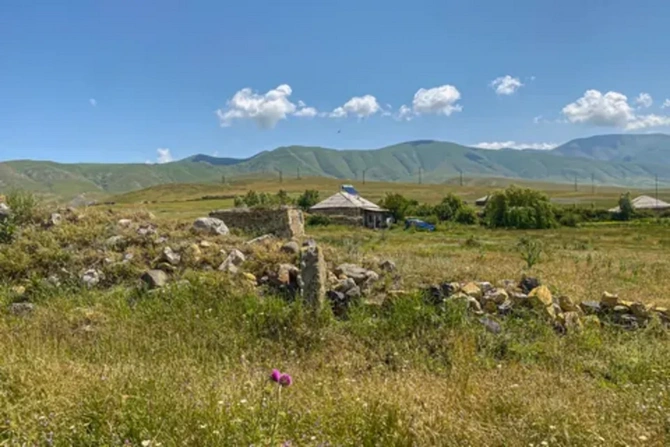
As part of the "Memorial Sites of Western Azerbaijan" project, a study has been prepared on the history of the village of Gunashli (historical names - Sultan-Ali-kyshlagy, Janakhmed), located on the territory of modern Armenia, where Azerbaijanis previously lived.
As reported by BAKU.WS, the village bore different names during the tsarist and Soviet periods: during the tsarist period - Sultan-Ali-kyshlagy, Sultan-Ali-kishlagy, Sultan-Ali-Kishlyag, Jan-Akhmedlu, Sultan-Ali, and during the Soviet period - Janakhmed and Gunashli.
Before the establishment of Soviet power in Armenia, the village was mentioned under two names - Sultan-Ali-kyshlagy and Janakhmedli. During the Soviet period, it began to appear in documents under the name Janakhmed, and in July 1968 it was renamed Gunashli. In April 1991, as part of the policy of Armenianization and destruction of Azerbaijani heritage in Armenia, the village was renamed Kutakan. Since 1995, it has been part of the Gegharkunik province of Armenia.
From the mid-18th century until the Russian conquest, the territory of the village was part of the Goycha magal of the Iravan Khanate. In 1827, Russia occupied the territory of the Iravan Khanate, and the Treaty of Turkmenchay of 1828 formalized its incorporation into the Russian Empire. During the tsarist Russian period, the village was part of the Novobayzet uezd of the Erivan Governorate.
In 1829–1832, a cameral survey of the territories of the former Iravan and Nakhchivan Khanates was compiled on behalf of the Russian authorities. According to the data provided in the document, the village was included in the list of devastated settlements, presumably damaged as a result of the Russo-Persian War. In sources from the second half of the 19th century, the village is again mentioned as a place of residence of Azerbaijanis.
According to tsarist-period statistical data, which are also referenced by Armenian sources, at various times before 1914, the village was inhabited exclusively or predominantly by Azerbaijanis. According to the "Collection of Information on the Caucasus," in 1873 there were 245 residents; according to the "Compendium of Statistical Data on the Population of the Transcaucasian Region, Extracted from Household Lists of 1886," in 1886 there were 348 people; according to the work of Z. Korkotyan "The Population of Soviet Armenia over the Last Hundred Years (1831–1931)," in 1897 there were 442 people; according to the "Memorial Book of the Erivan Governorate for 1908," in 1908, 422 Azerbaijanis were registered. According to the "Caucasian Calendar," in 1911 the village had a population of 440, and in 1914 - 523 people, predominantly ancestors of Azerbaijanis.
According to archival documents, in April 1919 the village was destroyed by Armenian forces, most of the residents were killed, and the rest were forced to leave the village. The consequences of the ethnic cleansing were also reflected in the 1922 Soviet Armenian census data: according to Z. Korkotyan's work, only 194 Azerbaijanis were registered in the village that year.
At the end of 1920, Soviet power was proclaimed in Armenia, and in 1921 the communist regime was definitively established in the country. During the Soviet period, the village was part of the Basargechar district, later renamed Vardenis.
According to Armenian sources, until the late 1980s, the territory of the village was inhabited exclusively by Azerbaijanis. According to Z. Korkotyan's data, 335 Azerbaijanis were registered in 1926, and 383 in 1931. According to the "Dictionary of Toponyms of Armenia and Adjacent Regions" by T.Kh. Hakobyan, St.T. Melik-Bakhshyan, and O.Kh. Barseghyan, in 1959 the village had a population of 337, in 1979 - 589, and in 1989 - 13 Azerbaijanis.
In the late 1980s, as a result of Armenian territorial claims to Karabakh and the deterioration of relations between the two republics, Azerbaijanis were permanently expelled from the territory of the Armenian SSR.
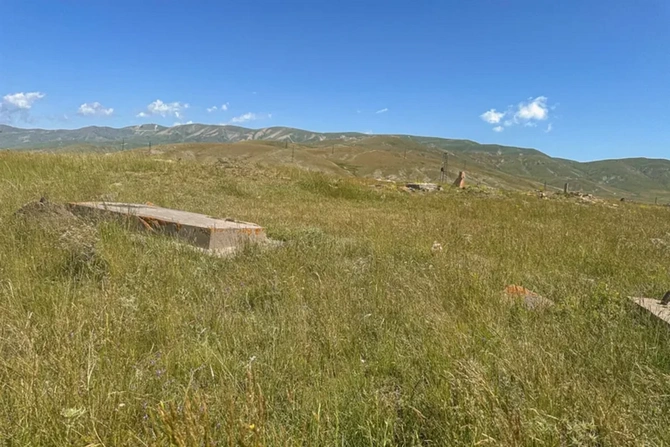
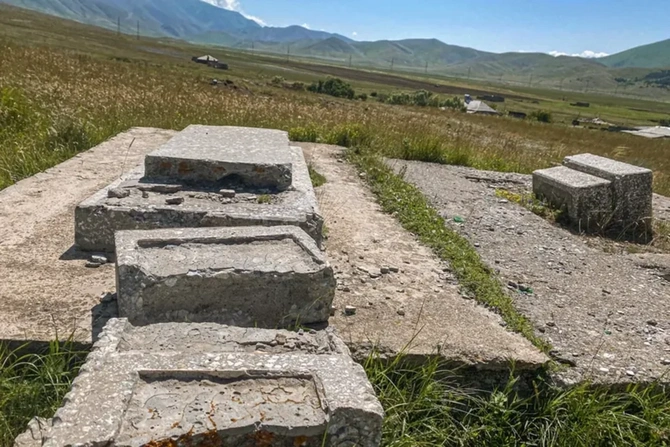
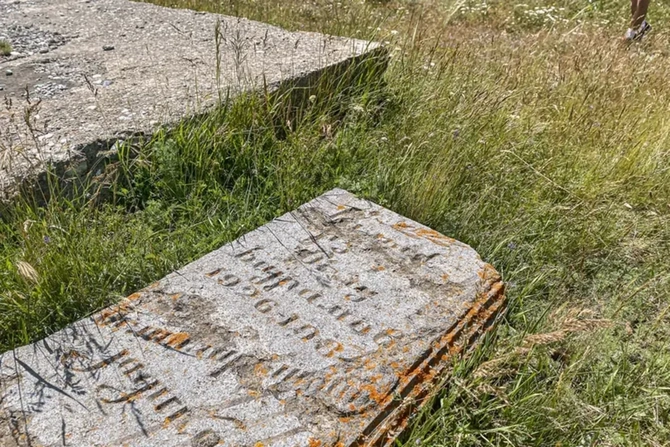
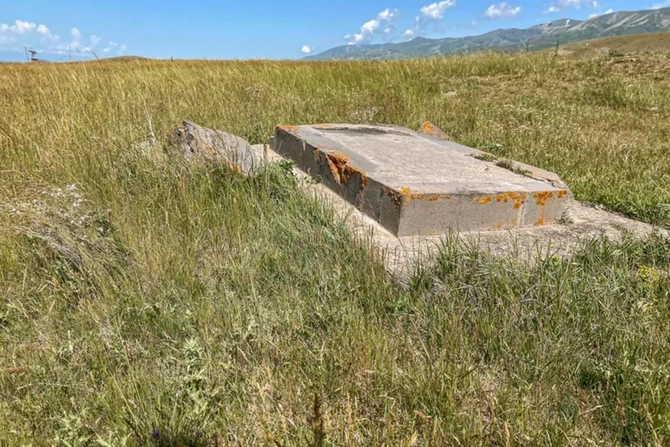
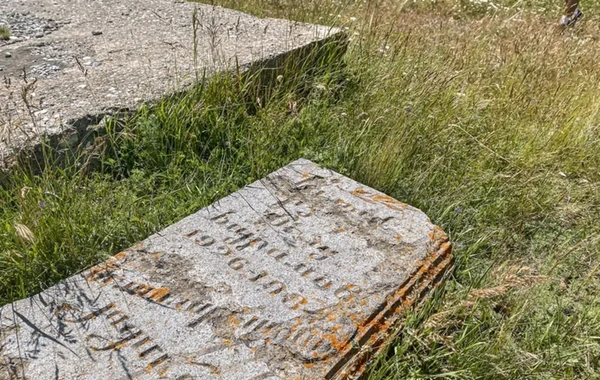
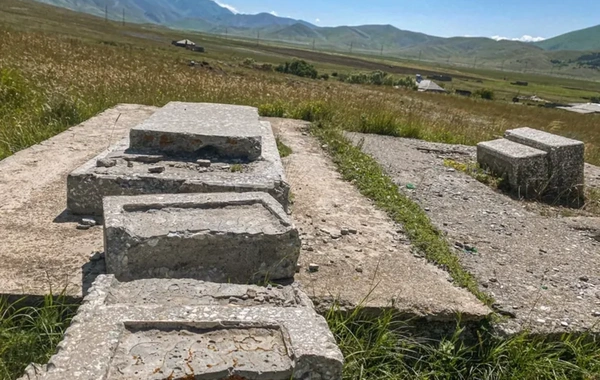
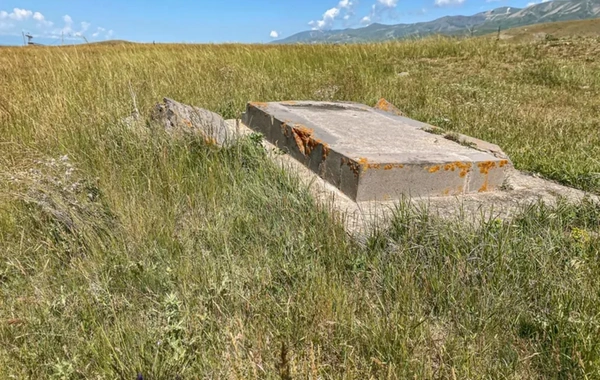
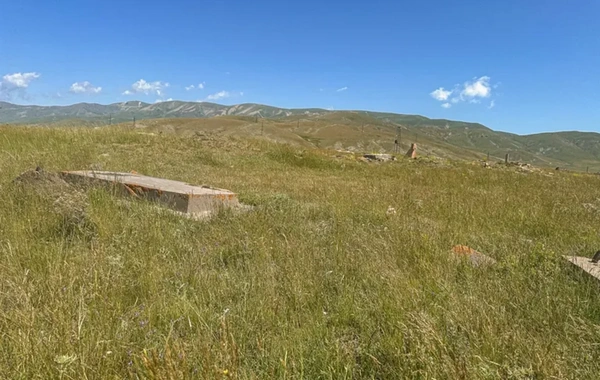
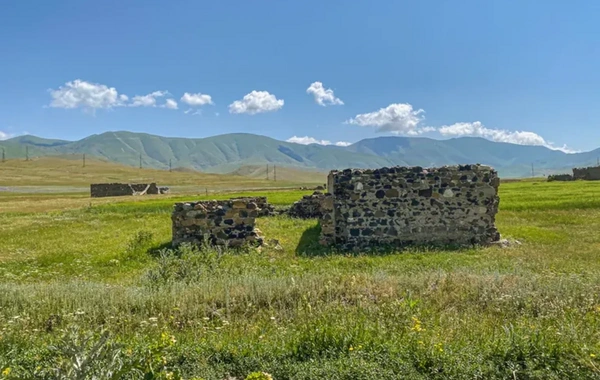
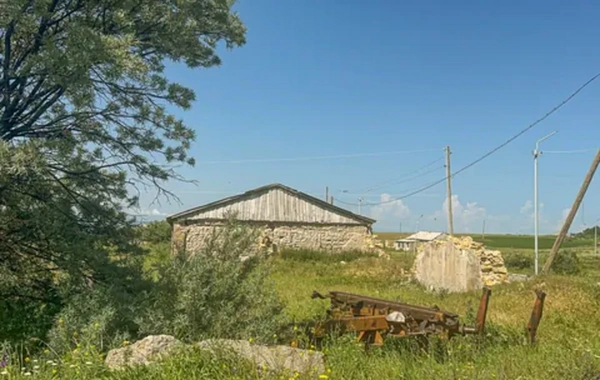
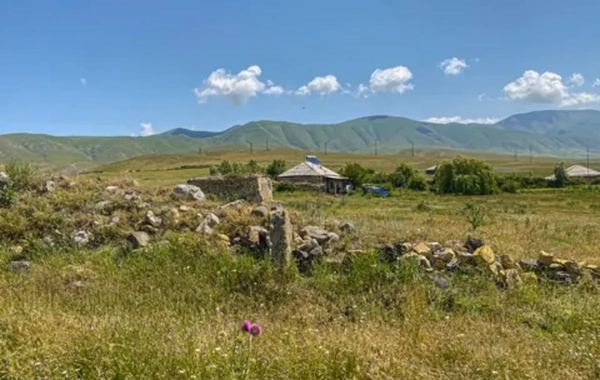
In 2021–2024, as part of the preparation of the book "The Vanished Civilization," extensive fieldwork was conducted on the territory of Armenia, including in remote mountainous areas, to identify and document Azerbaijani heritage. During this work, an Azerbaijani cemetery with several preserved tombstones was discovered in the village.
Gallery
Similar News
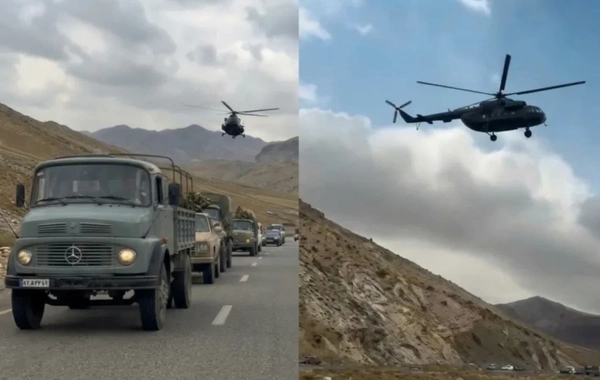
Is Iran concentrating military equipment on the border with Nakhchivan?
In recent days, video footage has been circulating on social media, particularly on the TikTok platform, with claims that Iran has concentrated heavy military e...