

 Azərbaycanca
  По-русски
  English
 About us
The Berlin Vector: How Azerbaijan and Germany Are Building a Strategic Partnership
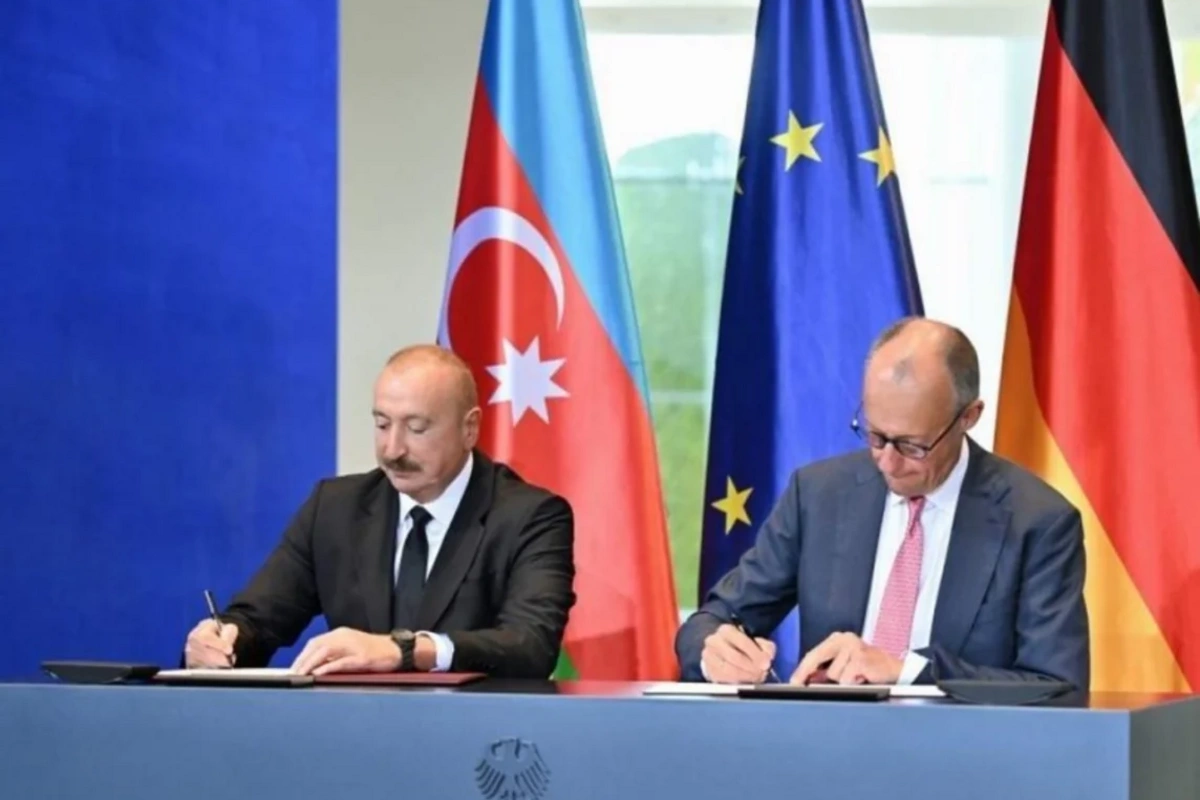
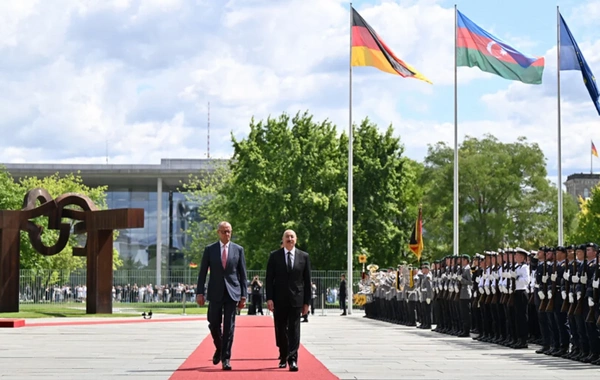
The official visit of the President of Azerbaijan to Germany marked a qualitative shift in relations between Baku and Berlin. Why is Germany strengthening its attention to the South Caucasus, and what role can public diplomacy play in this process?
A correspondent of the newspaper "Caspian" spoke with the chairman of the German-Azerbaijani Society, Professor Chingiz Abdullayev.
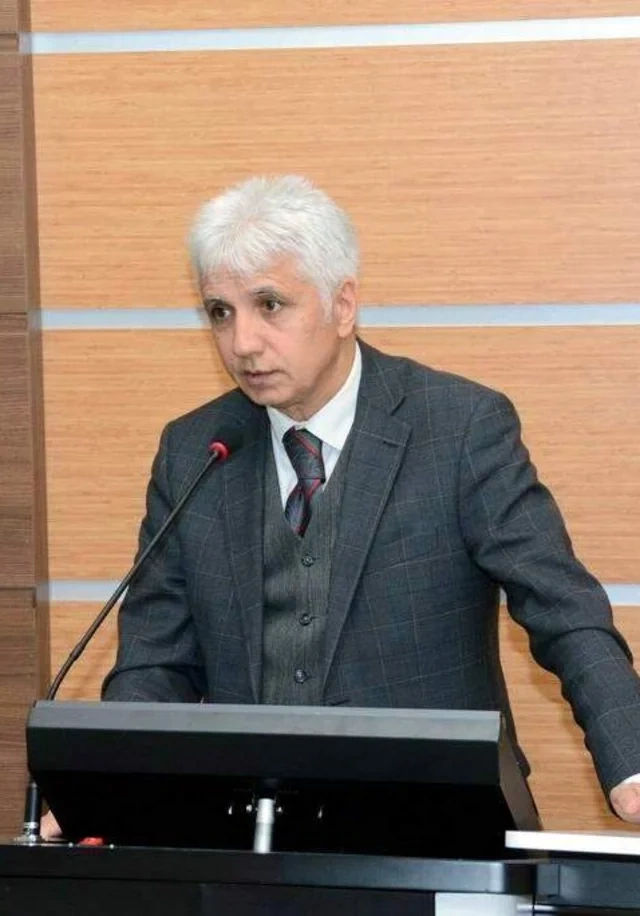
- Against the backdrop of President Ilham Aliyev's official visit to Berlin, can we speak of the beginning of a new political stage in Azerbaijani-German relations?
- Undoubtedly, this visit should be regarded as an important point of political consolidation of a new level of relations. In diplomacy, the moment when accumulated potential receives institutional formalization is of great significance. This is precisely what happened in Berlin.
The joint declaration on the strategic agenda of bilateral partnership creates a system of coordinates within which cooperation will develop consistently, substantively, and with consideration of the long-term interests of both sides. This concerns energy, industry, trade, transport connectivity, digital transformation, investment, science, education, and humanitarian contacts.
Relations between Azerbaijan and Germany have a solid historical foundation. However, the current stage requires a different scale of thinking. Germany remains the leading economic and political force of the European Union, while Azerbaijan has established itself as an independent regional center capable of influencing energy, transport, and political processes between Europe and Asia.
- How can cooperation with Germany extend beyond oil and natural gas supplies?
- Azerbaijan has already proven its reliability as an energy partner. Under conditions of a serious restructuring of the European energy market, this factor acquires particular value. The beginning of Azerbaijani gas supplies to Germany has political and economic significance, as it strengthens the diversification of European routes and energy supply sources. However, the prospects are considerably broader than the traditional hydrocarbon agenda. Germany has accumulated significant experience in energy transition, renewable sources, hydrogen technologies, energy efficiency improvement, and modernization of industrial systems. Azerbaijan, in turn, possesses substantial potential in solar and wind energy, including the capabilities of the Caspian Sea, Karabakh, and Eastern Zangezur.
Combining German technologies with Azerbaijan's resource, infrastructure, and investment potential can form a new direction of strategic partnership. This may include the production and transportation of green energy, the development of a hydrogen economy, the creation of modern energy networks, workforce training, and the localization of certain technological production facilities.
- Why is Azerbaijan becoming particularly important for the German economy?
- Germany is an export-oriented industrial power
Similar News
More than gas: Germany bets on Azerbaijan as a new power center of Eurasia
The official visit of President of Azerbaijan Ilham Aliyev to Germany became a landmark event not only in the context of bilateral relations, but on a much larg...